Updatetime:2026-07-16 12:09:26 View:
Your bed is your sanctuary, a place where you recharge after long, exhausting days. To ensure optimal comfort and relaxation, choosing the most comfortable bedding set is paramount. But with so many options available—ranging from fabrics to thread counts, designs, and finishes—it can be overwhelming to determine what constitutes ""the most comfortable bedding set"" for your unique preferences. This article delves into the various dimensions you need to consider while selecting bedding sets, providing actionable insights that cater to different sleeping habits, environmental factors, and comfort levels.
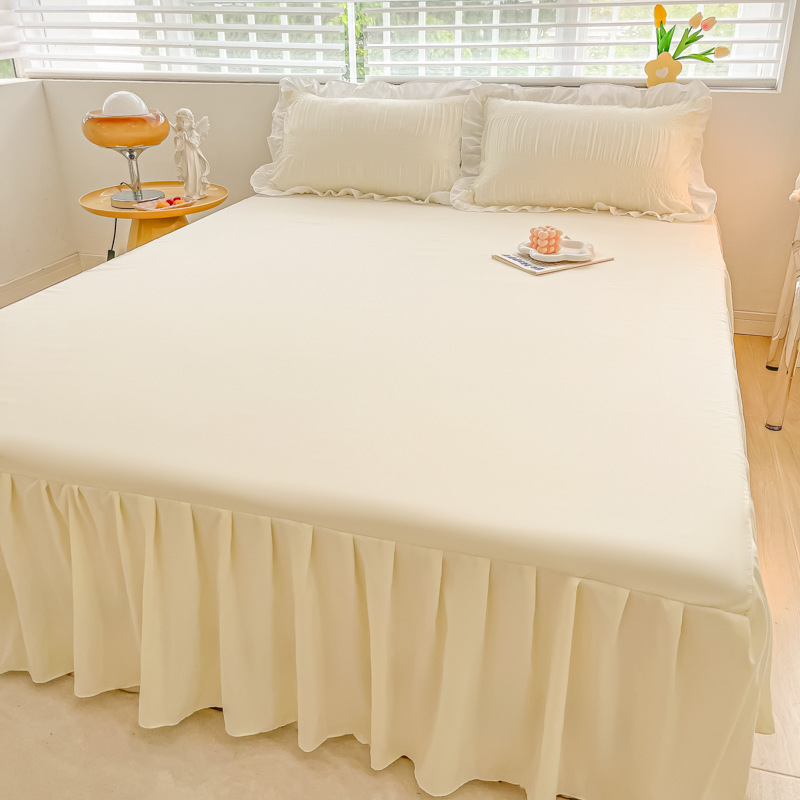
A comfortable bedding set is one that combines softness, temperature regulation, durability, and aesthetic appeal to create the perfect sleep environment. Factors such as personal preferences, allergies, climate, and even your mattress type play a role in determining what feels comfortable for you. Let’s explore the key components that affect bedding set comfort in detail.
The fabric of your bedding set has perhaps the most significant impact on your overall comfort. Here are some of the most common materials and their characteristics:
Thread count refers to the number of threads woven per square inch of a fabric. While many people believe higher thread counts mean better quality, this is not always the case. Bedding with thread counts between 200 and 400 often strikes the best balance between softness and durability. Extremely high thread counts can sometimes feel heavy or less breathable, which might compromise comfort.
The weave style significantly influences the feel and performance of a bedding set. Common weave styles include:
The right bedding set should complement your local climate and adapt to your body’s temperature regulation needs. sleepers who reside in warmer regions or experience night sweats can benefit from breathable fabrics like linen, bamboo, or percale cotton. If you live in colder areas or prefer a warm and cozy sleep environment, opt for heavier fabrics such as flannel or fleece materials.
A bedding set that doesn’t fit your mattress properly can cause discomfort. Before buying, measure your mattress dimensions (height, width, and depth) and compare them to the fitted sheet specifications. Bedding sets with deep pockets are ideal for thick or oversized mattresses. Proper fit enhances comfort, minimizes slipping, and ensures you won’t need to adjust your bedding frequently.
Begin by assessing your sleeping habits. Are you a hot sleeper who needs breathable material? Do you prefer super soft textures, or is durability more important to you? Your unique sleep needs will guide your choices.
If you are prone to allergies or have sensitive skin, choose hypoallergenic options like bamboo, silk, or organic cotton. These materials are resistant to dust mites and other allergens, promoting better sleep health.
If possible, touch and feel the bedding fabric before purchasing. Some materials, although they come highly recommended, might feel different to individuals—you’ll never know what works for you until you experience it.
Many bedding enthusiasts switch their bedding sets according to the seasons. For example:
The most comfortable bedding set won’t feel luxurious forever if it frays or fades quickly. Check product reviews and material descriptions to ensure your choice will withstand wear and laundering over time. Bedding with reinforced seams or shrink-resistant finishes can increase longevity.
Select bedding that aligns with your lifestyle and maintenance habits. For example, fabrics like microfiber and cotton are easy to wash and care for. On the other hand, silk and linen may require special laundering instructions, taking more effort to maintain their appearance and softness.
Beyond simply choosing a bedding set, layering is equally important when optimizing comfort. Here’s a breakdown of how to build the perfect bedding experience:
A mattress protector acts as your first line of defense, shielding your mattress from spills, stains, and allergens. Opt for a waterproof and breathable protector to enhance hygiene and mattress longevity.
This is the layer you will most likely be in contact with during sleep. As discussed earlier, the right choice in sheet material, thread count, and weave style are essential for comfort. Don’t forget to select fitted and top sheets that match your mattress size!
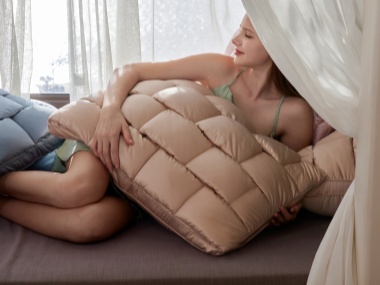
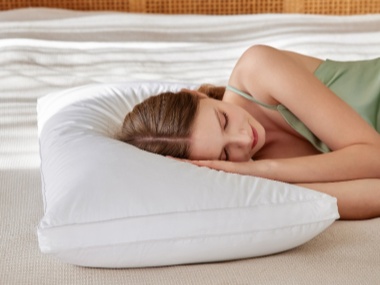
Your bedding’s comfort isn’t only about the sheets—it’s crucial to invest in supportive pillows tailored to your sleeping position. Choose breathable and soft pillowcases made from high-quality materials to protect your skin and hair while enhancing your sleep experience.
Whether you go for a quilt, duvet, or comforter, this layer determines how cozy and warm you’ll feel during the night. Look for hypoallergenic fillings like down, wool, or synthetic alternatives if you have sensitivities. Pair comforters with covers that complement seasonal needs and elevate aesthetics.
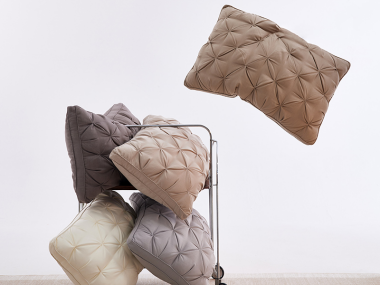
Throw blankets and decorative pillows can add a final layer of comfort and style, making your bed as visually appealing as it is functional.
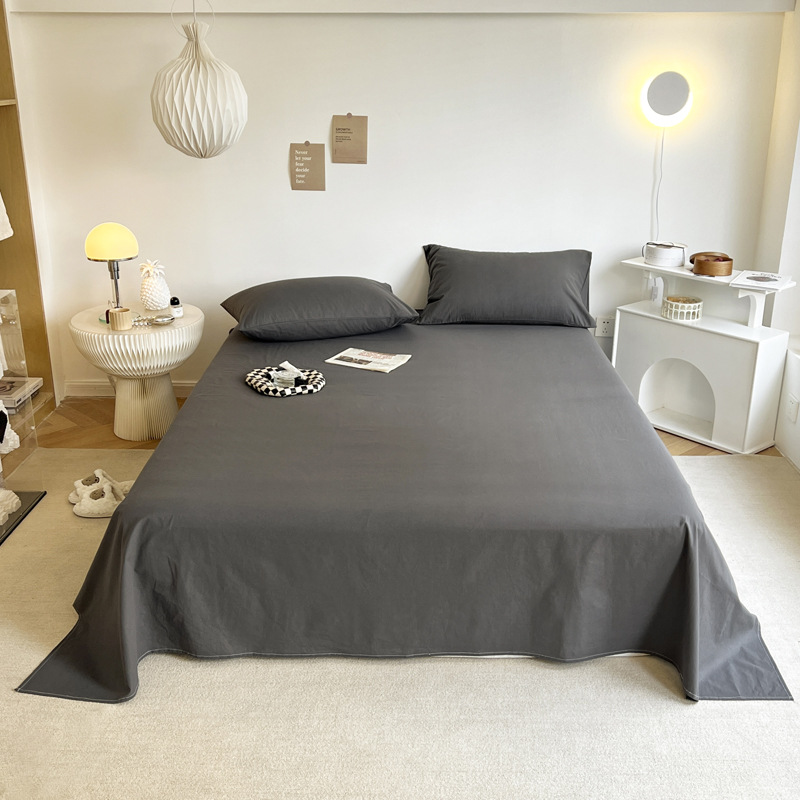
The most comfortable bedding set doesn’t follow a one-size-fits-all approach. It depends on individual preferences, sleeping habits, and environmental needs. Factors such as fabric composition, thread count, weave style, and temperature regulation play significant roles in influencing comfort levels. By carefully considering these aspects and investing in high-quality, well-designed bedding, you can achieve restful nights and rejuvenating sleep.
Ultimately, the best bedding choice for you will be one that prioritizes softness, durability, temperature control, and personal health—all while aligning with your lifestyle. Don’t hesitate to test different materials and explore layered bedding combinations to create your perfect sleep oasis. Sweet dreams await!