Updatetime:2026-07-16 12:07:32 View:
When it comes to choosing the perfect pillow, the decision often boils down to factors such as comfort, support, materials, and price. Two popular choices in the pillow market are down pillows and down alternative pillows. While both options are crafted to offer you a soft, luxurious sleeping experience, they differ in terms of materials, feel, longevity, and care requirements. In this article, we will explore the differences between down and down alternative pillows to help you make an informed decision for your home, lifestyle, and sleeping preferences.
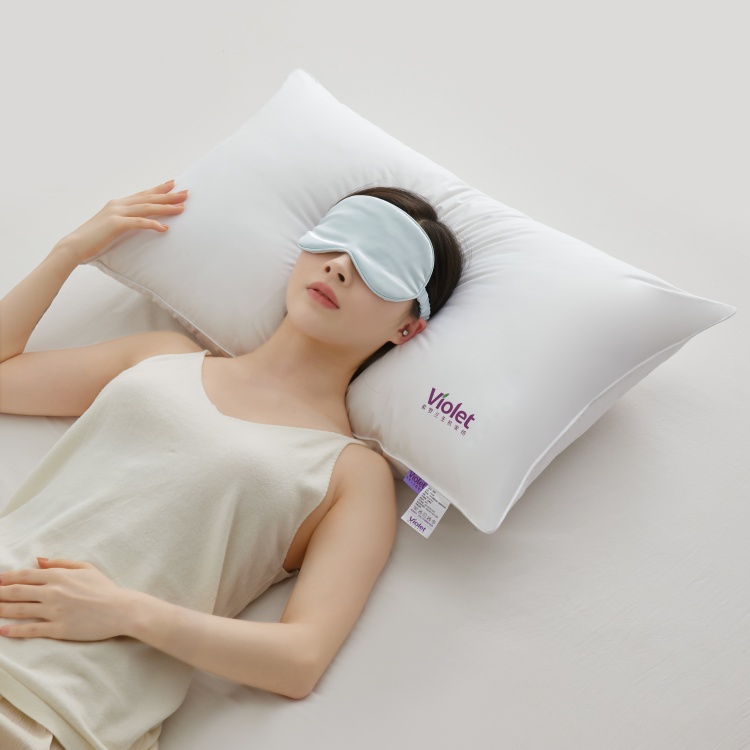
Down pillows are made from the soft, fluffy feathers underneath the outer plumage of ducks or geese. This down material is lightweight yet highly insulating, which makes it a popular choice for bedding products such as pillows and comforters. Down pillows are prized for their exceptional softness and cloud-like feel, which provides sleepers with incomparable comfort.
Down is a natural material with unique properties, which include:
Down alternative pillows, as their name suggests, mimic the qualities of down using synthetic or alternative materials. These pillows are made with synthetic fibers like polyester or natural options such as cotton, or other fillers that behave similarly to down. While they may not match the exact luxury of down, down alternative pillows are often chosen for their affordability and versatility.
Down alternative pillows feature several distinct characteristics, which include:
While both types of pillows provide excellent comfort, they differ significantly in multiple dimensions. Understanding these differences will help you decide which is the right choice for your specific needs.
Down pillows are made from natural goose or duck feathers, while down alternative pillows are typically made from synthetic fibers such as polyester. Additionally, some down alternative pillows may include natural fibers like cotton or bamboo. The choice of material greatly impacts the feel, durability, and eco-friendliness of the pillow.
Down pillows are often described as exceptionally soft, plush, and luxurious, offering a sinking feeling that cradles your head and neck. Down alternative pillows aim to replicate this feel, but they may not have the same authentic loft or pliability. However, many sleepers find the difference unnoticeable, especially in higher-quality down alternative options.
Down pillows tend to be softer and provide less structured support compared to down alternative pillows, which often come in firmer options. If you need a pillow that offers more neck and spine support, you may find down alternative pillows more suitable.
Down pillows are more durable than down alternatives and can last for a decade or longer with proper care. The natural down maintains its loft and structural integrity over time. On the other hand, down alternative pillows typically have a shorter lifespan–usually around two to five years–before requiring replacement.
Down pillows require more care, as they need special cleaning methods such as professional dry-cleaning or careful hand-washing to maintain their integrity. Down alternative pillows are much easier to clean, and many are machine-washable, making them a practical choice for busy households.
Down is a natural, biodegradable material, but concerns over animal welfare and ethical sourcing can deter some buyers. Down alternatives avoid this concern as they are synthetic or plant-based, but the production of synthetic materials can have a significant environmental impact due to the use of petroleum-based products.
Down pillows may trigger allergies in some individuals who are sensitive to feathers. Down alternative pillows, on the other hand, are hypoallergenic and ideal for those with allergies or asthma.
Down pillows are typically more expensive due to the labor-intensive process and sourcing of natural materials. Down alternative pillows are a cost-effective option, making them accessible to a larger audience.
When selecting between down and down alternative pillows, consider the following factors:
If you have feather allergies or sensitivities, a down alternative pillow is a safer option, as it is hypoallergenic and designed to prevent allergy flare-ups.
If you’re shopping on a budget, down alternative pillows provide excellent value for money without compromising comfort, making them ideal for cost-conscious buyers.
If ease of cleaning and maintenance is a top priority for you, down alternative pillows are the better choice since many of them are machine-washable.
If you’re looking for a more durable option and are willing to invest upfront, down pillows offer remarkable longevity and retain their plush properties over time with proper care.
Your sleeping style also plays a crucial role. Side sleepers might prefer the firmer support offered by down alternative pillows, whereas stomach sleepers may find the plushness of down pillows more comfortable.
A pillow’s lifespan and performance greatly depend on proper care and maintenance. Here are some care tips for both types of pillows:
Replace the pillow every two to five years when it no longer provides adequate support.
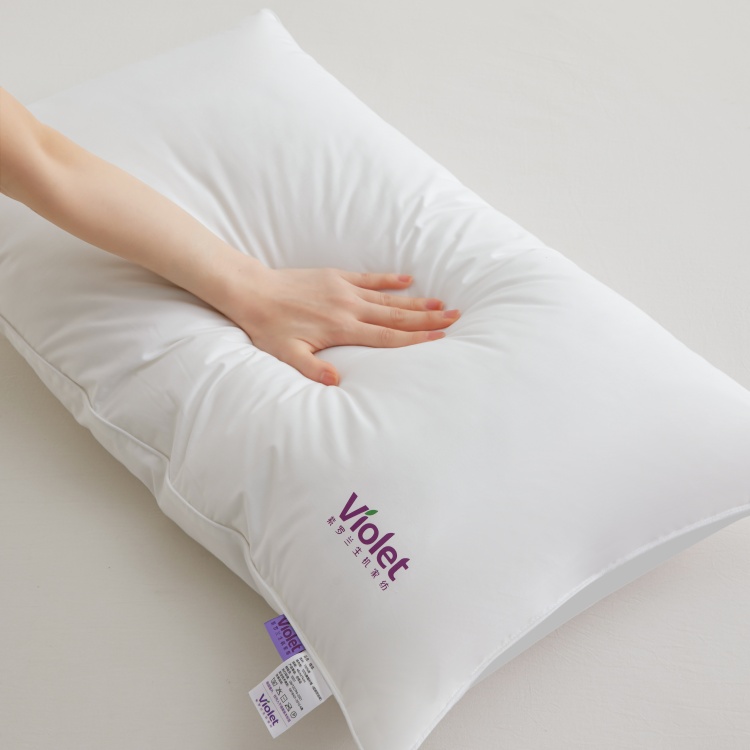
Choosing between down and down alternative pillows depends on your unique needs, preferences, and lifestyle. Down pillows offer unmatched luxury and durability, while down alternative pillows provide versatility, affordability, and hypoallergenic benefits. Consider factors like comfort, support, longevity, maintenance, and environmental impact before making your decision. Regardless of which option you choose, both types of pillows can provide a restful and rejuvenating sleeping experience if selected thoughtfully.
We hope this comprehensive comparison has helped you understand the differences and benefits of both types of pillows. Armed with this knowledge, you can make the right choice to enjoy better comfort and sleep quality for years to come.