Updatetime:2026-07-17 09:29:01 View:
Washing bed sheets may seem straightforward, but achieving the perfect balance between cleanliness, fabric care, and long-lasting freshness requires careful attention to wash settings. Bed sheets come in various fabrics, colors, and thread counts, and choosing the right wash setting is vital to ensure they remain hygienic and durable over time. This comprehensive guide will explore all aspects of washing bed sheets, offering practical advice to help you maintain their quality while meeting your needs.

Bed sheets are a cornerstone of comfort and hygiene in our homes. However, improper washing can lead to the deterioration of fabric, fading of colors, or even retention of allergens and bacteria. By using the correct wash settings, you can extend the life of your sheets, improve your sleep quality, and maintain a healthy sleeping environment. Choosing optimal settings also minimizes energy and water usage, contributing to sustainable practices.
Cotton is the most common fabric for bed sheets due to its softness, breathability, and durability. When washing cotton sheets, use warm water paired with a gentle cycle to balance thorough cleaning and care. Cotton can usually withstand higher temperatures without damage, which is useful for removing bacteria and allergens.
Linen sheets are made of natural fibers that require delicate handling. Wash linen on a cold gentle cycle to prevent shrinkage and maintain the fabric’s integrity. Using mild detergents can help protect its texture and color.
Silk sheets are luxurious but delicate. They require cold water and a gentle cycle to avoid damage. Always use specialized silk detergents to retain luster and softness, and avoid fabric softeners, as they can break down the fibers.
Microfiber sheets are synthetic and often more affordable. These sheets can generally be washed in warm or cold water using a regular cycle. Avoid high temperatures, as they may weaken the synthetic fibers over time.
Synthetic fabrics or blends, like polyester or bamboo, also require low to medium heat to prevent damage. Check the care label to ensure you select the correct cycle and detergent for these materials.
The normal cycle is suitable for durable fabrics such as cotton and microfiber. This setting ensures a thorough wash without excessive agitation, which is ideal for everyday sheets used by adults.
The delicate cycle uses slower spin speeds and less agitation, making it the best choice for fabrics like silk, linen, or high-thread-count sheets. It helps prevent stretching and pulling that can damage these textiles.
The heavy-duty cycle is designed for heavily soiled sheets or those exposed to allergens. However, use this setting sparingly, as the extra agitation might cause wear and tear on delicate fabrics over time.
Hot water is effective for sanitizing and removing germs, which is especially important for sheets that may come into contact with sweat or allergens. Use hot water for white or light-colored cotton sheets, but avoid it for delicate or brightly colored fabrics to prevent damage.
Warm water provides a balanced solution by eliminating dirt and bacteria while being less harsh on fabrics than hot water. It is ideal for cotton, synthetic blends, and microfiber sheets.
Cold water is gentler on fabrics, prevents color bleeding, and reduces the risk of shrinkage. It is the go-to choice for delicate materials like silk or linen. Cold water is also environmentally friendly, as it requires less energy consumption compared to hot water. For lightly soiled sheets, cold water can be sufficient when paired with a quality detergent.
The detergent you choose can significantly impact the cleanliness and longevity of your bed sheets. Here are some tips for selecting the right detergent:
To preserve fabric quality and avoid skin irritation, opt for mild or hypoallergenic detergents. This is particularly important if you have sensitive skin or allergies, as residual detergent on sheets can cause discomfort.
For silk or linen sheets, use detergents specifically formulated for delicate materials. These are gentler and help maintain the fabric’s pristine condition.
Using excessive detergent can leave residue on sheets, making them stiff and reducing absorbency. Carefully follow the detergent's instructions to measure the appropriate amount, based on the size of the load.
Accidents happen, and stains on bed sheets are not uncommon. Here’s how you can pre-treat stubborn stains for optimal results:
Apply a solution of mild detergent and water directly to the stained area. Rub gently with a clean cloth, ensuring the stain is treated before placing the sheets in the washing machine.
For organic stains like food or sweat, try mixing baking soda with water to create a paste. Apply it to the stain, let it sit for 30 minutes, and rinse thoroughly before washing.
While bleach may seem like an effective solution for stubborn stains, it can weaken fabric fibers and cause discoloration. Instead, explore safer alternatives such as oxygen-based stain removers.
Once your bed sheets are clean, selecting the right drying settings is equally crucial. Improper drying can result in shrinkage, damage, or wrinkles that reduce the aesthetic appeal and usability of your sheets.
Air drying is the gentlest method for drying bed sheets. Hang them on a clothesline outside to benefit from natural airflow and sunlight. This method is especially recommended for delicate fabrics like silk or linen.
For machine drying, choose a low heat or tumble dry setting to prevent damage and shrinkage. If you’re drying cotton or microfiber sheets, low heat ensures that the fibers stay intact and the sheets remain soft.
To minimize wrinkles, remove your bed sheets from the dryer as soon as the cycle completes. Fold them neatly or place them directly on the bed for a crisp, clean look.
For hygiene purposes, wash your bed sheets once every one to two weeks. If you live in a particularly hot climate or sweat heavily at night, consider washing them more frequently.
Avoid washing bed sheets with other laundry items to prevent tangling or contact with zippers, buttons, or hooks that could damage the fabric.
Having multiple sets of bed sheets allows you to rotate usage and washing. This reduces wear and tear on individual sets, prolonging their lifespan.
Store clean sheets in a cool, dry place to prevent exposure to moisture, which could result in mold or mildew growth. Use breathable storage bags for delicate fabrics.
Choosing the correct wash setting for bed sheets involves understanding the fabric type, selecting appropriate water and drying temperatures, and using the right detergent. Proper washing techniques enhance the durability, appearance, and hygiene of your sheets, ensuring they remain fresh and comfortable for years to come. From cotton to linen and silk to microfiber, each material has unique care requirements that must be taken into account. Follow these guidelines to enjoy clean, soft bed sheets that promote restful sleep night after night.
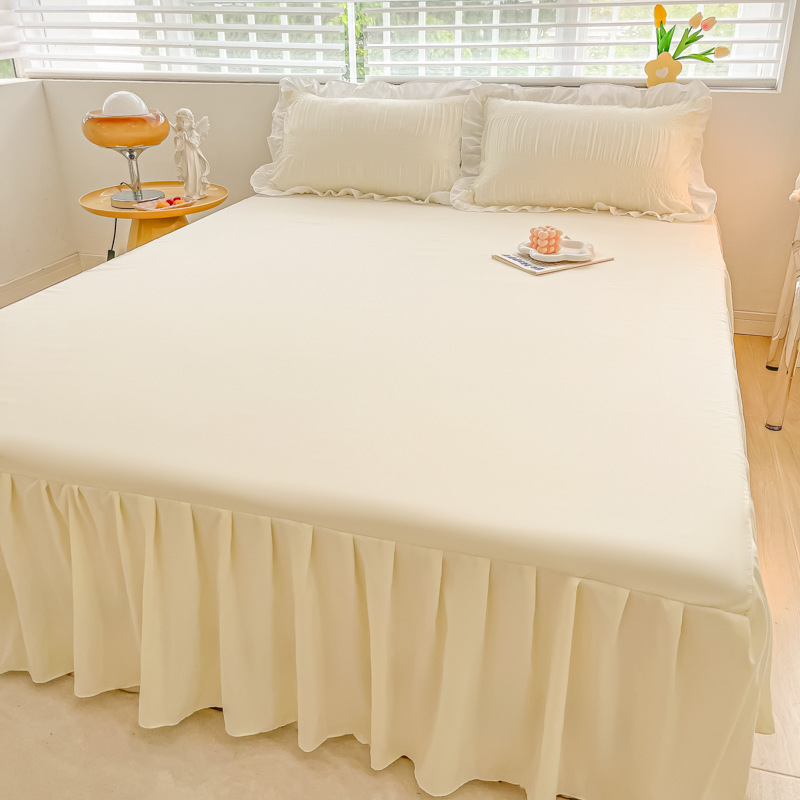
Washing bed sheets is an essential chore, but it doesn’t have to be a complex one. By optimizing your wash settings based on fabric type, water temperature, machine cycle, and drying method, you can protect your investment while promoting healthy living. Incorporate these expert tips into your laundry routine, and you’ll experience the joy of slipping into pristine sheets every time you lay down to rest.