Updatetime:2026-07-17 09:25:42 View:
Maintaining cleanliness and hygiene in our homes starts with caring for essential items like bed sheets. As these textiles come into direct contact with our bodies every day, washing them correctly is crucial to avoiding allergens, bacteria, and ensuring long-lasting durability. But what setting should you wash bed sheets on? This guide dives deep into the specifics and best practices to help you create a flawless routine that suits your needs.
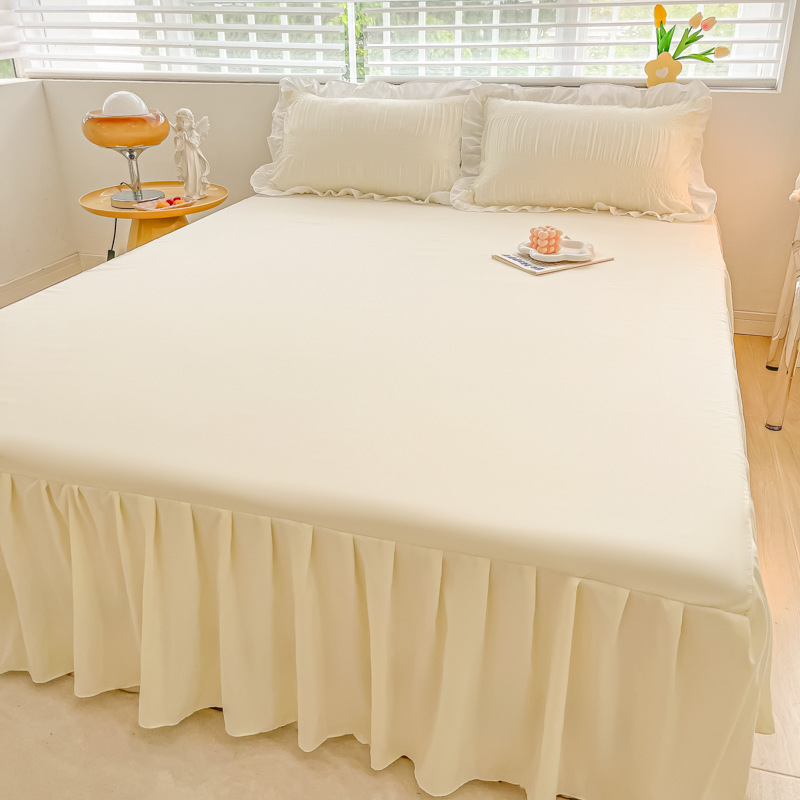
Many overlook the importance of properly washing bed sheets, assuming it is just about removing visible dirt. However, bed sheets accumulate sweat, skin cells, dust mites, and oils, breeding bacteria and fostering allergens over time. Incorrect washing can compromise their cleanliness, impact their durability, and even lead to health issues such as skin irritation or allergies.
When it comes to washing bed sheets, choosing the correct setting requires consideration of factors such as fabric type, color, and degree of soiling. Here are the main wash settings to consider:
Water temperature plays a critical role in effective cleaning. The warmth or coolness of the water you choose directly influences the washing outcome. Here’s a breakdown:
When unsure, default to warm water as it strikes the most balanced approach for cleanliness without compromising fabric integrity.
Modern washing machines come with various cycle options, and understanding which to choose can make a significant difference. Common wash cycles include:
While selecting the cycle, consider the material and frequency of use for optimal results.
Spin speed determines how much water is removed during the washing process. This impacts drying efficiency:
Opt for a moderate spin speed when unsure, to maintain an ideal balance.
Beyond selecting settings, adopting the right washing techniques ensures cleanliness without compromising your sheets’ texture or quality.
Before placing bed sheets in the washer, inspect them for stains. Spot-treatment can be done using mild detergents, baking soda, or stain removers. Gently rub the affected area and let it sit for a few minutes before washing.
Overloading your washing machine prevents proper circulation of water and detergent, leading to uneven washing results. Limit your load to a maximum of one or two sets of sheets per wash.
Detergents go beyond cleaning and impact the feel and longevity of sheets. Opt for gentle or hypoallergenic detergents, especially for those with sensitive skin or allergies. Additionally, avoid overuse to prevent detergent residue accumulation.
While tempting, bleach and fabric softeners can weaken fabric fibers, causing discoloration and reducing lifespan. Use them sparingly if necessary, or opt for natural alternatives like white vinegar.
Separate sheets by color to prevent bleeding stains or unwanted color changes. Whites should always be washed separately, while light and dark colors can be grouped together.
Never overlook the drying process, as improper drying can compromise comfort and cleanliness.
How often should you wash bed sheets? This varies based on factors like your lifestyle, health, and environment. Frequent washing ensures hygiene without overburdening your schedule.
Different materials require specific care to avoid damage. Let’s unpack how to wash common bed sheet fabrics:
Handle cotton sheets with warm water and regular cycles for optimal results. Avoid bleach to prevent discoloration, and dry them on medium heat.
Silk and satin require cold water with a gentle cycle to prevent fabric damage. Air drying is the preferred method for these luxurious materials.
Linen is durable but prone to shrinkage. Wash in warm water and use a gentle cycle before air drying.
Wash flannel in cold or warm water to avoid pilling. Use a gentle cycle for best results.
Polyester sheets are resilient and can be washed in warm water using a regular cycle. Tumble dry on low heat for minimal wrinkles.
Your location can also influence how often you wash bed sheets and the best methods to use:
Urban vs. Rural: Urban areas may expose sheets to higher pollutants, necessitating regular washing cycles.

Washing bed sheets may seem straightforward, but understanding the correct setting and technique transforms everyday care into a high-efficiency process that boosts hygiene, durability, and comfort. By choosing the right temperature, cycle, detergent, and following smart washing tips tailored to specific fabrics and environmental factors, you can ensure your sheets remain fresh, inviting, and long-lasting.
As you refine your sheet-cleaning routine, you’ll not only enjoy a healthier sleeping environment but also extend the life of your bedding investment. The meticulous attention to these details will pay off tremendously in comfort and peace of mind. So, the next time you ask, “What setting do I wash bed sheets on?” you’ll know you’re giving your bedding the care it truly deserves.