Updatetime:2026-07-16 12:12:16 View:
When it comes to choosing the perfect pillow for a night of restful sleep, understanding standard pillow sizes is crucial. Pillows are more than just a sleeping accessory; they are essential for maintaining proper posture, providing comfort, and enhancing the quality of sleep. If you are involved in the bedding industry or planning to source pillows for your business, grasping the dimensions and market preferences for standard bed pillows can be a game-changer. In this article, we delve into in-depth details about standard bed pillow sizes, their importance, and how to select the right fit for various scenarios.

The size of a standard bed pillow is typically 20 inches by 26 inches (51 cm by 66 cm). While variations may exist across regions and manufacturers, this size is widely regarded as the benchmark for single sleepers and is suitable for most standard-sized beds like twin and full beds. Its compact dimensions make it the most versatile pillow size, offering comfort without overtaking unnecessary space on the bed.
Selecting the correct pillow size is more than a matter of aesthetics. It directly impacts the quality of sleep you experience. Whether you prioritize spinal alignment, neck support, or general sleeping comfort, understanding pillow dimensions helps optimize the sleeping experience for different individuals. For suppliers, choosing the right pillow measurements based on market needs can drive customer satisfaction and long-term business success.
A standard pillow size is ideal for single sleepers of all age groups. Its moderate dimensions provide support while being easy to adjust or fluff throughout the night. For those who toss and turn, a standard pillow size offers maneuverability without overwhelming the sleeper with excess material.
If you're working with limited space (e.g., a kid’s room or studio apartment), a standard pillow size ensures that the bedding arrangement remains neat and functional. Standard pillows can be paired with smaller mattresses without creating clutter or occupying excessive space.
Due to their widespread popularity, standard-sized pillows are incredibly versatile across global markets. They are often paired with standard-size pillowcases, making it easy for consumers to find complementary bedding accessories. For manufacturers and retailers, producing and sourcing these pillows ensures compatibility with widely available bases and covers.
While the standard bed pillow size is popular, it's valuable to understand how it compares to other pillow sizes available on the market. This knowledge can help consumers, businesses, and retailers cater to specific needs.
Queen size pillows measure 20 inches by 30 inches (51 cm by 76 cm). They are slightly longer than standard pillows, offering extra support for individuals who move a lot during sleep or desire broader coverage. While queen pillows suit larger beds such as queen-sized mattresses, their increased length might be unnecessary for single sleepers using smaller beds.
King size pillows are considerably larger, measuring around 20 inches by 36 inches (51 cm by 91 cm). Designed for king-sized beds or people who prefer sprawling in luxury, this pillow type occupies significantly more space. For single sleepers or compact bed sizes, a king pillow is often impractical.
Specialty pillows come in various shapes and sizes (e.g., cervical pillows, body pillows, wedge pillows). While these are tailored for specific needs such as orthopedic support or pregnant women, they cannot replace the universal utility offered by standard bed pillows.
The versatility of standard-sized pillows makes them applicable in a broad range of settings. Whether your focus is home comfort or institutional bedding solutions, this pillow size proves to be practical and adaptable.
Standard bed pillows are the go-to choice for home use. Easy to pair with standard bed sizes, they remain functional and visually appealing for a wide array of bedding arrangements. With the right pillowcase materials (cotton, silk, etc.), they accentuate interior décors while offering comfort to sleepers.
The hospitality industry frequently uses standard pillows due to their universal appeal, cost efficiency, and compatibility with standard bedding setups. Offering standard-sized pillows ensures guests receive a familiar sense of comfort during their stay, aligning with global bedding standards.
Healthcare facilities, such as hospitals and nursing homes, use standard pillows as practical solutions for patient care. The moderate dimensions suit single hospital beds while remaining easy to clean, replace, and manage in bulk.
Choosing the right pillow goes beyond simply knowing the size. Businesses and consumers should consider several critical factors to ensure satisfaction and utility.
The type of material used for pillow filling, such as feathers, memory foam, or polyester, can influence its comfort level and durability. For example, while foam-filled pillows contour to the head’s shape for ergonomic support, cotton fillings provide a breathable and lightweight option.
The quality of the pillow covering is equally critical. Opt for high thread counts and durable fabrics for preventing wear and tear over time. For businesses, sourcing high-quality coverings can elevate your product’s perceived value and attract more buyers.
Ensure that pillow products comply with safety regulations such as non-toxic materials and fire resistance. Certifications like OEKO-TEX ensure that products are free from harmful substances, adding confidence for both individual customers and bulk buyers.
Once you settle on standard-sized pillows, following best practices for purchase and maintenance ensures long-term satisfaction.
While standard pillow sizes are expected to be 20 inches by 26 inches, it is always wise to confirm the dimensions before purchasing. This ensures compatibility with mattress sizes and pillowcases.
Standard bed pillows typically last 1 to 2 years, depending on the quality of the material and usage. Regular replacement prevents deterioration and ensures optimal comfort and hygiene.
Follow manufacturer instructions for cleaning standard pillows. Most can be machine-washed and air-dried, but over-washing should be avoided to maintain the integrity of the filling. Store pillows in ventilated areas to prevent moisture accumulation or mildew growth.
For businesses, catering to the demand for standard bed pillows can yield excellent results. Here’s how:
Standard pillow sizes are highly sellable due to their popularity among households and institutions. Retailers benefit from stocking this size, as customers can easily find matching covers and cases.
Using standard dimensions streamlines production processes. Manufacturing pillows in this size ensures consistency while keeping costs lower due to reduced variation in design and materials.
As standard sizes adhere to global norms, businesses interested in international exports gain an advantage. Buyers worldwide recognize the specifications, enabling seamless trade across borders.
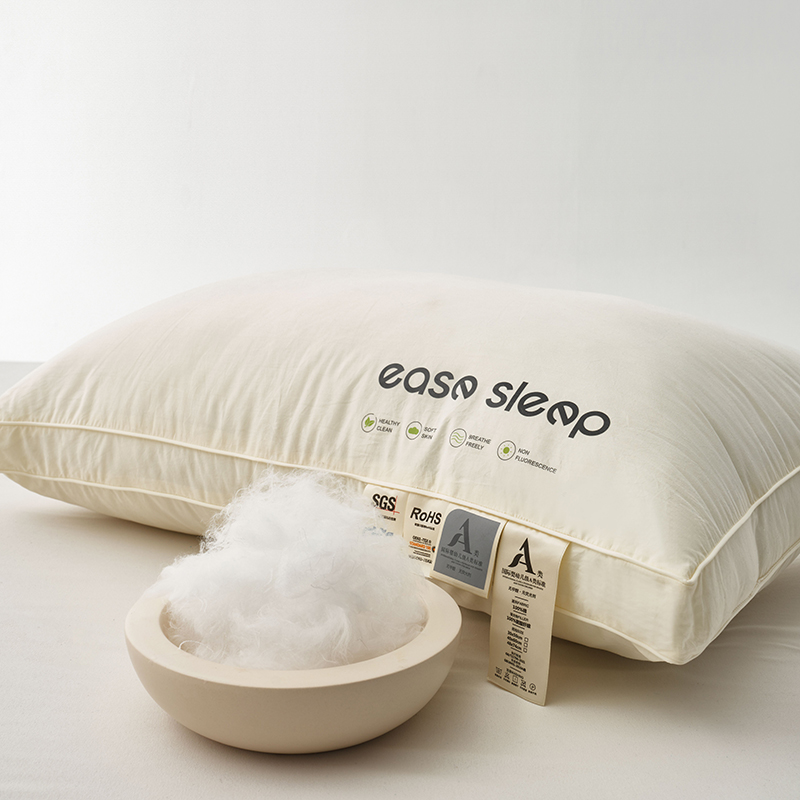
Understanding the size of a standard bed pillow may seem like a small detail, but its impact on sleep, aesthetics, and global trade cannot be understated. Whether you are purchasing for personal use or venturing into the bedding business, knowing how to leverage this size for compatibility, comfort, and profitability is invaluable. By combining ergonomic benefits with versatile applications, standard pillows will remain an essential choice across markets.
When selecting or manufacturing pillows, remember to factor in filling material, product quality, and practical size dimensions to maximize functionality and customer satisfaction. By doing so, you not only optimize comfort but also contribute to the global standardization of sleep solutions. For suppliers and businesses, focusing on standard-sized pillows offers a strategic edge in the competitive bedding market.