Updatetime:2026-07-14 09:11:40 View:
Microfiber pillows are some of the most popular bedding options available on the market today, favored for their softness, durability, and affordability. If you're involved in the foreign trade of textile products or bedding accessories, understanding microfiber pillows in detail is critical for meeting consumer demands and making informed purchasing decisions. This article provides an in-depth exploration of what microfiber pillows are made of, covering their materials, benefits, manufacturing process, and practical insights, ensuring you get a comprehensive understanding of this remarkable product.
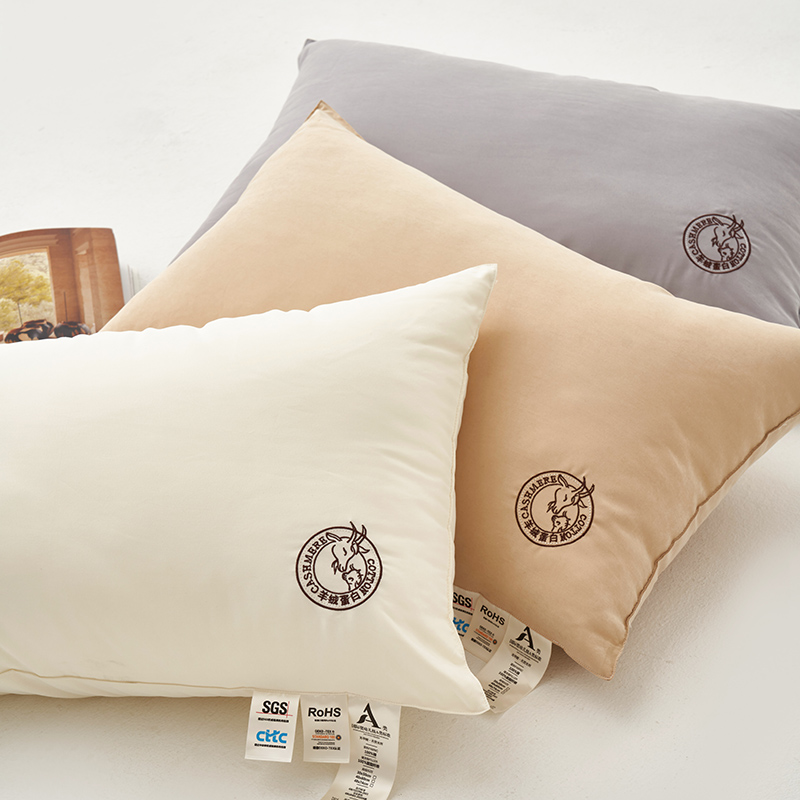
To grasp what microfiber pillows are made of, it's important to first understand microfiber itself. Microfiber is a synthetic fiber that is finer than a single strand of silk or human hair. Typically, microfiber is made of polyester or a polyester-nylon blend. These fibers are extremely thin—less than one denier in diameter. Their unique composition and size contribute to the fabric's lightweight, durability, and smooth texture.
The term ""microfiber"" refers to fibers less than one micrometer or one-thousandth of a millimeter in thickness. Its ultrafine nature allows it to be tightly woven, creating a fabric that is soft yet strong, breathable yet resistant to moisture. Owing to its versatile properties, microfiber has become a popular material in industries ranging from cleaning to bedding and clothing.
Microfiber pillows are primarily made of polyester microfiber or a blend of polyester and nylon microfiber. Polyester microfiber is the most common material due to its affordability, lightweight qualities, and proven ability to mimic the feel of natural fibers like silk or cotton.
Here’s a breakdown of the materials typically found in microfiber pillows:
The combination of finely woven microfiber on the outside and lightweight filling on the inside makes these pillows exceptionally soft, hypoallergenic, and easy to maintain.
The manufacturing process of microfiber pillows combines precision with efficiency to deliver a high-quality product. Here’s an overview of the steps involved:
The production process begins with the creation of microfiber. Polyester and nylon are liquified and extruded through tiny holes to form fine threads. These threads are pooled, stretched, and spun into strands of microfiber that will later be woven into fabric.
The finely spun microfiber threads are tightly woven to produce the fabric that forms the shell of the pillow. The tight weave ensures durability, suppresses allergens, and prevents penetration by dust mites.
Once the shell is ready, manufacturers use machines to fill the microfiber pillow with shredded polyester microfiber or similar materials. The filling quantity is carefully balanced to maintain a plush yet supportive profile.
Each pillow undergoes rigorous quality control procedures to ensure uniform texture, appropriate softness, and reliable stitching. Pillows are checked for defects, and only compliant products make it to the packaging stage.
Microfiber pillows offer several advantages over traditional bedding options, making them highly desirable among consumers. If you’re a foreign trade professional, understanding these benefits can help you better position microfiber pillows in your markets.
Microfiber pillows are tightly woven, which minimizes their vulnerability to allergens. Dust mites, mold, and bacteria struggle to penetrate the microfiber casing, creating a healthier sleeping environment for consumers with allergies or sensitivities.
The synthetic nature of microfiber makes it a budget-friendly option for pillow production. Depending on the market, microfiber pillows can offer great value for high-quality bedding products at affordable price points.
The ultrafine texture of microfiber mimics the softness of silk while still being breathable and lightweight. The fabric’s tactile qualities win over customers seeking a luxurious feel without overspending.
Microfiber material is more resistant to wear and tear than natural counterparts like cotton. Pillows made from microfiber often retain their shape and function longer, making them a reliable investment for consumers.
Microfiber pillows are easy to clean and maintain. They are machine washable and quick-drying, ensuring convenience for consumers who value low-effort care routines.
The adaptability of microfiber allows manufacturers to create pillows in various shapes, sizes, colors, and designs. This versatility makes microfiber pillows a popular choice in both functional and aesthetic bedding markets.
Microfiber pillows have become immensely popular for several reasons. First, the rise of global health consciousness has boosted demand for hypoallergenic bedding and pillows. Second, microfiber pillows' affordability makes them accessible for a wide range of consumers across different income brackets. Lastly, their durability and low-maintenance nature appeal to fast-paced lifestyles, particularly in urban areas.
From a trading perspective, understanding these trends can help professionals in foreign trade identify key target markets and drive effective advertising campaigns tailored to consumer needs.
While microfiber pillows are low-maintenance, proper care can significantly extend their lifespan and preserve their quality. Here’s some actionable advice to maintain them:
Microfiber, being synthetic, does contribute to the issue of microplastic pollution in waterways when washed. As a foreign trade specialist, it's important to highlight alternatives for eco-conscious consumers. For example, exploring sustainable microfiber production methods or investing in product certifications can align offerings with growing environmental concerns.
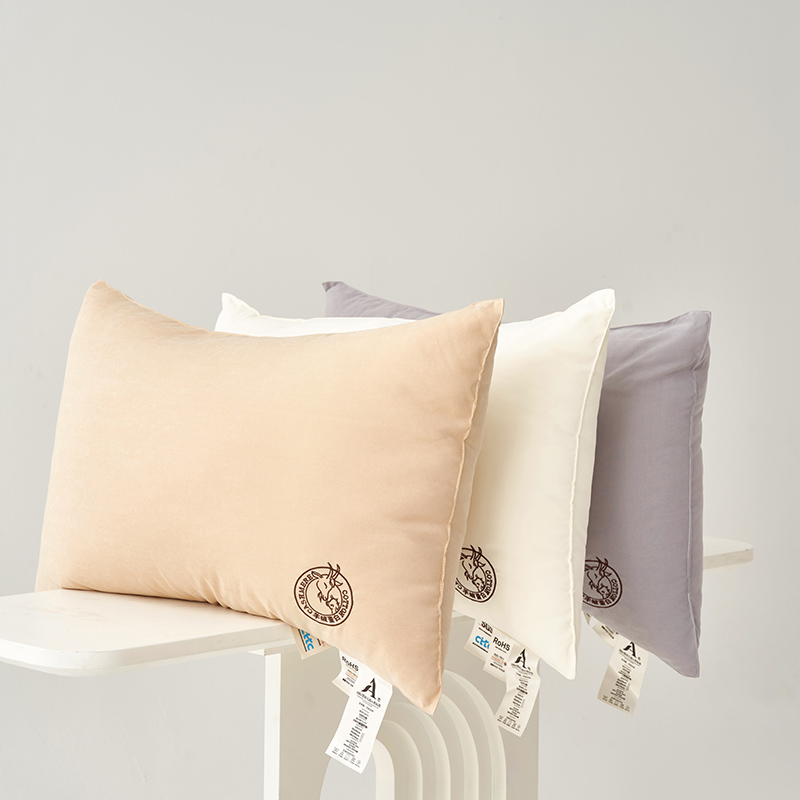
Microfiber pillows are a blend of comfort, durability, and affordability, making them a staple in the bedding industry. Their synthetic composition from polyester microfiber gives them distinctive qualities such as hypoallergenic properties, ease of maintenance, and versatility in design.
For foreign trade professionals, understanding the complete composition, benefits, manufacturing process, and consumer usage trends sets the stage for informed decision-making. Offering products that meet environmental standards, focusing on durability, and communicating these benefits effectively can foster trust and build a strong market presence in both domestic and international markets.
Microfiber pillows represent the balance between luxury and practicality, and their increasing popularity speaks to shifting consumer priorities. With insightful marketing strategies and a commitment to quality, they can be a valuable addition to your trade lineup.