Updatetime:2026-07-14 09:13:47 View:
Choosing the right pillow is fundamental to achieving quality sleep and maintaining good posture and overall health. Among the many types of pillows available in the market, microfiber pillows have gained significant popularity due to their comfort, support, and affordability. But what exactly is a microfiber pillow, and how does it differ from other options? In this article, we'll take an in-depth look at microfiber pillows, exploring their features, benefits, drawbacks, and how to choose the best one for your needs.
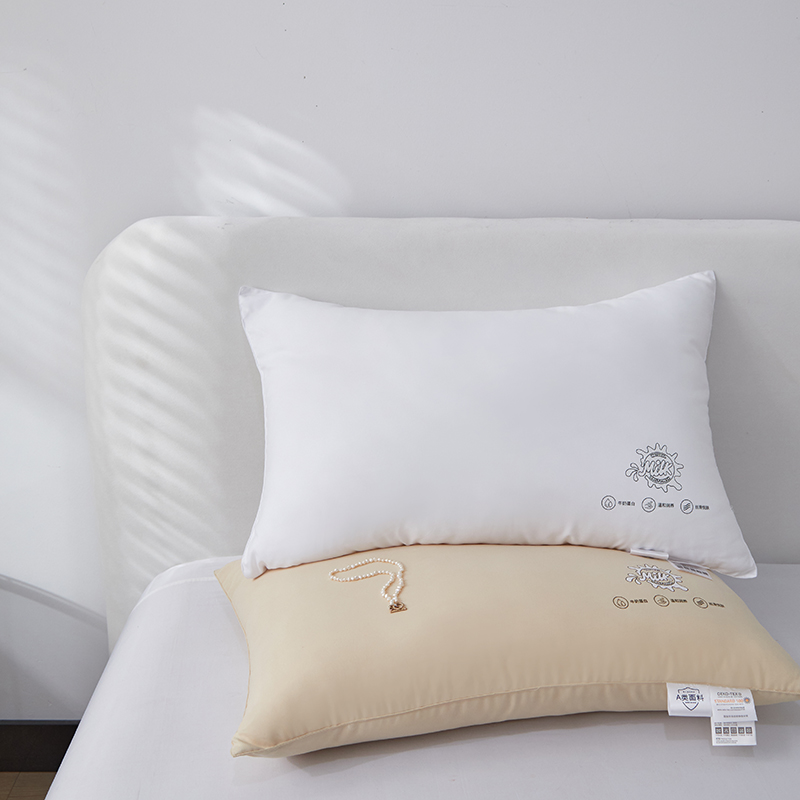
A microfiber pillow is a type of pillow filled with ultra-fine synthetic fibers that are even thinner than a strand of silk. These fibers are typically made from polyester or other types of synthetic materials and are known for their smooth texture and durability. Microfiber pillows are covered with a soft, breathable fabric to enhance comfort and improve airflow, making them suitable for a variety of sleepers.
What sets microfiber pillows apart from other types of pillows? Below are some distinguishing features:
The ultra-fine fibers used in microfiber pillows create a soft and plush material, resulting in high levels of comfort. They are also lightweight, which makes them easy to adjust, store, and transport.
Microfiber pillows are often hypoallergenic, meaning they resist allergens such as dust mites, mold, and bacteria. This makes them an excellent choice for individuals with allergies or respiratory sensitivities.
Despite being soft, microfiber pillows provide good support for the head, neck, and shoulders. They can adapt to the contours of your body, promoting proper spinal alignment.
Microfiber is a strong and resilient material. Microfiber pillows tend to maintain their shape and comfort over time, even with regular use.
Most microfiber pillows are machine washable, allowing for convenient cleaning and maintenance. This makes them a practical choice for busy individuals or families.
Microfiber pillows are generally more affordable than many other pillow types, such as those made with memory foam or natural down. If you’re looking for a high-quality pillow without breaking the bank, microfiber is often a great choice.
Why should you consider using a microfiber pillow? Here are the key benefits:
The soft texture of microfiber pillows creates a cozy sleeping experience. The ability of microfiber filling to conform to your body minimizes pressure points, ensuring a restful night’s sleep.
Thanks to its hypoallergenic properties, a microfiber pillow is an excellent choice for those prone to allergies. By resisting allergens and moisture, these pillows help you maintain a cleaner sleeping environment.
Microfiber pillows come in a variety of shapes, sizes, and firmness levels to suit different sleep preferences. Whether you're a side, back, or stomach sleeper, there’s an option available for you.
Although microfiber is synthetic, many manufacturers use eco-friendly techniques to minimize environmental impact. Some microfiber pillows even use recycled materials, making them more sustainable in comparison to other synthetic pillows.
Microfiber pillows offer excellent value for money. Their durability ensures longevity, while their cost-effective pricing allows customers to enjoy high-quality sleep without spending excessively.
While microfiber pillows provide many advantages, there are some potential drawbacks to consider:
Microfiber may retain heat, which could make these pillows less suitable for hot sleepers. If you tend to sleep warm, look for a microfiber pillow with built-in cooling technology or better airflow.
Although durable, microfiber pillows generally don’t last as long as high-end natural materials like memory foam or down. Regular replacement may be necessary to maintain comfort and hygiene.
As a synthetic material, microfiber is derived from petroleum. While some options use recycled material, microfiber pillows may have a larger environmental footprint compared to natural alternatives.
Microfiber pillows come in many variations, so it’s essential to choose one that aligns with your needs and preferences. Here are some practical tips:
Your sleep position plays a significant role in determining the firmness and size of your pillow. For instance:
If you’re prone to overheating while sleeping, select a microfiber pillow with cooling technology or enhanced breathability to maximize comfort.
Microfiber pillows are available in different sizes, including standard, queen, and king. Consider your needs depending on your bed size and sleeping habits. Additionally, choose the correct loft (thickness) to suit your sleeping posture.
Most microfiber pillows are machine washable. However, it’s a good idea to review the washing instructions before purchase to ensure ease of cleaning and long-term hygiene.
If sustainability matters to you, look for microfiber pillows that use eco-friendly materials or manufacturing methods. These options help reduce your carbon footprint without compromising on quality.
To extend the lifespan of your microfiber pillow, follow these maintenance guidelines:
Protect the pillow with a quality pillowcase to reduce exposure to dirt, oils, and moisture.
Wash microfiber pillows according to the manufacturer’s instructions every few months to maintain hygiene and fluffiness.
Microfiber is sensitive to high temperatures. Use low heat or air drying to prevent damage during cleaning.
Fluff your pillow regularly to retain its shape and softness. This also ensures even distribution of the fibers inside.
If you're not using your pillow, store it in a cool, dry place to avoid exposure to moisture or pests that can degrade its quality.
Microfiber pillows are suitable for a wide range of people. Here’s who they are best suited for:
Families: Microfiber pillows are easy to clean, making them practical for households with children.
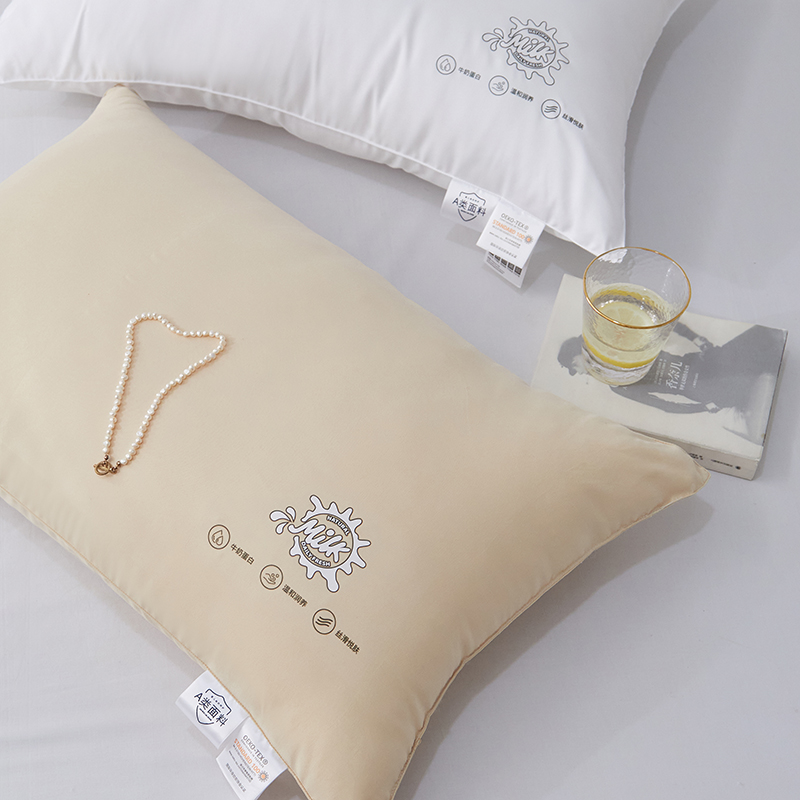
Microfiber pillows are an increasingly popular choice due to their versatility, comfort, and cost-effectiveness. Offering numerous benefits, including resistance to allergens, durability, and ease of maintenance, microfiber pillows cater to a wide array of sleep preferences. However, it’s important to weigh the drawbacks, such as heat retention and potential environmental concerns, before making a purchase.
To get the most out of a microfiber pillow, focus on finding the right size, firmness, and cooling features that match your sleeping style. With proper care and maintenance, these pillows can provide a restful and refreshing sleeping experience for years to come.
Whether you’re buying pillows for your household or sourcing products for your business, microfiber pillows make an excellent, high-quality choice. By understanding their properties and carefully evaluating your needs, you can select the best product to improve your sleep quality and overall well-being.