Updatetime:2026-07-14 09:09:59 View:
In the world of bedding and home textiles, microfiber pillow filling has emerged as a popular choice due to its unique blend of comfort, practicality, and affordability. For retailers, manufacturers, and buyers looking to understand this innovative material, knowing the ins and outs of microfiber pillow filling is essential. This article dives deep into what microfiber pillow filling is, its benefits, uses, maintenance, and more, ensuring you'll have a comprehensive understanding of this bedding staple.
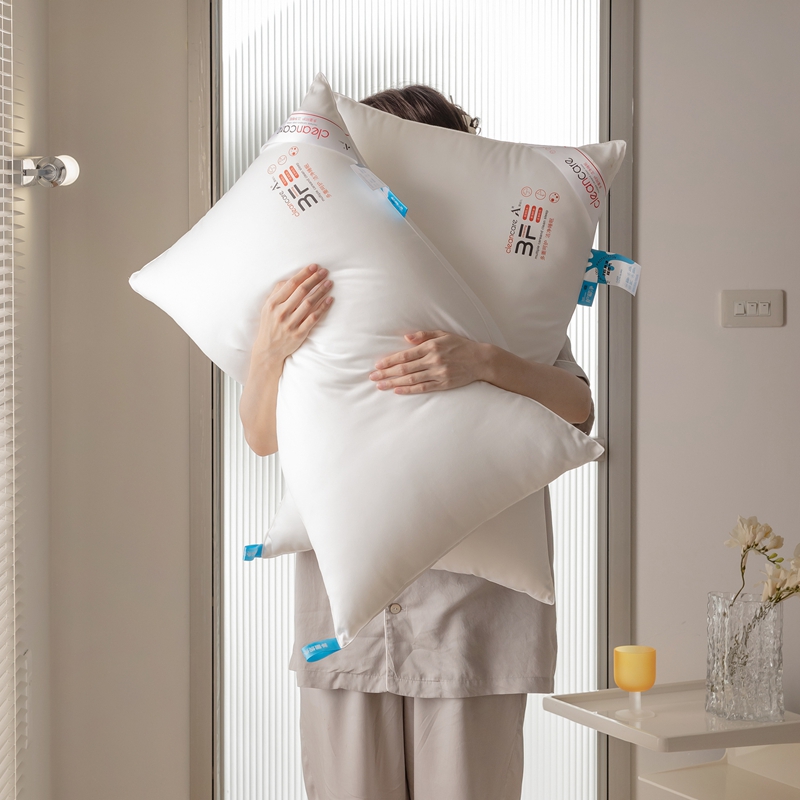
Microfiber pillow filling is made from ultra-fine synthetic fibers, typically polyester. These fibers measure less than one denier, meaning they are finer than a single strand of silk. Their small size makes microfiber an incredibly soft and lightweight material, providing the perfect balance of comfort and support. Microfiber is often manufactured to mimic the feel of down, offering a fluffiness and softness that appeals to users seeking a luxurious pillow experience at a fraction of the price.
To understand how microfiber pillow filling compares to other options, it’s essential to explore its defining features:
Microfiber fabrics and fillings are known for their incredibly smooth texture and silky feel. This makes microfiber pillow filling comfortable for all types of sleepers, including those with sensitive skin.
Being ultra-fine in structure, microfiber is extremely lightweight. Pillows filled with microfiber are easy to carry and adjust while sleeping or lounging.
Despite its lightweight nature, microfiber delivers satisfying density and fluffiness, replicating the tactile comfort of premium down pillows.
Microfiber is inherently hypoallergenic, making it an excellent choice for individuals prone to allergies. The synthetic fibers resist dust mites and allergens, helping create a healthier sleeping environment.
High-quality microfiber pillow filling is breathable, allowing for optimal air circulation to keep users cool and comfortable throughout the night.
Microfiber pillow fillings are less prone to wear and tear compared to natural pillow fillings. The material resists stretching, shrinking, and general degradation, ensuring long-term use.
Choosing microfiber pillow filling comes with several advantages for both consumers and businesses. Here are the top benefits:
Microfiber is often more affordable than costly natural alternatives like goose down or feathers. This makes it an attractive option for customers looking for quality bedding on a budget.
Pillows filled with microfiber are machine washable and quick drying, making them easier to clean compared to down or memory foam pillows. This added convenience appeals to individuals and families looking for hassle-free bedding solutions.
Synthetic microfiber resists allergens such as dust mites, mold, and mildew. Pillow manufacturers often recommend microfiber fillings for individuals suffering from asthma or seasonal allergies.
Many manufacturers use recycled polyester to make microfiber filling, which minimizes environmental impact. This appeals to eco-conscious consumers actively seeking sustainable bedding products.
The flexibility and softness of microfiber make it suitable for various uses, ranging from standard sleeping pillows to decorative pillows and cushions.
Unlike natural fillings, which may vary due to factors like weather or harvesting conditions, synthetic microfiber fillings provide a consistent quality, ensuring repeat satisfaction for customers.
To help stakeholders make informed choices, it’s valuable to compare microfiber pillow filling with other popular options:
While memory foam offers superior support for neck pain and spinal alignment, it is significantly heavier and less breathable than microfiber. Memory foam also tends to retain heat, whereas microfiber provides better temperature control.
Down feather pillows are often considered the gold standard of softness and luxury. However, they are costly, require meticulous care, and may trigger allergies—downsides absent in microfiber alternatives.
Cotton filling is natural and breathable, but it lacks the fluffiness of microfiber and often compresses over time, reducing comfort. Microfiber provides better bounce-back and long-lasting softness.
Polyfill is another synthetic option that shares some traits with microfiber. However, microfiber typically offers a denser, more refined feel compared to traditional polyfill.
The versatility of microfiber makes it suitable for a wide range of applications, including:
Microfiber is commonly used in standard and orthopedic sleeping pillows due to its softness, support, and hypoallergenic properties.
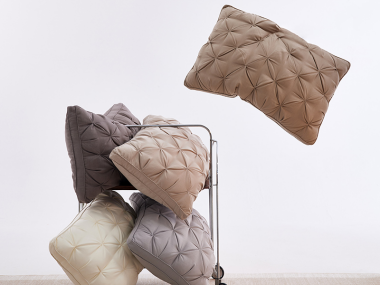
Its fluffiness makes microfiber ideal for accent pillows, offering a stylish appearance and comfortable feel.
Thanks to its lightweight nature, microfiber works well for portable travel pillows that are easy to pack and carry.
Pet beds filled with microfiber offer enhanced comfort and durability while being resistant to allergens and odors.
Microfiber is commonly used for bolsters or cylindrical cushions due to its moldability and ability to retain shape.
Proper maintenance can extend the lifespan of microfiber pillows and preserve their quality. Here are some actionable care tips:
Fluff pillows regularly to retain their shape and ensure maximum comfort.
Always follow the manufacturer’s instructions when washing microfiber pillows. Use mild detergents and opt for machines set to gentle cycles.
While microfiber is quick-drying, air drying is recommended to maintain the integrity of the filling. Avoid high heat settings in dryers.
Invest in pillow protectors to safeguard microfiber pillows against stains, moisture, and allergens.
Replace microfiber pillows every 1-2 years to ensure optimal sleep quality and hygiene.
Businesses looking to sell microfiber pillows and consumers seeking optimal rest can benefit from knowing the essential factors for selecting high-quality microfiber pillow filling:
Choose pillows filled with high-grade microfiber that is soft yet robust and long-lasting.
Opt for pillows with adequate filling density to ensure sufficient support without compromising softness.
The cover fabric should complement the filling to enhance overall comfort. Look for covers made of breathable, high-thread-count materials like cotton or bamboo.
Check for certifications that indicate ethical sourcing and environmental sustainability standards.
Consider individual sleep preferences such as desired pillow firmness, size, and shape before selecting microfiber pillow filling.
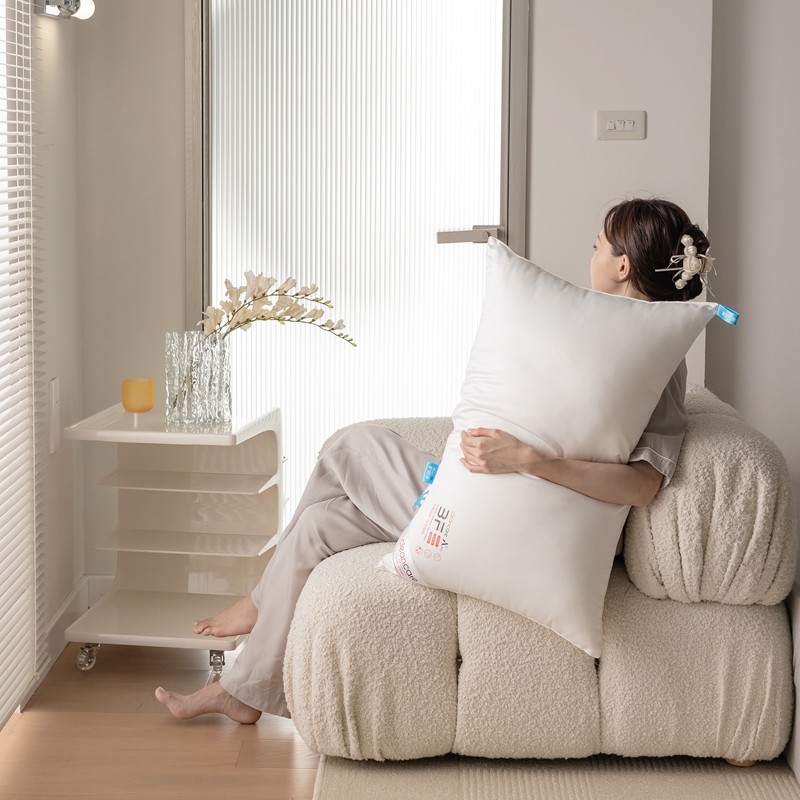
Microfiber pillow filling combines affordability, comfort, and practicality in a way that appeals to a wide range of consumers. Its lightweight nature, hypoallergenic properties, and luxurious feel make it an attractive choice for residential, commercial, and industrial applications. Whether you supply bedding products or use them at home, understanding the properties, maintenance, and selection criteria for microfiber pillow filling is invaluable.
If you’re looking for a pillow filling that balances performance and price while catering to diverse customer needs, microfiber is undoubtedly worth considering. By offering easy care, consistent quality, and versatile uses, it stands out as a smart and sustainable choice in today’s bedding market.