Updatetime:2026-07-14 09:07:25 View:
When choosing the perfect pillow for a restful night’s sleep, the filling material is one of the most critical factors to consider. Among the numerous options available, microfiber has gained significant popularity due to its exceptional qualities. But what exactly is microfiber in pillows? How can it enhance your comfort, and why is it a preferred choice among many? In this article, we’ll delve deep into the world of microfiber pillows, exploring their composition, benefits, applications, and maintenance, along with actionable advice for buyers and exporters.
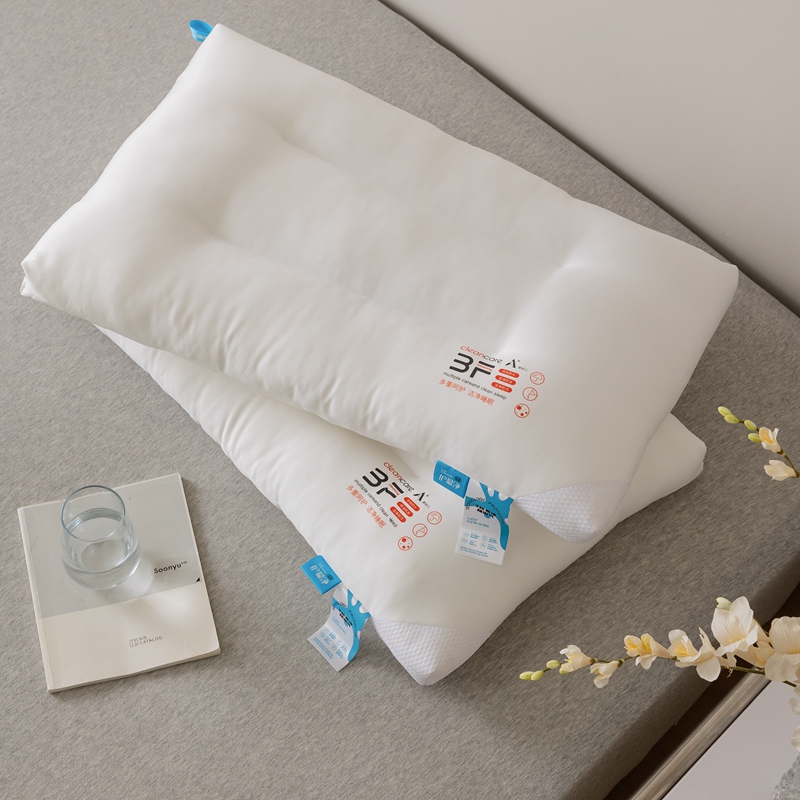
Microfiber is a synthetic fiber made from polyester and polyamide (a type of nylon), characterized by its ultra-fine composition. Each fiber is finer than a single human hair, making it incredibly soft and lightweight. Thanks to its high density and small diameter, microfiber excels in creating fabrics that are both smooth and durable.
In the realm of pillows, microfiber plays a pivotal role in the filling material, embedding comfort, functionality, and versatility into the product. The microscopic structure of these fibers traps air, providing a plush feel while maintaining support. Additionally, microfiber filling can be carefully adjusted during manufacturing to achieve the desired firmness or softness levels.
Microfiber is commonly utilized as a fill material for pillows. Its ability to mimic the softness of natural down makes it an ideal substitute for feather or down-filled pillows, offering a hypoallergenic alternative. Beyond the filling, microfiber is also used in pillow cases due to its smooth and wrinkle-resistant texture.
Microfiber pillows come with a slew of advantages, making them highly desirable for both personal and commercial use. Let’s break down these benefits:
The ultra-fine structure of microfiber ensures unparalleled softness, creating a luxurious sleeping experience. It mimics the comfort of down while eliminating potential allergy triggers, making it suitable for sensitive users.
Microfiber is inherently resistant to allergens such as dust mites, mold, and other irritants. This makes pillows filled with microfiber an excellent choice for allergy sufferers who need a healthier sleeping environment.
Despite being lightweight, microfiber pillows are surprisingly supportive. The fibers compress easily under pressure but quickly regain their shape, offering a balance between cushion and firmness for optimal comfort.
Microfiber pillows are resistant to wear and tear, which means they maintain their shape and softness for an extended period. The synthetic fibers are designed to withstand frequent use and washing, ensuring prolonged durability.
Unlike certain natural materials, microfiber pillows are low-maintenance and easy to clean. Most can be machine-washed without losing their structure or comfort features, making them a practical choice in daily life.
Many manufacturers use microfiber made from recycled resources, offering an eco-friendly alternative to natural down or non-recyclable synthetic fills. This is particularly appealing to environmentally conscious consumers.
Compared to natural fillings like down, microfiber pillows are generally more budget-friendly, making them accessible to a larger market without compromising on quality.
Microfiber pillows are versatile in their applications. They are widely used in bedrooms as sleeping pillows due to their comfort and softness, suitable for all age groups from children to adults. They also function well as decorative throw pillows in living spaces, providing cozy support.
The hospitality industry often utilizes microfiber pillows for their durability, affordability, and hypoallergenic properties. Guests appreciate the plush feel and breathable comfort, aligning with high standards of service and luxury.
Thanks to their allergen-resistant nature, microfiber pillows are often employed in healthcare facilities to ensure patient comfort and support. Their washable design also contributes to enhanced hygiene in these settings.
Selecting the ideal microfiber pillow requires careful consideration of several factors. Here’s a guide to help buyers make an informed decision:
Microfiber pillows come in varying degrees of firmness—soft, medium, and firm. Think about your sleeping position when choosing. Side sleepers often benefit from firmer pillows to support the neck and head, while stomach sleepers might prefer softer ones to minimize strain. Back sleepers can lean toward medium firmness for balanced support.
Pillow size and shape depend on the intended use. Standard, king, and queen sizes suit beds, while square-shaped microfiber pillows work well as decorative cushions. Consider personal preferences and compatibility with your sleeping setup or design theme.
Many microfiber pillows come encased in cotton, polyester, or bamboo covers for added breathability, protection, and aesthetic appeal. Look for a cover material that complements your needs, such as cooling fabrics for hot climates or extra-durable options for heightened longevity.
When purchasing for specific needs, such as allergies, look for certifications that attest to the hypoallergenic, organic, or eco-friendly properties of the product. This ensures transparency in quality and benefits.
Microfiber pillows are typically affordable, but it’s essential to strike a balance between price and quality. Opt for products that showcase high-density microfiber filling for optimal durability and comfort without overextending your budget.
For those involved in foreign trade, microfiber pillows present considerable opportunities. Their universal appeal makes them a viable choice for importing/exporting in regions with diverse consumer preferences. Here are some insights for businesses:
Research your target market to understand the preferences for pillow sizes, firmness levels, and cover materials. Customizing microfiber pillows to suit local trends increases value for customers and boosts competitiveness.
Different countries often require specific certifications for textiles. Make sure your microfiber pillows adhere to global quality and safety standards, ensuring seamless trade flow and trust-building with international buyers.
The increasing demand for sustainable products provides opportunities for promoting microfiber pillows made from recycled or eco-friendly materials. Highlighting this aspect enhances your branding and attracts environmentally conscious importers.
Optimize packaging for microfiber pillows, keeping transportation costs in mind. Vacuum-sealed packaging can reduce volume during shipping, ensuring more efficient logistics.
Consider offering additional features such as customizable firmness, exchangeable covers, or a bundle deal with bedding products like duvet inserts to create more attractive offerings for international buyers.
Maintaining microfiber pillows is simple if you follow best practices. Here’s how to ensure they stay in great condition:
Machine-wash your pillows at a gentle temperature setting (typically below 40°C/104°F). Avoid using harsh detergents as these may degrade the microfiber structure.
If possible, air dry microfiber pillows rather than tumble drying. Exposure to high heat can weaken the fibers over time.
Regularly fluff and rotate your pillows to maintain their shape and even distribution of filling.
Adding a pillow protector helps enhance hygiene and reduces direct contact with dust and allergens.
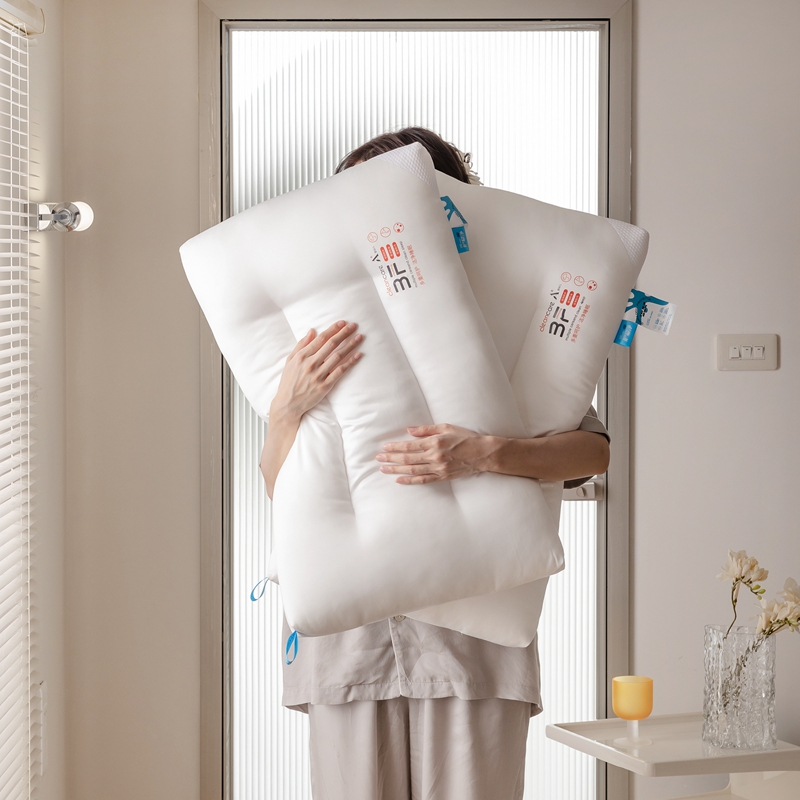
Microfiber pillows stand out as an affordable, durable, and hypoallergenic option in bedding. Whether for personal use or commercial purposes, these pillows offer exceptional comfort and practical value. Their adaptability across different markets makes them a worthwhile investment for retailers and exporters alike. Understanding their benefits, applications, and care ensures buyers can make informed decisions and enjoy the long-term benefits microfiber pillows provide. If you’re looking for an excellent choice for quality sleep, microfiber pillows are a top contender in modern bedding solutions.