Updatetime:2026-07-06 09:33:49 View:
Parents often wonder about the most suitable time to introduce pillows to their child’s sleep routine. This seemingly simple decision plays a crucial role in a child’s overall safety and development. While adults consider pillows an essential part of their bedding, for infants and toddlers, the wrong timing or type of pillow can lead to significant risks. Knowing when children can safely use a pillow is an important step in ensuring their well-being and comfort during sleep.
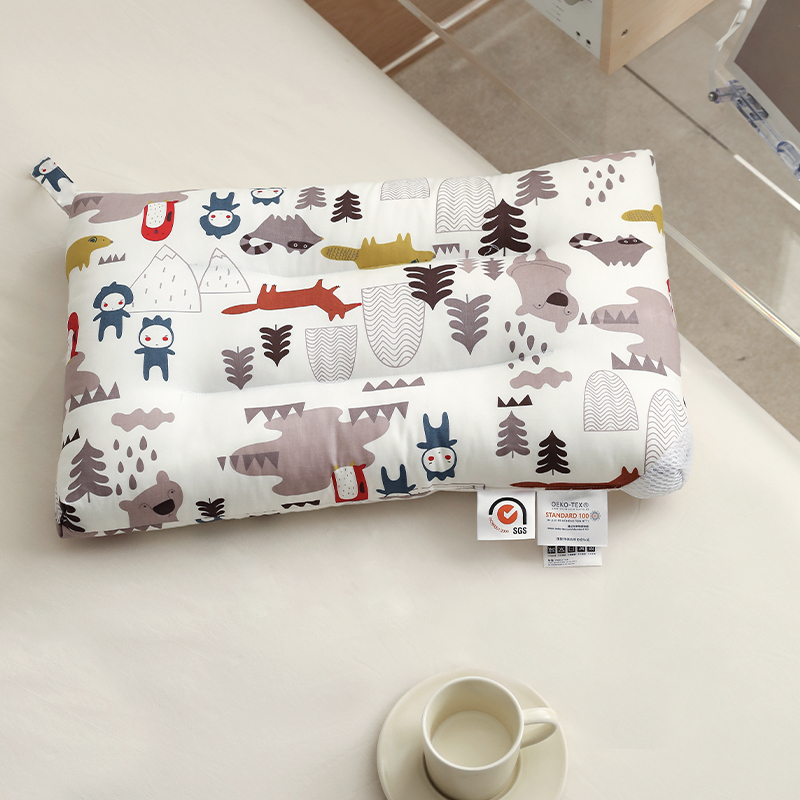
Introducing a pillow too early can pose major risks to a child’s health and safety. Babies, especially infants under the age of one, have underdeveloped motor skills and weaker neck muscles. They lack the ability to reposition themselves comfortably, which makes pillows dangerous as they could unintentionally block their airways. Familiarizing yourself with child development stages is critical when making the decision about introducing pillows.
For infants, pillows should be completely avoided. According to safe sleep guidelines, babies should always sleep on a firm mattress with no loose bedding, pillows, or stuffed toys. Research suggests that using pillows for infants can increase the risk of Sudden Infant Death Syndrome (SIDS), which is why pediatricians and child safety organizations emphasize a bare sleep environment. The flat surface helps infants sleep safely without additional risks.
The transition to using pillows typically starts after a child passes their first birthday, though even at this stage, caution is paramount. While some toddlers may show signs of being ready for a pillow, others may not require one until they reach two years of age. Every child is unique, and understanding individual readiness is key.
Readiness for a pillow depends on physical development milestones, such as stronger neck muscles and the ability to move their head freely during sleep. If your child starts using a favorite toy or blanket to prop their head while sleeping, this may signal their readiness for a small and firm pillow.
By the time children reach ages 2-5, introducing a pillow is appropriate in most cases. Preschoolers have better motor control and can reposition themselves easily during sleep. However, selecting the right type of pillow is paramount to ensure both comfort and safety. Instead of opting for standard adult-sized pillows, which are too large and thick for a young child’s small frame, parents should invest in child-specific pillows designed for this age group.
Once children are ready to use a pillow, selecting the perfect pillow involves more than simply grabbing the first option on the shelf. Factors such as size, firmness, material, and safety certifications must inform your decision.
Young children should use pillows specifically designed for toddlers, which are smaller and thinner than adult pillows. A typical toddler pillow measures approximately 12 x 16 inches and has a low loft, ensuring the neck and spine remain properly aligned during sleep.
Material and filling play a crucial role in the comfort, safety, and durability of a pillow. Here are key options to consider:
Parents should avoid pillows with fillings that can shift during sleeping hours, such as feathers, as they may pose choking hazards or offer insufficient support for a young child’s neck.
When choosing a pillow for your child, prioritize firmness while ensuring comfort. Pillows that are too soft can sink under the weight of the toddler’s head, increasing the risk of suffocation. A moderate to firm pillow gives proper support while reducing safety risks.
Ensure the toddler pillow is breathable and hypoallergenic, especially if your child tends to experience allergies or respiratory problems. Breathable materials such as organic cotton enhance air circulation, while hypoallergenic choices help prevent irritations caused by dust mites or synthetic chemicals.
Children frequently spill, drool, or suffer from occasional allergies, so it’s essential to choose a pillow that can be easily cleaned. Opt for pillows with removable and machine-washable covers to maintain hygiene and prolong the pillow’s usability.
Even after deciding the right time and type of pillow, additional sleep safety guidelines must be followed to ensure your child is secure and comfortable during nap or bedtime.
Create a sleep environment tailored to your child’s age and needs. Keep stuffed animals, heavy blankets, or additional pillows away from the child’s crib or bed, as these items may increase the risk of suffocation or disrupt safe sleeping patterns.
Position your child on their back for sleeping, especially during infancy and toddler years. This position significantly lowers the risk of breathing difficulties. Don’t encourage sleeping positions that force the head to rest awkwardly on the pillow.
As your child grows, their sleep preferences may change. Periodically assess whether the pillow remains suitable for their needs. Adjust pillow size, material, or firmness when necessary to accommodate your child’s growing anatomy and comfort requirements. Replace pillows showing signs of wear and tear or losing shape.
While every child develops differently, certain behavioral signs can indicate that your child is ready for a pillow:
Several misconceptions surround the use of pillows for young children. To make informed decisions, it’s useful to dispel these myths:
Misconception: A fluffy pillow is best.
Truth: Fluffy pillows may pose suffocation risks. Moderately firm options are more appropriate for toddlers.
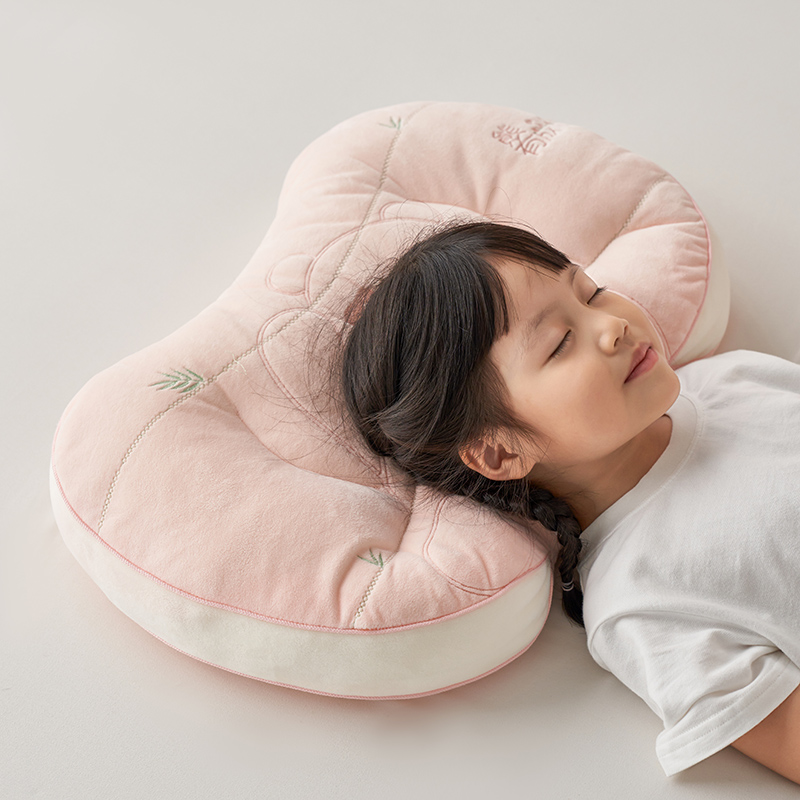
Understanding at what age children can safely use pillows is crucial for promoting healthy sleep habits and ensuring their safety. Introducing a pillow earlier than necessary may result in greater risks rather than benefits. Parents should bear in mind the physical development and readiness of their child, transitioning to safe pillows only when signs of need appear.
Evaluate each child’s unique requirements, choose pillows specifically designed for toddlers, and maintain appropriate sleep practices. By following these guidelines, you can confidently navigate this milestone in your child’s development while ensuring restful and safe sleep.