Updatetime:2026-07-06 09:29:51 View:
When raising children, parents often encounter questions about what is safe and appropriate for their little ones. Among these questions, the use of pillows can sometimes be overlooked but is an important consideration. Introducing pillows to children involves striking the right balance between safety, comfort, and developmental needs. In this comprehensive guide, we will answer key questions about when kids can start using pillows, what factors to consider, and how to choose the best pillow for them—all while ensuring safety and proper sleep support.
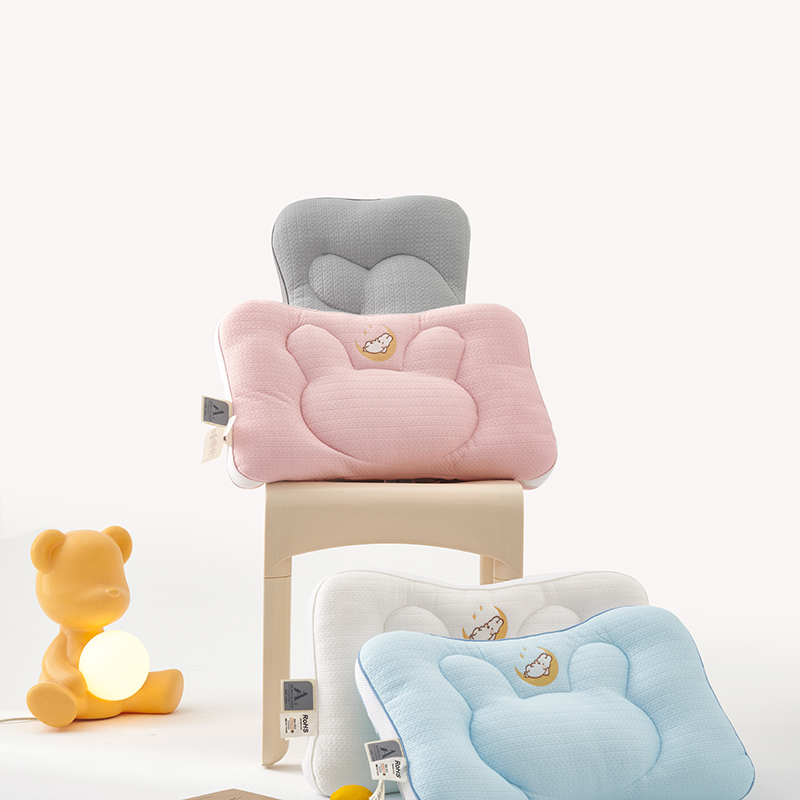
Pillows are generally associated with comfort and proper sleep posture. For adults, they support the neck and head, helping to maintain spinal alignment during sleep. However, for young children, this relationship is different. Infants' and toddlers' bodies are still developing, and their sleep positions are naturally different from adults'. Learning when pillows become suitable for them involves understanding their anatomy, sleeping habits, and safety risks.
Most healthcare professionals and pediatricians generally recommend waiting until children are about 18 months to 24 months old before introducing pillows to their sleep environment. This recommendation is based on safety concerns, as the use of pillows before this age can increase the risk of suffocation, Sudden Infant Death Syndrome (SIDS), and other sleep-related issues.
For infants under 18 months, pillows are not necessary. Babies sleep flat on their backs, which is the safest sleep position. Their heads are proportionately larger compared to their bodies, which naturally aligns their spine, and a pillow may interfere with this alignment. Additionally, the risk of suffocation is quite high at this early stage due to their limited ability to adjust their position and the softness of many pillows.
Once a child reaches 18 to 24 months and shows signs of being ready for a pillow, parents can begin considering an introduction. Signs your child may be ready include transitioning out of a crib into a toddler bed, showing discomfort with sleeping flat, or actively using a stuffed toy or blanket under their head for support. At this stage, introducing an appropriately sized and safe pillow can enhance their sleep comfort and quality.
Choosing the right pillow and timing its introduction requires careful consideration of various factors. Here’s what parents should keep in mind:
The foremost concern when introducing a pillow is safety. Ensure that the pillow is the right size for your child, typically smaller than adult pillows, and has a firm yet comfortable fill. Avoid overly soft pillows, as they pose a suffocation hazard. Hypoallergenic materials are highly recommended to minimize the risk of allergies and respiratory problems.
Every child grows and develops at their own pace. While the general recommendation is 18-24 months, some children may not be ready until they're older. Assess your child’s physical development and sleeping habits to determine the best time to introduce a pillow. If your child sleeps soundly and comfortably without a pillow, there might be no immediate need for one.
Your child’s sleep position also plays a role in selecting the right type of pillow. For example, side sleepers may benefit from slightly thicker pillows that provide adequate support to the neck and spine. However, back sleepers might require thinner pillows to prevent unnatural neck angles.
Kids are prone to allergies and sensitivities, so choosing hypoallergenic pillows made with natural or synthetic materials that resist allergens like dust mites is essential. Look for pillows with washable covers to maintain cleanliness and hygiene.
Once your child is ready for a pillow, selecting the right one becomes crucial. Here are some actionable tips for choosing an appropriate pillow:
Children’s pillows are smaller than standard adult pillows to suit their petite frame. Opt for a pillow that is around 12 x 16 inches, which is ideal for toddlers transitioning to pillows. Avoid oversized pillows, as they may cause discomfort and impact sleep.
A pillow that is too soft can lead to suffocation risks, while a pillow that is too hard may be uncomfortable and fail to provide adequate support. Choose a pillow with medium firmness that both supports your child’s head and aligns the neck properly.
For maximum safety and comfort, consider pillows made of organic materials or synthetic options specifically designed for children. Cotton-covered pillows filled with hypoallergenic polyester are popular choices. Avoid pillows stuffed with feathers, as they may trigger allergies.
Children’s items often get dirty quickly, and pillows are no exception. Select pillows with machine-washable features or removable covers to maintain cleanliness and reduce exposure to germs and allergens.
Introducing a pillow to your child should be a gradual process. Here are some effective tips to ensure a smooth transition:
To help your child adjust to using a pillow, begin by introducing it during naps first before incorporating it into nighttime sleep. This smaller change will help them get accustomed to the new addition.
Once your child starts using a pillow, closely observe their sleeping patterns. Ensure they are sleeping comfortably and not showing signs of discomfort or unusual behaviors.
If your child is old enough to express preferences, involve them in choosing their pillow. Allowing them to pick out a color or pattern they like could make the adjustment easier.
If your child resists using a pillow, don’t force them to use it immediately. Every child adapts at their own pace, so be patient and wait until they’re naturally inclined to use it.
Parents often make certain mistakes when introducing pillows to their children. To ensure your child’s safety and comfort, avoid these common pitfalls:
One of the biggest mistakes is giving a pillow to a child younger than 18 months. Early introduction can pose significant risks, including suffocation and disrupted sleep quality.
Parents may unknowingly select adult-sized pillows or overly soft ones. This can lead to improper neck support and dangerous sleep conditions.
Ignoring the importance of hypoallergenic materials can exacerbate allergies or respiratory issues in young children. Always prioritize quality materials designed for safety and comfort.
Pillows naturally accumulate dust, sweat, and bacteria. Forgetting to clean them regularly can lead to hygiene concerns, affecting your child’s health.
When introduced correctly and at the right age, pillows can provide several benefits for children:
Better Sleep Habits: Comfortable sleep accessories help children build better and healthier sleep routines.
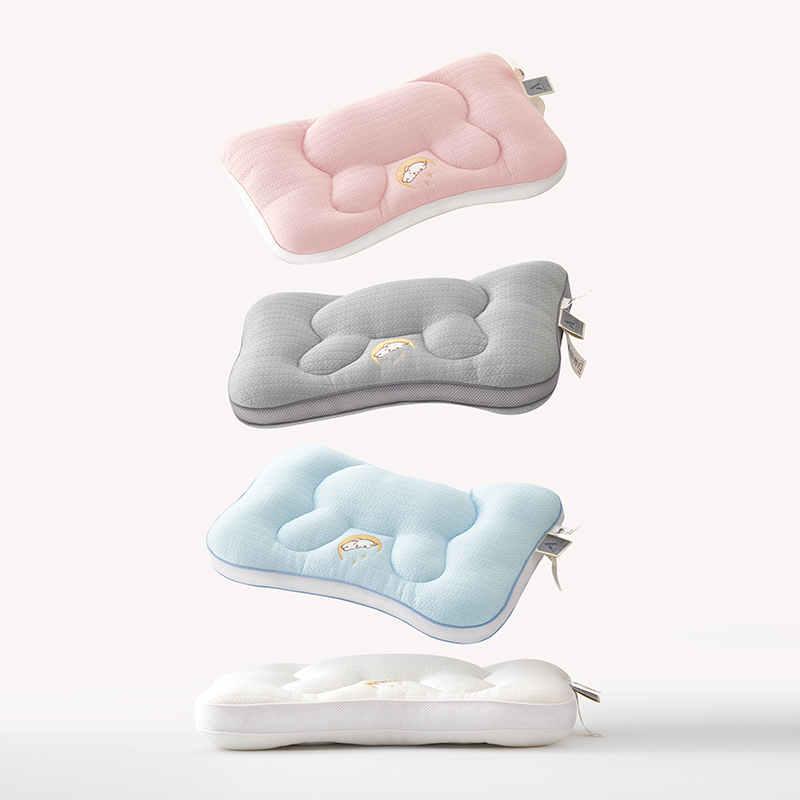
The question of what age kids can have pillows is an important one, rooted in both safety and developmental considerations. Generally, pillows can be introduced between 18 to 24 months, but the specific timing will depend on your child's growth, sleep habits, and readiness. When selecting a pillow, prioritize safety, size, material, and washability to ensure both comfort and hygiene.
By following the guidelines and actionable advice outlined in this article, parents can confidently introduce pillows to their children, setting the stage for better sleep and continued development. Remember, the ultimate goal is a safe and comfortable sleep environment that nurtures your child’s growing body and mind.