Updatetime:2026-07-03 16:56:46 View:
Parents always want their babies to be comfortable and safe during sleep. One question that often arises is: at what age can babies sleep with a pillow? This seemingly simple question has many dimensions, as it involves considerations for safety, health, and proper development. This article will explore this topic in-depth, providing parents with insights, guidance, and practical advice tailored to their needs.
Sleep safety for infants is a critical topic that all parents should prioritize. According to pediatric guidelines, unsafe sleep environments can increase the risk of Sudden Infant Death Syndrome (SIDS) and other sleep-related injuries. Introducing items like pillows too early poses unnecessary risks for babies, as they can obstruct a baby's airway or cause suffocation.
Parents must understand that during the early months, babies' bodies are still developing. Their neck muscles are not strong enough to move their heads efficiently, which increases the chance of suffocation when pillows are introduced prematurely.
Pediatricians generally recommend avoiding pillows altogether for babies under the age of two. Instead, they suggest creating a safe sleep environment with a firm mattress covered by a fitted sheet and no additional bedding items. This minimalist approach keeps the risk of suffocation and entanglement at its lowest level.
There are several reasons why pillows are not suitable for infants and young toddlers:
While every child develops at their own pace, there are certain signs that can indicate your toddler is ready to transition to pillow usage:
If you’re uncertain about whether your child is ready for a pillow, it’s always best to consult a pediatrician. They can evaluate your child’s stage of development and provide personalized advice based on individual needs.
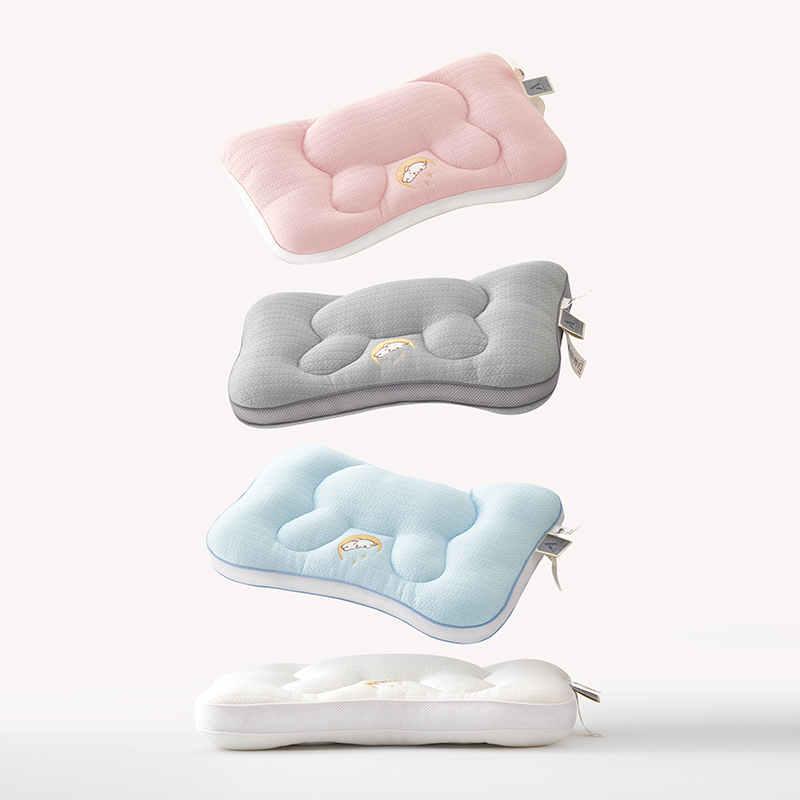
Once your toddler is ready for a pillow, choosing the right pillow becomes essential for safe and comfortable sleep. Here are some important factors to consider:
Adults often use large, fluffy pillows, but these are unsuitable for toddlers. Opt for a small, flat pillow that supports their head without excessively raising it, ensuring proper alignment.
The material of the pillow plays a crucial role in ensuring it is safe and comfortable. Select pillows made from breathable, hypoallergenic materials, especially if your child has allergies or sensitive skin.
A firm pillow is better for toddlers than a soft one. A pillow that is too soft can sink under your child’s head, increasing the risk of suffocation. Aim for a balance of comfort and durability.
Toddlers are messy by nature, so choose a pillow that is easy to wash and maintain. This will keep it clean, hygienic, and free of allergens like dust mites.
Introducing a pillow is a gradual process. Follow these actionable tips to create a seamless and safe transition:
Consider introducing a pillow during daytime naps before letting your toddler use it overnight. This allows you to monitor how they adapt to using a pillow.
Instead of giving your child a standard adult pillow, look for toddler-specific pillows. These are designed with smaller dimensions and firmer materials to ensure safety and comfort.
Monitor your child while they sleep with the pillow. If they appear uncomfortable, fidget excessively, or experience disrupted sleep, they may not be ready yet.
Children thrive on routine, so introduce pillows as part of their bedtime routine gradually. This helps them adjust in stages without feeling overwhelmed.
Parents looking to improve their baby’s sleep comfort should explore alternatives to pillows for infants. These options can enhance sleep safety while meeting developmental requirements.
Sleep sacks are wearable blankets that keep babies warm and secure without adding loose bedding. They provide comfort and reduce the risk of suffocation.
A firm mattress is crucial for infants. It provides adequate support for their developing spines and ensures their head, neck, and body remain in proper alignment.
Some cribs come with adjustable mattress heights or slightly inclined sleeping surfaces to address reflux or discomfort issues without compromising safety.
When discussing pillows for babies, several myths often arise. It is essential to separate facts from misconceptions to make informed decisions.
In reality, infants sleep better when their sleep environment is minimal and free from distractions like pillows. Their comfort doesn't rely on pillow presence but on safe surroundings.
Soft pillows pose higher suffocation risks for babies. Firm pillows, specifically designed for toddlers, are safer and more appropriate.
Infants naturally manage without pillows. Their developing bodies do not require additional support, and introducing items like pillows prematurely may hinder their healthy development.
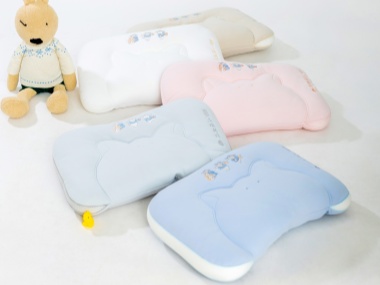
The question of “What age can babies sleep with a pillow?” encompasses a wide range of factors from safety concerns to developmental readiness. While the general consensus among pediatricians is to wait until age two, it’s important to assess each child’s needs individually.
Choosing the right pillow, implementing a gradual transition process, and prioritizing safe sleep practices are all essential steps to help your toddler achieve a restful and safe sleeping experience. Always consult with a pediatrician if you’re unsure about introducing pillows into your child’s sleep setup.
By making informed decisions and following the actionable guidance provided in this article, parents can ensure their little ones enjoy comfort and safety throughout their early years.