Updatetime:2026-07-06 09:35:35 View:
Bed sheets are an indispensable component of everyday bedding designed to enhance comfort and hygiene. They serve both functional and aesthetic purposes, providing a barrier between the sleeper and the mattress while also contributing to the overall décor of the bedroom. In this article, we will explore bed sheets from multiple dimensions, breaking down their history, types, materials, functions, and care instructions. Whether you're a consumer, retailer, or manufacturer, understanding bed sheets comprehensively can help you make informed choices.
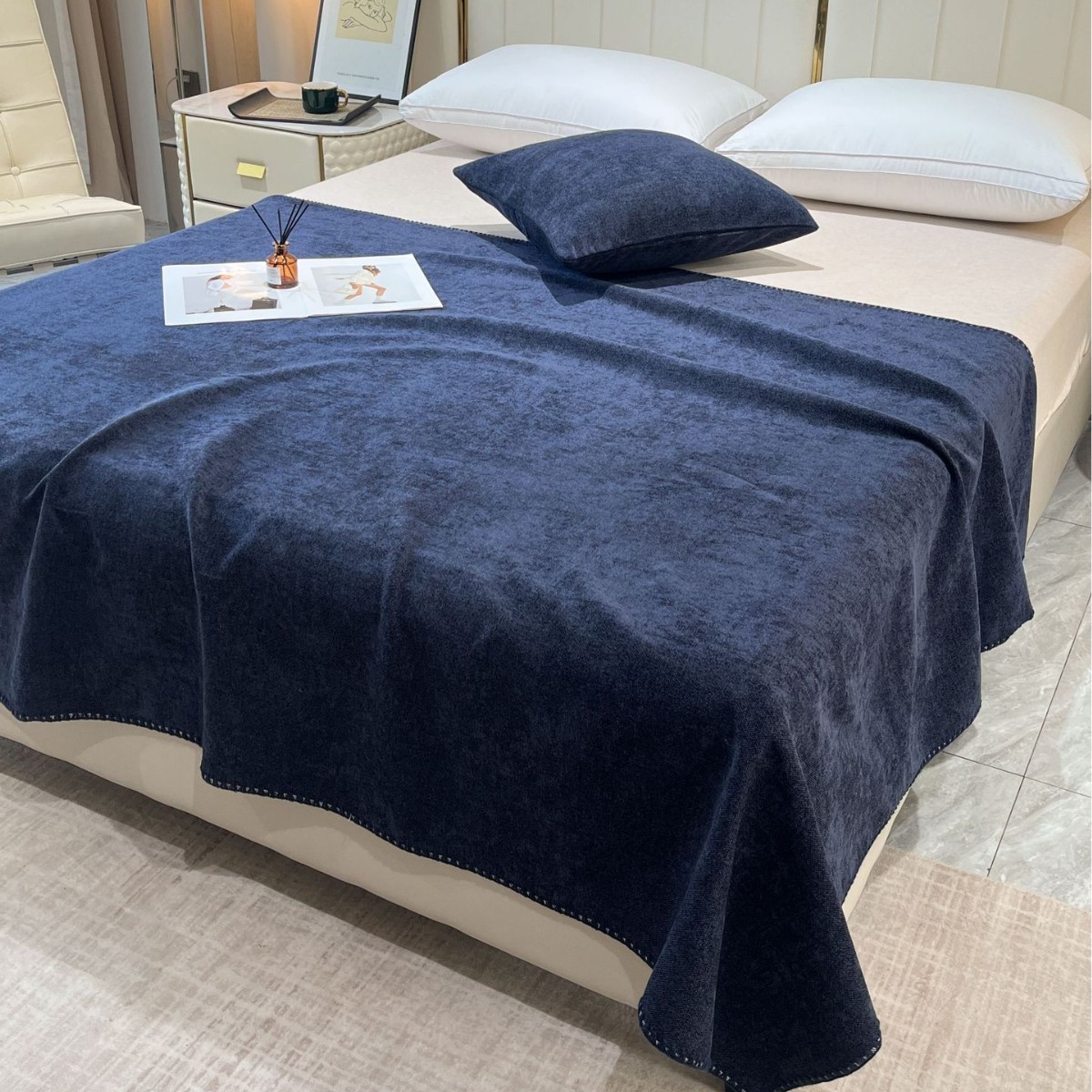
Bed sheets have been used for centuries, with their origins tracing back to ancient civilizations. Early iterations of bed sheets were made from woven fabrics like linen, often reserved for aristocracy. Over time, advancements in textile production introduced new materials like cotton, silk, and synthetic fibers, making bed sheets more accessible to the masses. Today, bed sheets have evolved into a diverse market, offering options for various preferences and budgets.
Bed sheets come in multiple types, each designed for specific use and comfort levels. Understanding the categories can simplify the decision-making process.
Flat sheets, often known as top sheets, are rectangular bed linen placed over the mattress and tucked under it. They serve as a cover for the sleeper and can be layered with blankets or duvets.
Fitted sheets feature elastic corners, allowing them to snugly fit onto mattresses. They offer convenience in ensuring the sheet stays in place, especially for active sleepers.
Some sheets cater to distinct needs such as adjustable beds, extra-deep mattresses, or crib sheets for infants. These specialty sheets are tailored designs that accommodate non-standard bed sizes.
Choosing the right material for bed sheets is essential as it affects both comfort and durability. Common materials include:
Cotton is the most popular material for bed sheets due to its softness, breathability, and durability. Types of cotton include Egyptian, Pima, and organic cotton, each offering unique qualities.
Silk sheets are synonymous with luxury and elegance. They are naturally hypoallergenic and smooth, making them ideal for sensitive skin. However, silk sheets require meticulous care.
Polyester is a synthetic fiber, known for its affordability and wrinkle resistance. While not as breathable as natural fabrics, polyester sheets offer a cost-effective option for many households.
Linen sheets are loved for their moisture-wicking and durability properties. They adapt well to temperature changes, keeping you cool in summer and warm in winter, but they can feel rough initially until softened with use.
Made from bamboo fibers, these eco-friendly sheets are soft, silky, and naturally antimicrobial. Bamboo sheets are increasingly favored by environmentally conscious buyers.
Thread count and weave significantly influence the texture and quality of bed sheets.
Thread count refers to the number of threads woven vertically and horizontally within one square inch of fabric. Generally, higher thread counts indicate increased softness and durability, although factors like material type also impact feel.
Popular weaving styles include:
When selecting bed sheets, it’s essential to account for several aspects to ensure satisfaction:
The longevity of bed sheets depends heavily on proper care. Here are tips to maintain their quality:
The bed sheet market has witnessed significant transformations due to changes in consumer preferences and advancements in textile technology:
Bed sheets play a critical role in determining sleep quality. A comfortable sheet can help regulate temperature, wick moisture, and reduce irritation, all contributing to a restful night. The right choice of material, thread count, and weave can make a substantial difference in achieving optimal sleep comfort.

Bed sheets are more than mere bedding accessories; they are integral to both comfort and home aesthetics. By understanding their types, materials, maintenance needs, and market trends, you can make informed choices that meet personal and business requirements. Whether you're selecting bed sheets for your own use or as part of a product portfolio, prioritizing quality, functionality, and sustainability will ensure satisfaction and long-term value.