Updatetime:2026-06-24 09:03:45 View:
The importance of sleep, specifically quality sleep, cannot be overstated. As awareness around this crucial aspect of human health grows, so does the interest in products that promote restful sleep. One of the most beneficial sleep accessories is the cervical pillow, designed to support the neck and shoulder area for improved comfort and spine alignment. This article explores the dimensions of using a cervical pillow, offering practical advice and insights on how to integrate this sleep aid into your nightly routine effectively.
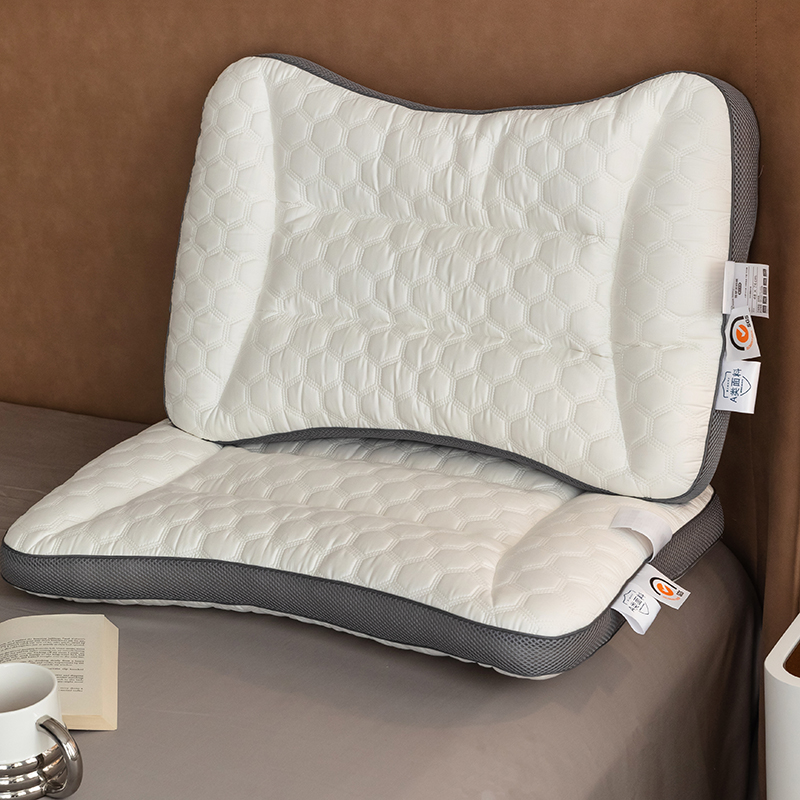
A cervical pillow, often referred to as an orthopedic pillow, is designed to maintain the natural curve of the neck during rest. Unlike regular pillows, which can vary widely in height and firmness, cervical pillows offer therapeutic support that promotes alignment of the spine. This specific design helps prevent common issues such as neck pain, shoulder pain, and headaches, all of which can be aggravated by improper pillow support.
Cervical pillows are typically made from memory foam, latex, or other foam materials that contour to the body's natural shape. Memory foam is particularly popular for its ability to conform closely to the neck's curve without exerting undue pressure. Good quality cervical pillows may also come with removable and washable covers made from hypoallergenic materials, ensuring hygiene and comfort.
Switching to a cervical pillow can offer a multitude of benefits. Understanding these can help motivate the change and ensure long-term commitment to using these pillows.
The primary advantages of using a cervical pillow revolve around health improvement. These pillows help in:
By offering necessary support to the neck and shoulder region, cervical pillows enhance sleep quality. Users often report waking up feeling more rested and less afflicted by aches and pains. Furthermore, with improved posture and alignment, many individuals experience deeper sleep cycles, contributing to overall well-being.
Selecting the correct cervical pillow is paramount to maximizing its benefits. Here are factors to consider:
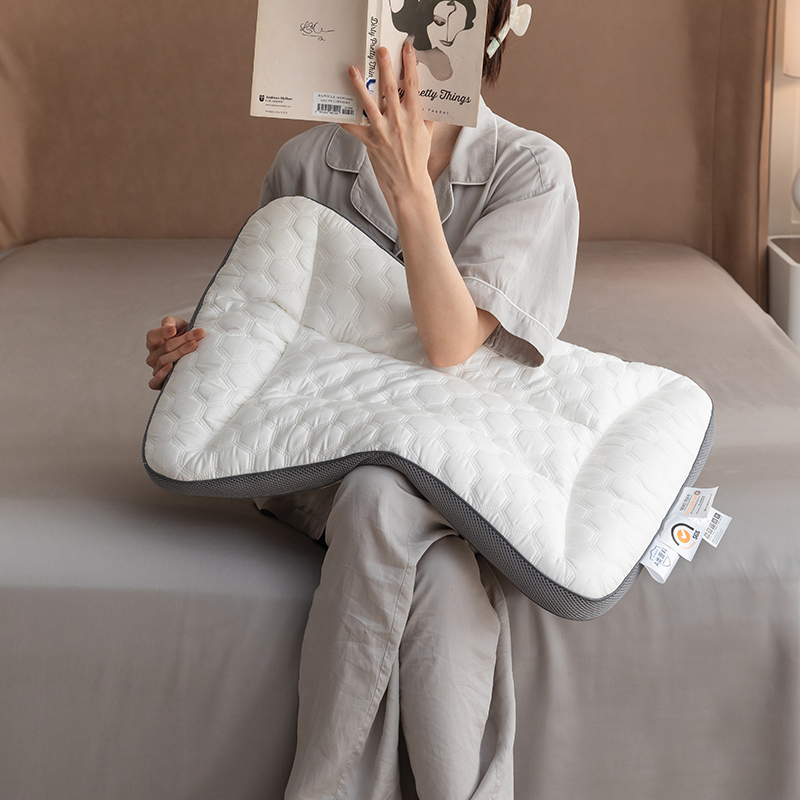
Cervical pillows come in various sizes and shapes, including contour and butterfly shapes. These pillows are designed to meet different needs. Those with wider shoulders might opt for larger or differently contoured options to ensure adequate support.
Material choice affects comfort, durability, and potential allergen exposure. Memory foam is popular due to its adaptive properties, but latex offers a firmer feel. Each material type suits different sleeping preferences, so it is essential to consider personal comfort when choosing.
Cervical pillows vary in firmness levels from soft to firm. The correct firmness is dependent on sleeping posture; side sleepers might prefer firmer options for head and neck support, while back sleepers might choose a softer feel to maintain spine alignment.
Transitioning to a cervical pillow involves more than just replacing your old one. Proper use and adjustment are critical to deriving full benefits.
When you first switch to a cervical pillow, expect an adjustment period. As the body adapts to new support levels, there might be slight discomfort or altered sleep patterns. Allow the body a couple of weeks to adjust to the new sleeping posture.
Correct positioning of the cervical pillow plays a vital role in its effectiveness. Ensure that the pillow's contour fits snugly under the neck, maintaining the spine's natural alignment. For side sleepers, the pillow should fill space between the ear and shoulder, supporting the neck adequately. Back sleepers should ensure that the head rests comfortably on the pillow and that the neck support keeps the spine aligned.
To prolong the life of your cervical pillow and ensure hygiene, regular maintenance is key. Most pillows come with washable covers; clean these frequently according to manufacturer guidelines. The pillow itself might require airing out or gentle cleaning, depending on material specifications.
Here are some practical tips designed to enhance your experience with cervical pillows:
If the cervical pillow feels unnatural initially, consider alternating between your old pillow and the new one. Gradual transition can lessen discomfort during the adjustment phase.
Periodically evaluate your cervical pillow’s condition and its benefits. If discomfort occurs or benefits lessen, it may be necessary to reassess proper positioning or consider replacing the pillow based on wear and tear.
Especially for individuals experiencing chronic pain, consulting with healthcare providers regarding pillow choice and usage could be beneficial. Professional advice might offer guidance tailored to specific health needs.
Utilizing a cervical pillow represents a commitment to better sleep and overall health. By understanding the nuances of their usage, choosing the right pillow, and ensuring proper maintenance, users can embrace the full spectrum of benefits cervical pillows offer. As with any lifestyle change, adherence and thoughtful integration into daily habits are essential for lasting improvement.
Ultimately, investing in a cervical pillow is more than an acquisition of a sleep accessory; it is a proactive step toward enhanced health and quality of life. Each night's sleep with a cervical pillow lays the foundation for better days ahead.