Updatetime:2026-06-24 09:06:01 View:
Ergonomic pillows have become an essential tool for enhancing sleep quality and promoting overall health. As the understanding of ergonomics continues to grow, more people are turning to these specially designed pillows to alleviate discomfort and improve their sleep experience. Whether you're seeking relief from chronic pain, aiming to improve your posture, or simply in pursuit of a better night's sleep, understanding how to properly use an ergonomic pillow is crucial. This article delves into the practical use, benefits, and considerations for making the most out of your ergonomic pillow.
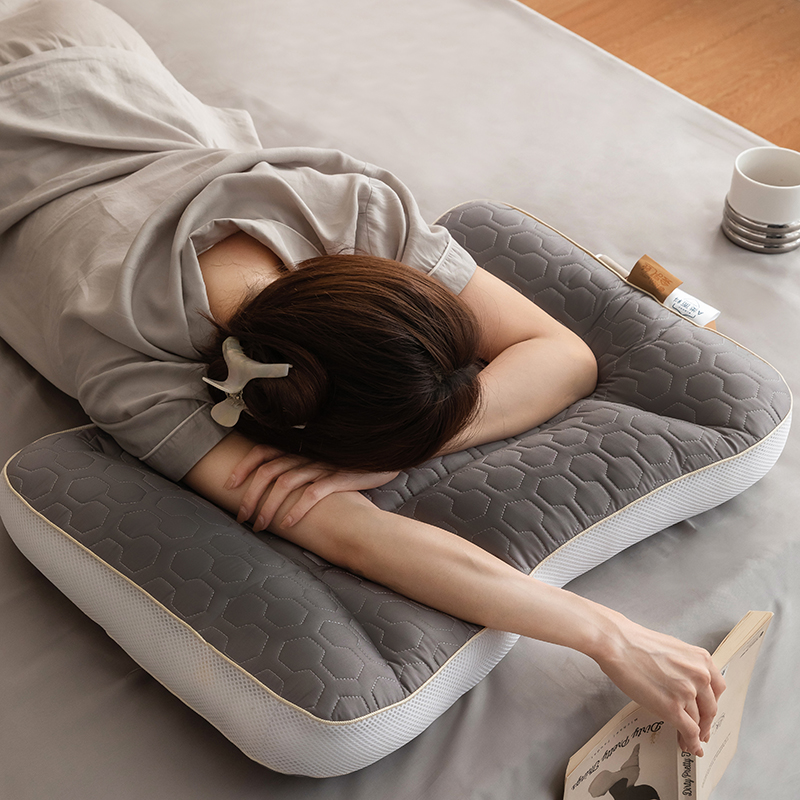
An ergonomic pillow is a type of pillow designed to support the head, neck, shoulders, and spine in a natural position during sleep. Unlike traditional pillows, ergonomic pillows are specifically crafted to conform to the natural curvature of the body, minimizing strain and promoting alignment. These pillows come in various shapes and sizes, including memory foam, latex, and hybrid models, each offering different levels of firmness and support.
Understanding the different types of ergonomic pillows can help you choose the one that best fits your needs:
Choosing the right ergonomic pillow can have profound benefits on your health and overall well-being:
An ergonomic pillow helps maintain the natural alignment of the spine and neck, which is crucial for preventing pain and discomfort. Proper support can alleviate pressure points that otherwise contribute to muscular tension and headaches.
Individuals suffering from chronic neck or back pain often find significant relief when using ergonomic pillows. By ensuring correct posture during sleep, these pillows can help reduce pain over time.
Ergonomic pillows can lead to a deeper, more restful sleep by reducing discomfort and minimizing disturbances during the night. Quality sleep is vital for cognitive functions, mood regulation, and physical health.
When selecting an ergonomic pillow, it’s important to consider your specific needs, sleeping habits, and any underlying physical conditions.
Your sleep position will heavily influence the type of pillow that will best suit your needs:
Different materials provide diverse comfort levels and support:
Simply owning an ergonomic pillow isn’t enough. Proper usage is essential to gain the maximum benefit:
Place the pillow so that it supports the natural curvature of your cervical spine. For cervical and contour pillows, ensure that the raised portion is snug under the neck.
For optimal results, pair your ergonomic pillow with a supportive mattress that complements your sleeping position to maintain full body alignment from head to toe.
Allow a transition period to adjust to your new pillow. It may take several days or weeks for your body to become accustomed to the support and for minor discomforts to resolve.
Avoid these common pitfalls to ensure you’re getting the most out of your ergonomic pillow:
A pillow too high or too low can hinder spinal alignment. Choosing the correct loft and firmness according to your body size and sleeping position is crucial.
Regularly clean your pillow as per manufacturer instructions to prevent allergens and extend its lifespan. Pillows lose their supportive qualities over time and should be replaced periodically.
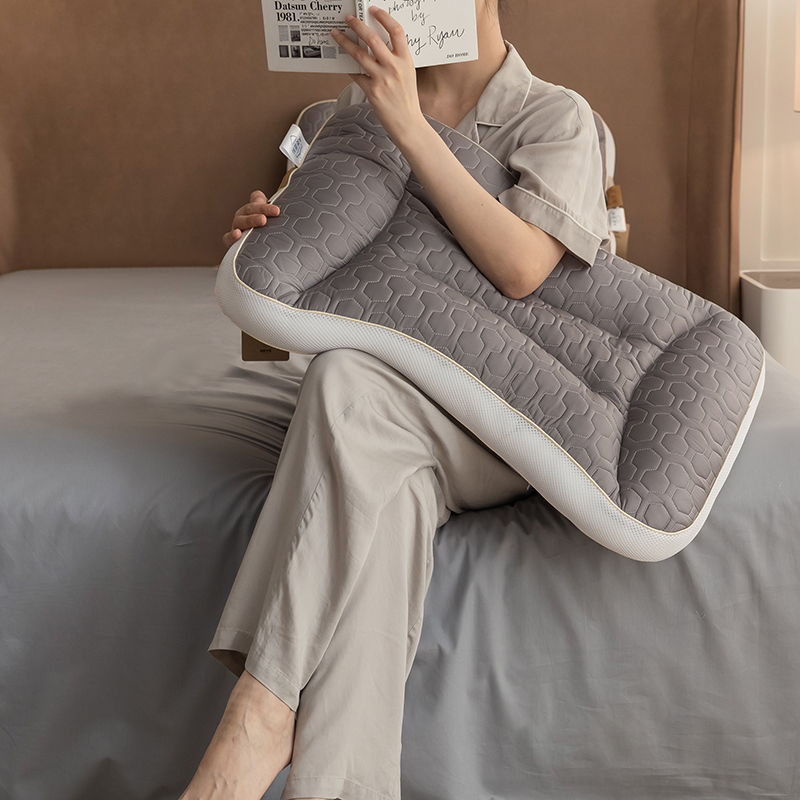
Ergonomic pillows offer a host of benefits from pain relief to improved sleep quality by promoting proper spinal alignment. Selecting the right pillow involves considering your specific needs, sleeping habits, and the materials that offer you the best comfort and support. By understanding and properly utilizing an ergonomic pillow, you can significantly enhance your sleep experience and overall health.
Investing in an ergonomic pillow is more than a purchase; it’s a step towards improved well-being and comfort. As always, it is advisable to consult with healthcare professionals if you have specific health concerns or require tailor-made solutions for your unique needs.