Updatetime:2026-06-23 09:24:03 View:
Neck pain is a prevalent issue affecting millions of people worldwide, often stemming from poor posture, stress, or prolonged periods of sitting. One of the most recommended solutions for alleviating neck pain is the use of a cervical pillow. These pillows are designed to support the natural curve of your cervical spine, promoting proper alignment and comfort during sleep. This article will guide you on how to utilize a cervical pillow effectively, ensuring you maximize its benefits for neck pain relief.
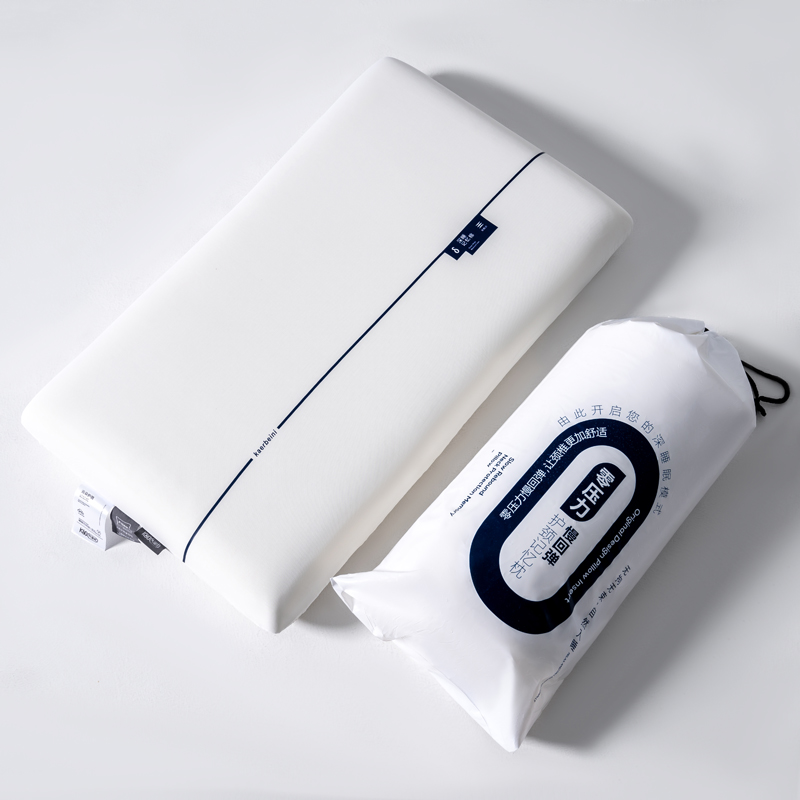
A cervical pillow, sometimes referred to as an orthopedic pillow or neck support pillow, is specifically designed to maintain the natural cervical curve while you sleep. It aims to support your neck and head, helping to prevent stiffness and discomfort. These pillows come in various shapes and materials, including memory foam, latex, and fiber fillings.
Employing a cervical pillow can offer numerous advantages, such as:
The effectiveness of a cervical pillow largely depends on selecting the right type to match your personal needs. Consider the following factors when choosing a cervical pillow:
The material of the pillow plays a significant role in its effectiveness and comfort. Memory foam is popular for its ability to conform to the shape of your head and neck, providing personalized support. Latex is another choice, known for its durability and hypoallergenic properties. Fiber-filled pillows offer a softer, more traditional feel.
Cervical pillows come in various shapes, such as contoured, D-shaped, or roll-style designs. Contoured pillows with a depression in the center and raised edges are excellent for cradling your head and neck. D-shaped pillows offer substantial neck support, while roll-style pillows can be placed in various positions to support the neck or back.
The firmness of the pillow should correspond with your sleeping style and personal preferences. Side sleepers often benefit from a firmer pillow to maintain alignment, while back sleepers may prefer a medium-firm pillow. Softer pillows are typically best for stomach sleepers, though this position isn’t recommended for neck health.
Select a pillow that fits your body frame and matches the size of your bed. A pillow that’s too large could overextend your neck, while one that’s too small won’t provide adequate support.
To get the most out of your cervical pillow, it's essential to use it correctly. Here’s how you can do that:
When using a cervical pillow, positioning is crucial:
Switching to a cervical pillow can take some time as your body adjusts to a new sleeping position. Here are a few tips to help you transition:
Proper maintenance of your cervical pillow can extend its lifespan and ensure maximum benefits. Consider these guidelines:
Follow the manufacturer’s cleaning instructions. Many pillows come with removable covers that can be machine-washed. Memory foam cores, however, should generally only be spot-cleaned.
Regularly assess your pillow for signs of wear such as lumps, sagging, or lack of support. Most pillows, depending on the material, should be replaced every one to three years.
While a cervical pillow can significantly aid in reducing neck pain, incorporating additional methods can enhance its effectiveness:
Engaging in regular neck-strengthening exercises and stretches can enhance flexibility and support. Yoga and Pilates are effective practices for improving posture and reducing stress on the neck.
Ensure that your everyday environments, such as your workspace, are ergonomically friendly. Adjust your chair, desk, and computer screen to avoid strain on your neck.
Stress is a common contributor to neck pain. Practices such as meditation, deep breathing exercises, and regular physical activity can help alleviate stress and tension in the neck muscles.
If you find that neck pain persists despite using a cervical pillow or if you experience severe pain, it's crucial to consult with a healthcare professional. They can provide you with a tailored approach, possibly incorporating physical therapy or other treatments to address underlying conditions.
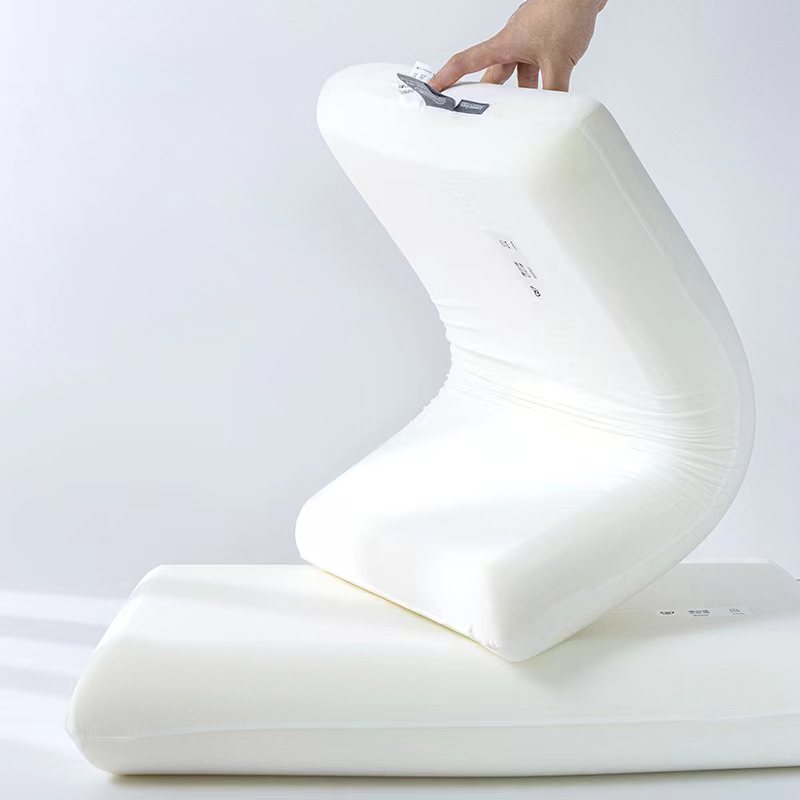
Using a cervical pillow for neck pain can be a highly effective strategy for improving sleep quality and reducing discomfort. By choosing the right pillow, using it properly, and integrating complementary practices, you can significantly enhance your overall well-being. Remember, gradual adaptation and consistency are key, and always seek professional advice if neck pain continues to be an issue. With the right approach, you’ll be on your way to a healthier, pain-free sleep experience.