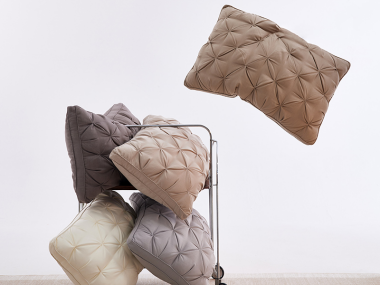
Sewing a throw pillow cover is a rewarding project that can instantly refresh the look of any room. Whether you are an experienced sewing enthusiast or a beginner looking to embark on your first sewing project, creating a throw pillow cover offers a perfect mix of style, simplicity, and practicality. This guide provides in-depth insights on how to sew a throw pillow cover from start to finish with detailed instructions and tips to ensure success.

Materials You Will Need
Before you begin sewing, it's essential to gather all necessary materials and tools. Having everything at your disposal will streamline the process and reduce interruptions caused by missing items. Here's a list of materials you will need:
- Fabric: Choose a fabric that suits the style and decor of your room. Popular choices for pillow covers include cotton, linen, velvet, and wool.
- Pillow form or fill: Select a pillow form or fill that fits the size you plan to make. You can choose synthetic fill, feather fill, or polyfill for various comfort and style preferences.
- Sewing machine: A good quality sewing machine will make the task easier, although hand sewing is also possible.
- Thread: Match your thread to the fabric color to ensure inconspicuous stitching.
- Pins or clips: Help secure fabric edges during sewing.
- Scissors or rotary cutter: Sharp fabric scissors or a rotary cutter for clean cuts.
- Measuring tape or ruler: For precise measurements.
- Iron: An iron for pressing seams and fabric.
Planning and Preparing Your Throw Pillow Cover
Choosing the Right Fabric
The choice of fabric plays an integral role in the appearance and durability of your throw pillow cover. Consider the following factors when selecting fabric:
- Color and Pattern: Select colors and patterns that complement the existing décor of your space. Solids provide a timeless look, while bold prints add a dynamic element.
- Durability: Opt for sturdy fabrics that withstand wear and tear over time, especially if the pillow will be used frequently.
- Feel and Texture: Consider the texture of the fabric for comfort and aesthetic appeal. Soft fabrics like cotton provide a cozy feel, while textured fabrics add depth.
Measuring and Cutting the Fabric
To achieve a perfect fit for your pillow cover, precise measurement and cutting are crucial. Here's how to do it:
- Measure your pillow form. Add one inch to the length and width for seam allowances. If your pillow is 18x18 inches, cut your fabric 19x19 inches.
- Lay your fabric flat and use a ruler and pencil to mark the cutting lines.
- Use scissors or a rotary cutter to cut along the marked lines.
- Cut two identical fabric squares or rectangles - front and back pieces.
Sewing the Pillow Cover
Creating an Envelope Closure
An envelope closure is easy to make and allows the cover to be removable for cleaning. Here's how to construct it:
- Cut one fabric panel in half horizontally to create two back pieces.
- Fold and press a narrow hem on one long edge of each back piece. Hem by folding half an inch and pressing with an iron, then fold another half inch and stitch.
- Lay the front panel face-up on your work surface. Place the two back pieces on top, right sides together, aligning the unfinished edges with the front panel's edges.
- The hemmed edges of the back pieces should overlap in the center, forming the envelope.
Assembling the Pieces
Once you've got your envelope closure setup, proceed with assembling the entire pillow cover:
- Pin or clip the layers securely to prevent shifting during sewing.
- Stitch around the entire perimeter with a 1⁄2 inch seam allowance.
- Reinforce overlapping edges with extra stitching to provide strength to the envelope opening.
- Clip the corners to remove bulk, being careful not to cut through the stitching.
Finishing Touches
Flip and finish your pillow cover:
- Turn the pillow cover right side out through the envelope closure, gently pushing the corners for shape.
- Press the cover with an iron to smooth seams and edges.
- Insert your pillow form through the envelope closure.
- Fluff and adjust for a polished appearance.
Expert Tips for a Professional Finish
Maintaining Precision While Sewing
Be precise with each step for an impeccable final product. Use these expert tips:
- Always double-check measurements before cutting fabric to avoid mistakes.
- Maintain consistent seam allowances and handle fabric gently to prevent distortion.
- Use quality pins or clips to secure fabric and avoid shifting.
- Test stitches on fabric scraps to achieve the best tension and stitch length.
Experimenting with Design Variations
Add distinctive touches to your throw pillow cover with these creative ideas:

Conclusion
Sewing a throw pillow cover offers a rewarding opportunity to personalize your living space while showcasing your creative skills. By following this comprehensive guide, you can create a beautifully crafted pillow cover tailored to your style preferences and the needs of your space. Remember, the key to success lies in preparation, precision, and creativity. Dive into your next sewing project with confidence, and enjoy the satisfaction of creating something with your own hands!