Updatetime:2026-06-17 08:52:10 View:
Throw pillow cases are an essential component of home décor. Not only do they offer a quick and easy way to freshen up a room, but they also allow individuals the flexibility to express personal style. This guide is crafted for those who wish to create their own pillow cases, offering a fulfilling and customized approach to adding comfort and elegance to any space. Whether you are an experienced seamstress or a beginner looking to embark on your first sewing project, this article will guide you step by step through the process.

Before starting, it's crucial to gather all necessary materials to ensure a smooth sewing experience. Here's a list of materials and tools you will need:
The choice of fabric greatly influences the aesthetics and functionality of the pillow case. Take into consideration the following aspects:
Natural fibers like cotton, linen, and wool are breathable, durable, and often preferred for home decor projects. Cotton is versatile and comes in a variety of prints and textures. Linen has a unique texture and is perfect for a sophisticated look, while wool provides warmth and is suitable for colder seasons.
Consider patterns, colors, and textures. Solid colors work seamlessly with patterned room interiors or multiple accents. Conversely, patterned fabrics can be a focal point in more neutral settings. Emergent trends include minimalist, geometric prints, and eclectic boho designs.
Proper fabric preparation ensures the durability and beauty of your finished pillow case. Begin with:
Wash your fabric before cutting to avoid shrinkage after sewing. Follow recommended wash instructions to preserve the fabric quality.
Press the fabric with an iron to remove wrinkles. This step aids in achieving accurate cuts and seams when assembling the pillow case.
The accuracy of measurement and cutting is critical to achieving a professional-looking finish. Follow these steps:
Measure your pillow insert. If using an 18-inch pillow form, add an inch to width and length measurements to accommodate seam allowances, resulting in a fabric piece 19x19 inches.
Using a ruler or measuring tape, accurately cut two identical squares from your fabric, each measuring 19x19 inches for an 18-inch pillow form.
Now that the fabric is prepared, proceed to the assembly and sewing stage:
Place the two fabric squares with the right sides facing each other (patterned side if applicable). Align edges and pin them in place, leaving half an inch from fabric edge for seams.
Using a sewing machine, sew around three and a half sides to form a pouch-like shape. Use a straight stitch, maintaining a half-inch seam allowance. Reinforce the corners with backstitching or sewing across the diagonal.
Zipper: For finishing, attach a zipper to the open edge for easy access to the pillow form. Follow your zipper package instructions.
Buttonholes: Alternatively, create buttonholes and sew buttons for a decorative touch.
The final steps will ensure your pillow case not only looks polished, but also functions comfortably:
Trim excess thread and gently press the sewn edges for a crisp finish. Consider using pinking shears to prevent fabric fraying.
Turn the case right side out and carefully insert the pillow form, ensuring it sits evenly within the case.
If needed, give the completed pillow case a final press with an iron to smooth any creases or wrinkles introduced during sewing.
With your pillow case completed, consider how it integrates into your space:
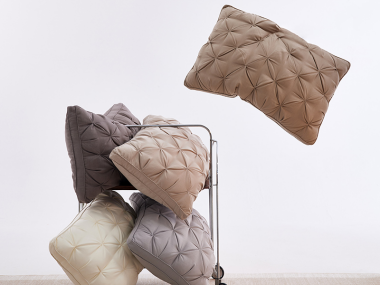
Place your custom pillow with others to create a layered appearance. Mix patterns and textures for a dynamic effect. The versatility of throw pillows means they can complement sofas, accent chairs, or even outdoor seating.
Layering with blankets or throws can add another dimension to your decor. Choose solid colors for a minimalist appeal or vibrant ones to enhance room personality.

Creating a throw pillow case is a rewarding endeavor that enhances your living space, provides a personal touch, and offers an opportunity to explore your creativity. Whether concurring with the latest décor trends or aligning with distinctive tastes, a handcrafted pillow case elevates home aesthetics uniquely. Armed with the steps and tips outlined above, embark on this sewing adventure with confidence and enthusiasm, knowing that each stitch will contribute to crafting something uniquely yours.
Additional projects that employ similar sewing techniques can include cushion covers, quilted throws, and decorative bed runners. As you expand your repertoire, consider sharing your skills with friends and the community, enriching spaces with the bespoke charm of handmade decor.
The art of sewing not only serves a functional purpose but also nurtures an enduring appreciation for craftsmanship and creativity. Enjoy the process and cherish the finished product—a testament to patience and artistry. May this guide inspire many beautiful creations that enrich your home space.