Updatetime:2026-06-17 08:49:23 View:
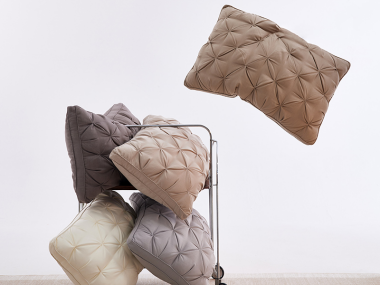
Decorative pillow covers are an excellent way to refresh your home décor without the need for a major overhaul. These versatile pieces can add color, texture, and personality to any room. Sewing your own pillow covers offers a creative outlet, allows for customization, and can be more cost-effective than purchasing ready-made covers. This guide aims to walk you through the process of creating DIY decorative pillow covers, providing practical advices and insights suitable for both beginners and seasoned stitchers.
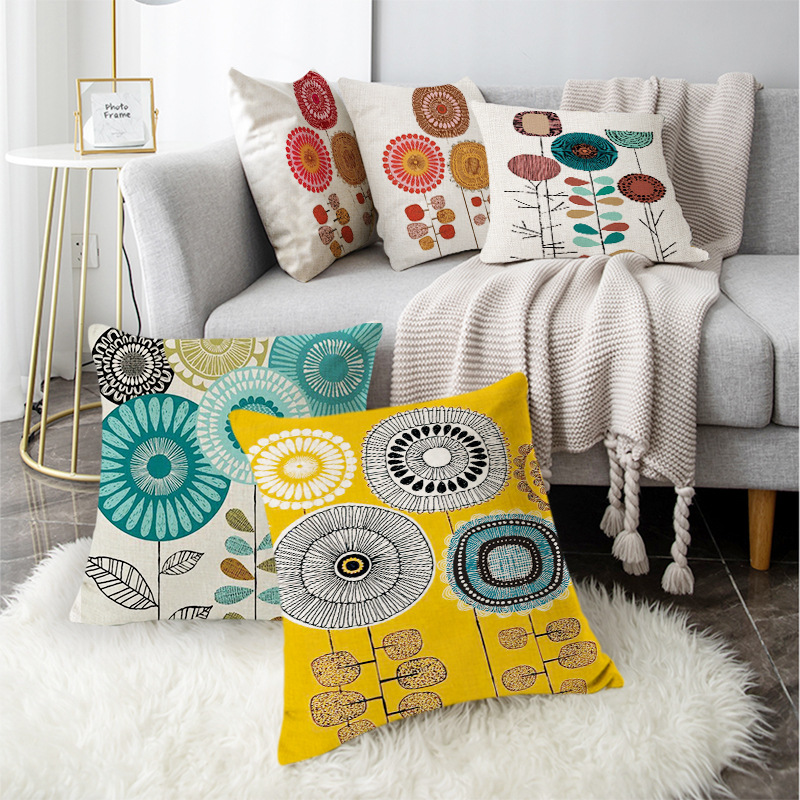
Before diving into the sewing process, it’s essential to gather all the necessary materials and tools. Here’s a list of items you will need:
Choosing the right fabric is critical to ensure durability and aesthetic appeal. Consider factors such as color, texture, pattern, and fabric weight. Popular choices include cotton, linen, velvet, and upholstery fabric. Each fabric type offers distinct qualities: cotton is easy to handle and wash, linen provides a crisp texture, velvet adds luxurious softness, and upholstery fabric ensures durability.
- Pillow inserts of chosen size
- Matching sewing thread
- Fabric scissors or rotary cutter
- Measuring tape or ruler
- Pins or clips
- Sewing machine (optional: for speed and precision)
Accurate measurements are crucial for a well-fitting pillow cover. Begin by measuring the dimensions of your pillow insert. This measurement will determine the size of the fabric piece needed.
For a snug fit, the fabric should match the pillow dimensions, plus include extra for seam allowance. For instance, for a 16-inch pillow, cut the fabric to 17 inches for a 1⁄2-inch seam allowance on each side. If making an envelope pillow cover, you'll need additional length for overlap to enable the cover to close without gaps.
Lay your fabric on a flat surface and use a ruler or measuring tape for precise measurements. Mark the dimensions with tailor’s chalk or a fabric marker before cutting. For envelope covers, cut one square and two rectangles. The rectangles form the overlapping back flaps.
Begin by creating hemmed edges on the overlapping pieces in envelope-style covers. Turn under one edge of each back piece by 1⁄2 inch and stitch down. If you're using a sewing machine, adjust the settings according to fabric type to prevent puckering or skipping.
Place the fabric pieces right sides together, aligning the edges neatly. The flap pieces should overlap. Pin the layers together to prevent shifting during sewing. With the fabric aligned, stitch around the perimeter, leaving the overlapped edges open. Ensure to reinforce corners for durability.
After sewing, trim excess fabric from corners to reduce bulk. Turn the pillow cover right side out through the opening. Adjust seams with a point turner or similar tool to achieve sharp corners. Press the cover with a steam iron for a polished appearance.
Once the basic sewing is done, elevate your pillow covers with unique embellishments. Here are some customization techniques:
Enhance aesthetics with fringes, lace trims, or tassels sewn along the edges. Diverse textures add depth and prevent the design from becoming monotonous.
Use appliqué to attach fabric shapes or patchwork designs. Embroidery can add personal touches, such as monograms or artistic patterns, providing a handmade charm.
Hand-painted designs or tie-dye patterns are striking features for pillow covers. Ensure to use textile paints or dyes safe for fabric and set colors with heat for long-lasting results.
Proper care prolongs the lifespan of your decorative pillow covers. Most are machine washable; however, consult fabric care instructions to avoid damage.
Use mild detergent and cold water for washing. Avoid bleach to preserve colors. For delicate fabrics like velvet or silk, opt for hand washing or professional cleaning.
If seasonally changing your décor, store pillow covers flat or rolled to prevent creasing. Keep in a dry location to avoid mold or mildew growth.
Sewing decorative pillow covers allows for multifaceted creativity in home décor. With thoughtful fabric selection and precise techniques, these covers can transform interiors, reflect personal style, and offer a budget-friendly design solution. Whether adding vibrant designs or sophisticated elegance, pillow covers serve as versatile accessories adaptable to any aesthetic. Embrace the art of sewing, and enjoy the satisfaction of handmade projects that enrich your living spaces.
Embark on crafting personalized pillow covers today, and discover how fabric and thread can reinvent a room’s ambiance.
Absolutely. While a sewing machine accelerates the process, covers can be hand-sewn using a needle and thread. Hand stitching increases craftsmanship though may require more time.
Cotton and polyester blends are economical and offer various colors and patterns. Upcycling thrifted textiles or repurposing old garments delivers creative and sustainable choices.
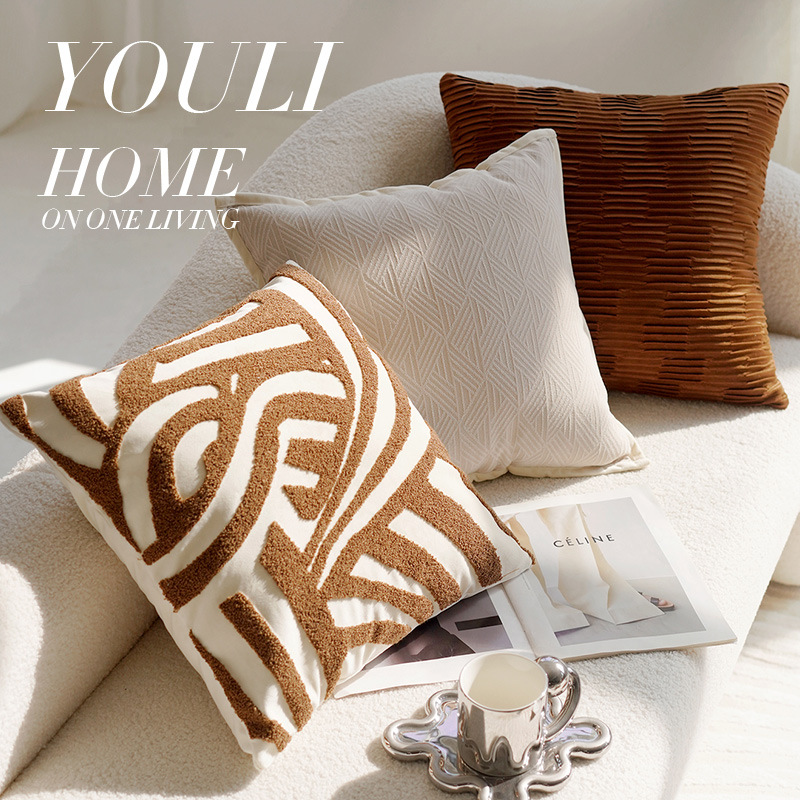
Experiment with combinations of colors, textures, and techniques like embroidery, appliqué, or mixed materials. Embellishments such as buttons or zippers add distinctive flair.