Updatetime:2026-06-17 08:56:14 View:
Throw pillows are a versatile and essential component of interior design. They add color, texture, and comfort to any space, making them a favorite decor choice. Creating your own throw pillows allows for endless customization, from fabric selection to the choice of stuffing. In this in-depth guide, we will walk you through the process of sewing a throw pillow, providing practical advice, expert insights, and creative ideas to ensure your sewing project is successful and satisfying.
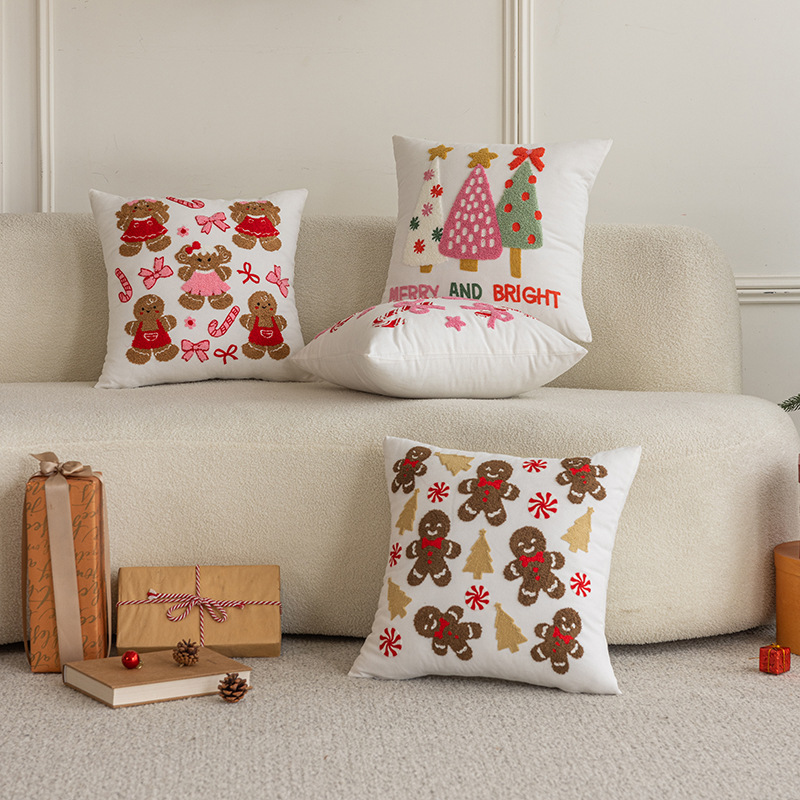
Embarking on a sewing project requires gathering the right materials and tools. Here’s what you will need to sew a throw pillow:
Before purchasing materials, decide on the size of your throw pillow. Standard square pillows often measure 16x16, 18x18, or 20x20 inches. If you prefer a rectangular shape, consider 12x20 or 14x24 inches. Custom sizes can be sewn as well; just remember to adjust fabric and pillow insert dimensions accordingly.
Once you’ve selected and purchased your fabric, wash and iron it to pre-shrink and eliminate any wrinkles. This ensures that your pillow will retain its shape after washing and that you have an easier time working with the material.
Using a measuring tape, mark your fabric to the desired pillow size, adding an additional 1 inch to each side for seam allowances. For instance, for an 18x18-inch pillow, cut two fabric squares of 19x19 inches each.
Position the two fabric pieces together with the right sides facing each other. Pin them in place to prevent shifting while you sew.
Using your sewing machine, create a seam along three sides of the pillow, leaving a 0.5-inch seam allowance. On the fourth side, sew each end, but leave an opening large enough to insert the pillow form or stuffing later. Backstitch at the beginning and end of your stitches to secure the seams.
Trim excess fabric at each corner without cutting the stitches. This will allow your pillow corners to appear sharp and less bulky when turned right side out.
Reach into the opening and carefully turn the pillow cover right side out. Use an object like a chopstick or the end of a spoon to gently push out each corner for crisp edges.
Insert your pillow form through the opening. If using loose filling, stuff the pillow evenly to achieve your desired level of fullness. Take care to distribute the filling to avoid lumps.
To finish your pillow, hand-stitch the opening closed using a needle and thread. A slip stitch is recommended for an almost invisible seam. Knot securely and trim excess thread.
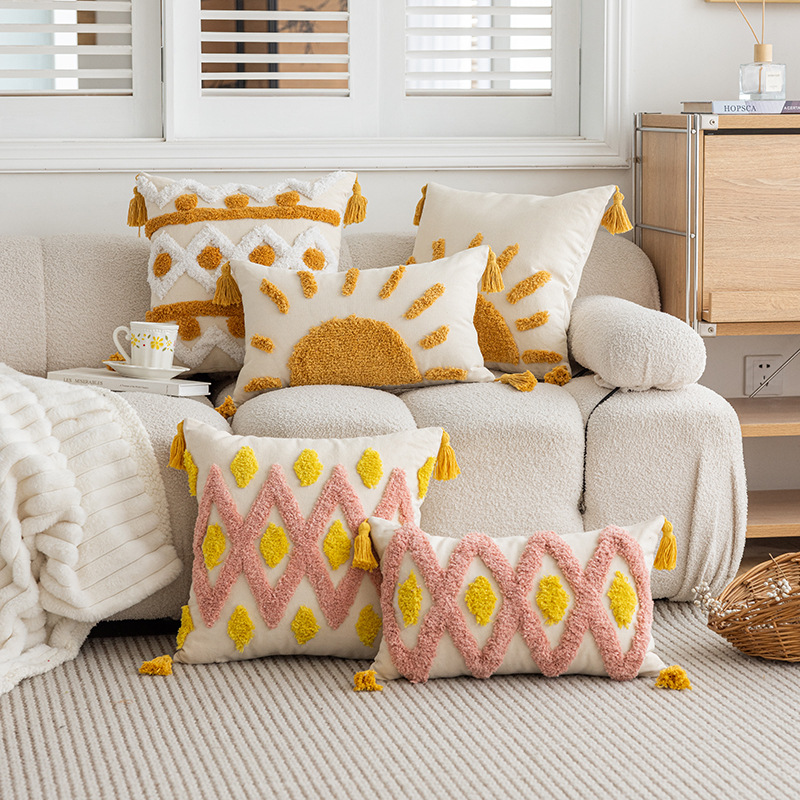
Customize your throw pillow by adding embellishments such as pom-poms, tassels, or piping. Sew them onto the edges for added texture and style.
If you prefer a removable cover, consider adding a zipper, buttons, or Velcro to the open side for easy removal and washing.
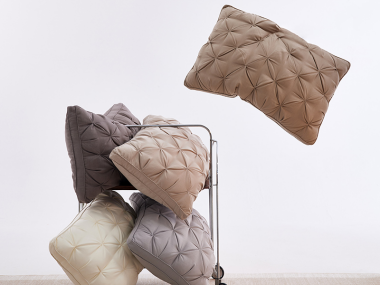
Tie-dye, fabric paint, or embroidery are excellent methods to give your pillow a unique touch. Experiment with fabric manipulation techniques like pleats or ruching for a sophisticated look.
Ensure even seams by using a consistent stitch length on your sewing machine. A medium-length stitch is suitable for most pillow projects.
Press all seams flat as you sew for a polished appearance. This not only enhances your pillows' look but also makes sewing easier.
Use a needle size appropriate for your fabric type. Heavier fabrics require thicker needles, while lightweight fabrics need finer needles.
Sewing a throw pillow is a rewarding and creative endeavor. Whether you're an experienced seamstress or a novice, the process offers an opportunity to personalize your space with custom-made decor. By following this comprehensive guide, you'll be able to craft beautiful throw pillows that reflect your personal style and enhance the comfort and aesthetic of your home. With practice and creativity, the possibilities become endless, turning fabric, thread, and ingenuity into delightful home accents.