Updatetime:2026-06-11 08:31:37 View:
Pillow inserts are essential components of any decorative cushion or pillow set. They provide the structure, comfort, and aesthetic appeal that make pillows a much-loved part of home décor. However, finding the perfect pillow insert starts with accurate measurements, ensuring you get the right fit and achieve the desired look and feel for your pillows.
If you’ve been wondering how to measure for pillow inserts the right way, this article will guide you through the process with practical, actionable advice. By addressing common mistakes and offering insights, you’ll learn how to measure dimensions, select optimal sizes, and ensure your space looks professionally styled.
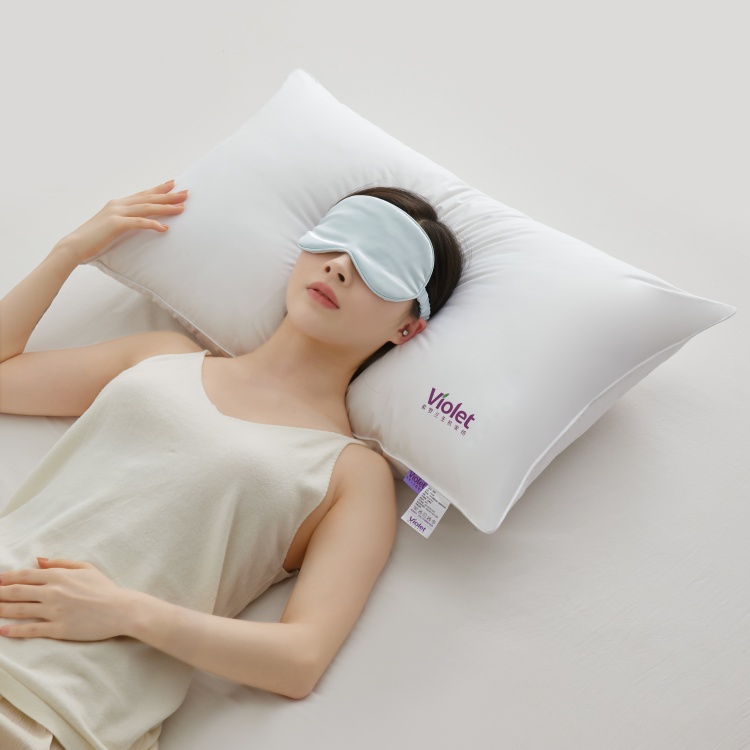
It's easy to underestimate the importance of accurate pillow measurements. Some people think any size insert will do, but a poorly fitting insert can lead to a misshapen, limp, or overstuffed pillow, which diminishes both comfort and aesthetics. By taking the time to measure your pillow insert correctly, you ensure:
Clearly, accurate measurements benefit both the functionality and look of your pillows, no matter how you intend to use them.
Before you begin measuring, you’ll need a few basic tools:
Ensure the measuring tape is in good condition, as kinks or stretching could lead to inaccuracies in your measurements.
One of the most important things to understand as part of the measurement process is how pillow cover sizing relates to pillow insert sizing. While pillow covers are the fabric shell, the inserts are the filling inside. Often, the insert size differs slightly from the cover size to achieve a properly stuffed look.
Getting this ratio right is key to ensuring your pillows look full and inviting without appearing overstuffed.
In most cases, it’s easiest to measure the pillow cover rather than the pillow insert if you are replacing an old insert or purchasing a new insert for an existing cover. To calculate the appropriate pillow insert size, use the following method:
Write down the measurements and label them for easy reference. For instance, a standard square pillow cover might measure 18x18 inches.
If you already have a pillow insert and are trying to replace it, measuring an existing insert is just as simple. Again, lay the pillow flat and follow these steps:
If your measurement falls between two sizes, it’s best to round up to the nearest inch. This ensures the pillow doesn’t sag or appear understuffed.
Once you’ve measured your pillow cover or insert, there are additional factors to consider before purchasing a pillow insert:
The loft (or thickness) of the pillow and the fill material directly affect the final aesthetics and comfort level of the pillow. Common fill materials include:
Choose a fill material that aligns with your desired look and intended use for the pillow.
Are your pillows decorative, functional, or both? Decorative pillows (such as throw pillows) can often use fuller inserts for a more sculpted shape, while functional pillows (like those used for sleeping) require inserts optimized for comfort. Answering this question will help you decide the firmness and size of the insert you need.
When selecting a pillow insert, it’s important to think about potential allergies caused by certain fill materials. Look for hypoallergenic options, such as synthetic down or a specially-treated insert, to ensure comfort and safety for allergy-sensitive users.
Proper care can prolong the lifespan of your pillow inserts and ensure they continue performing well over time. Follow these tips for maintenance:
If your insert is smaller than the cover, the pillow will appear underfilled and limp. This can significantly detract from the overall appearance and usability of the pillow.
Yes, the same principles apply, but ensure you measure the longest and widest points for irregular shapes. For cylinder-shaped inserts, consider measuring the circumference in addition to the height and diameter.
Decorative pillow inserts come in various sizes, but common options include 16x16 inches, 18x18 inches, and 20x20 inches. Choose a size that complements your furniture and space while following the guidelines explained earlier.
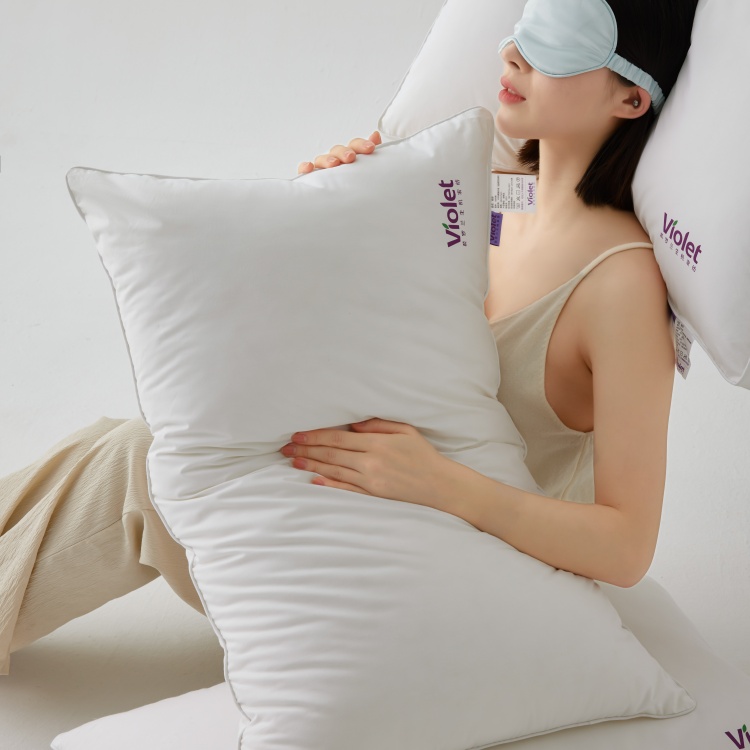
Measuring for pillow inserts is a straightforward but important task that can significantly impact the aesthetics and comfort of your living space. By following the tips and methods outlined above, you can confidently select the right size and material for your pillow inserts, ensuring a perfect fit every time.
Whether you’re updating your existing pillows or investing in new ones, accurate measurements will save you time, effort, and money, while enhancing the overall look and feel of your home. So gather your tools, measure precisely, and enjoy the rewards of perfectly styled pillows that elevate your interiors.