Updatetime:2026-06-11 08:28:44 View:
Understanding how to measure a pillow insert correctly is essential for achieving a seamless fit between your pillow cover and pillow insert. Whether you are in the business of selling pillows, sourcing materials, or decorating a space, accurate measurements ensure the appearance, comfort, and durability of your pillow products. In this comprehensive guide, we will explore why proper measurement matters, explain the process step by step, cover different dimensions and factors, and offer actionable advice to streamline the measuring process.
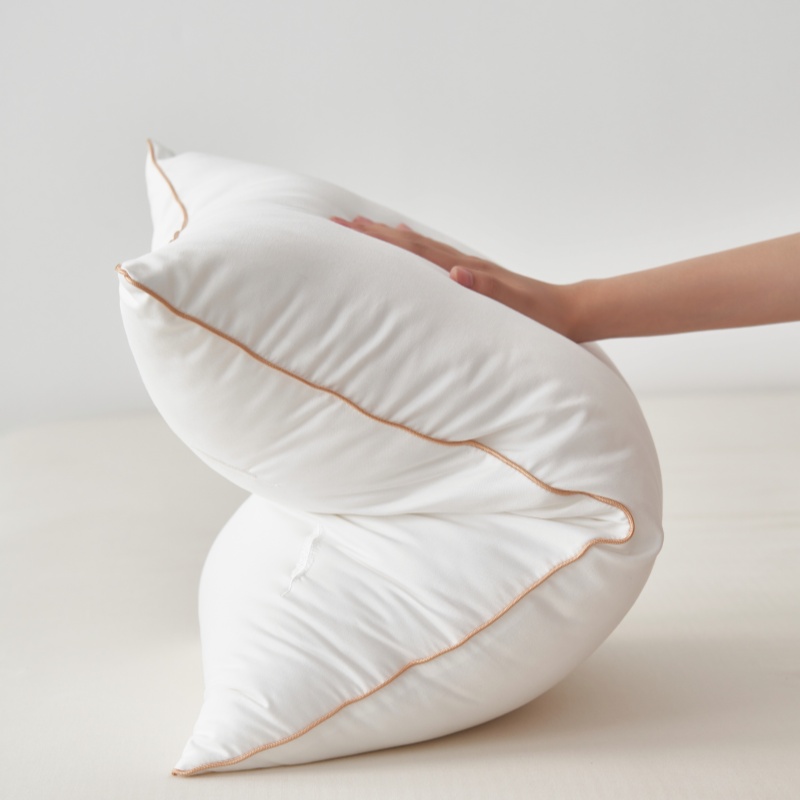
The measurement of a pillow insert is not something to overlook. Improper sizing can lead to issues such as wrinkled pillow covers, insufficient support, or a lumpy appearance, all of which can degenerate the aesthetic of a space or the experience of using the product. For businesses, ensuring the accuracy of measurements can reduce returns and complaints from customers and improve satisfaction overall.
By measuring correctly, you also guarantee the right proportion of firmness and fluffiness in a pillow, which enhances usability. Furthermore, precise measurements save time during production and quality control, ensuring that the end product meets expectations every time.
Before diving into advanced details, it’s important to cover the essential method of measuring a pillow insert. Pillow inserts are typically measured from seam to seam, but there are nuances to consider depending on the type of pillow and shape of the insert. Here are the fundamental steps every professional or consumer should follow:
Before you begin measuring, you’ll need some basic tools to ensure accuracy:
To obtain consistent measurements, ensure that the pillow insert is evenly distributed. Fluffiness can distort the measurement process. Smooth out any lumps or uneven areas so the insert lies flat against the surface you’re working on.
Hold the fabric measuring tape and stretch it along the center of the pillow insert from one side to the opposite side. Always measure seam to seam rather than across the curves. For square or rectangular inserts, measure the height and width separately. Record both dimensions for reference.
If your pillow insert has depth (e.g., a thicker, sculpted design), measure the thickness by standing the pillow on its edge and measuring vertically across its depth. This step is especially important for insert types such as bolster pillows or box pillows.
Pillow inserts come in a variety of shapes—square, rectangular, circular, bolster, and novelty designs. The method of measurement can vary slightly based on the shape and structure. Let’s break down how each is measured:
This is the most common pillow shape. To measure a square pillow insert, record both its height and width by lining up the fabric measuring tape from seam to seam across two sides. Repeat the process to confirm consistency.
Similar to measuring square inserts, rectangular pillows require you to measure both the width (shorter side) and height (longer side). Ensure that the insert is fully flat, as uneven stuffing can distort measurements.
When measuring a round pillow insert, you’ll need to find the diameter. First, flatten the pillow and locate the widest part of the circle. Stretch the measuring tape across the entire diameter and jot it down. For added accuracy, measure in two different directions and calculate an average.
Bolster pillows are cylindrical and therefore require two types of measurements—the length and diameter. Measure the length of the cylinder from one end to the other. Then measure the diameter of one circular end. Always record both values to ensure measurements are comprehensive.
For speciality pillows shaped like stars, hearts, or customized forms, the measurement process involves finding the longest dimensions. Lay the pillow flat and measure the tallest height and widest width. Additionally, consider marking multiple points around unique shapes for accuracy.
While measuring a pillow insert might seem straightforward, there are several practical strategies to ensure precision every time:
In the context of international trade, measurement accuracy becomes even more important due to standard pillow sizes differing across regions. For example, a square pillow size in one country may differ slightly in height or width from another. Exporting these inserts means ensuring they comply with the receiving country's standard dimensions.
Here’s how to adjust measurements for trade purposes:
Sometimes, measurement inaccuracies or complications can arise. Here are solutions to the most common problems:
Solution: Recheck the measurements of the pillow insert against the cover. If the discrepancy is significant, consider fluffing the insert more thoroughly or switching to a denser option that fills gaps more effectively.
Solution: Spot uneven bloating by pressing on exaggerated areas. Redistribute the stuffing or fill in empty spaces using additional material before measuring.
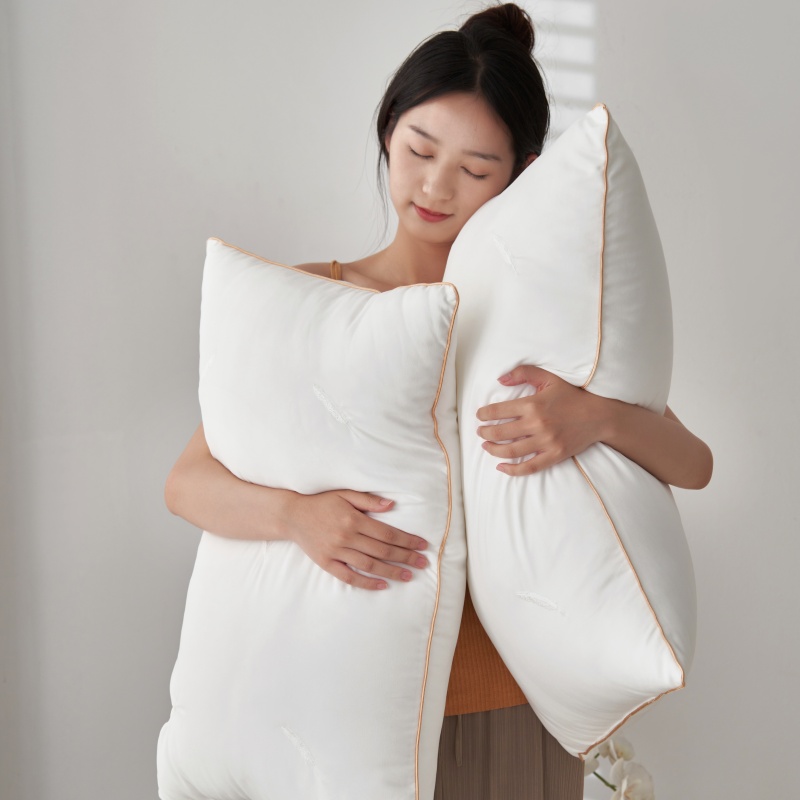
Accurate measurement of pillow inserts is vital for anyone involved in purchasing, selling, or using these items. By following the methods and tips outlined above, you can ensure that every pillow insert matches its intended cover perfectly, enhancing both the aesthetic and functional aspects of the product.
Whether measuring a square, rectangular, round, or novelty pillow, always prioritize precision and consistency. With a well-measured pillow insert, you elevate the quality of the final product and gain customer satisfaction, which is invaluable in any industry.