Updatetime:2026-06-10 14:11:06 View:
From luxurious hotel rooms to cozy bedrooms, pillows play a crucial role in delivering comfort and enhancing interior aesthetics. Whether you’re considering starting your own pillow manufacturing business or are just curious about the production process, understanding how pillows are manufactured can help you appreciate their construction and design while identifying potential areas for innovation and improvement. This guide will walk you through everything you need to know about pillow manufacturing, from material selection to quality testing, packaging, and more.
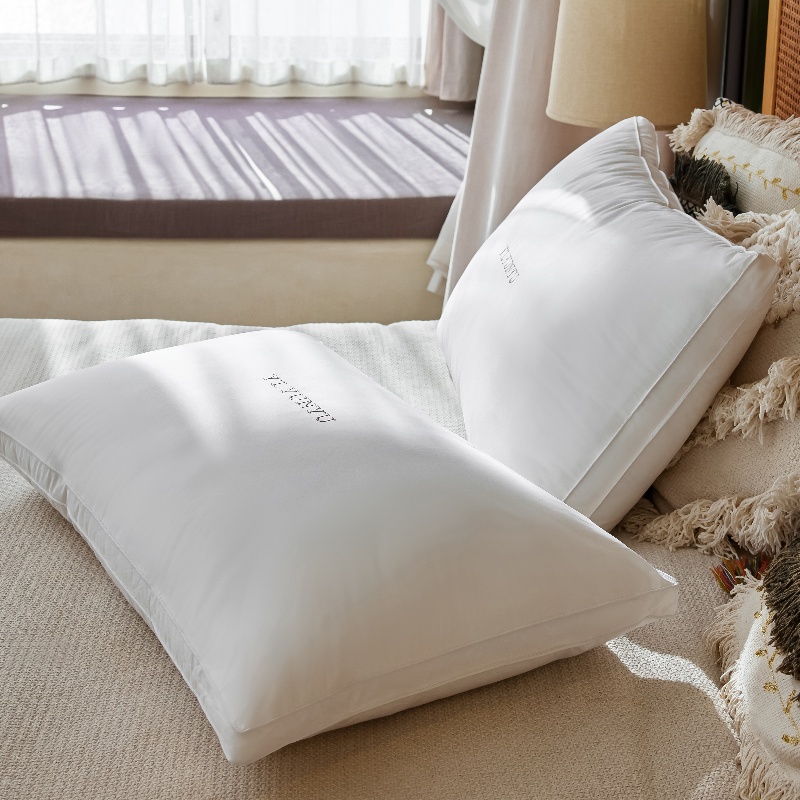
Pillows serve both functional and decorative purposes. On one hand, they provide neck and head support to ensure restful sleep and reduce pressure points. On the other hand, they enhance the aesthetic appeal of a room, acting as design focal points in bedding and furniture setups. Manufacturing high-quality pillows is key to customer satisfaction, as these products directly impact sleep quality and ergonomic well-being.
To successfully manufacture pillows, you need an understanding of their basic structure. A pillow typically consists of two main components:
The filling material is what gives the pillow its shape, comfort, and functionality. The choice of filling depends on the target audience and application. Common types of fillings include:
The outer layer of the pillow, also known as the case or shell, protects the filling inside. It affects the feel and durability of the pillow. Common materials for the cover include:
Pillow manufacturing involves several stages. The exact workflow may vary depending on the type of pillow being manufactured, but the general steps remain consistent:
The first step in pillow manufacturing is sourcing the appropriate materials for the filling and cover. Conduct research to identify suppliers that deliver consistent quality and ensure the materials meet health and safety standards. For instance, eco-conscious customers may prefer pillows made with organic fibers or recycled materials.
The fabric for the pillow cover needs to be cut into the required size and shape. This process often involves the use of templates or automated cutting machines to ensure precision. Companies may also pre-treat the fabric to improve durability, softness, or stain resistance.
The edges of the fabric are sewn together to create the shell or case. This step involves stitching three sides of the cover, leaving one side open for inserting the filling. Advanced sewing machines or skilled craftsmanship ensure perfect seams and minimize defects, like fraying edges.
The chosen filling material is then inserted into the pillowcase. For this step, manufacturers often use specialized stuffing equipment to ensure even distribution. The filling density is carefully monitored based on product design and customer preferences, as an overly stuffed or under-stuffed pillow can affect comfort and functionality.
Once the filling is placed inside, the open end of the pillow is stitched or sealed. This may include techniques such as hand sewing, machine stitching, or using zippers for removable covers. Decorative pillows may also feature additional trim, buttons, or tassels as part of their finishing.
Quality control ensures that the pillows meet ergonomic design standards and durability requirements. Tests may include:
Some manufacturers also conduct washing and drying tests to confirm colorfastness and structural integrity when exposed to regular usage conditions.
Packaging is a critical element in pillow manufacturing as it protects the product during storage and transport. Manufacturers often use vacuum-sealed bags or plastic coverings to conserve space and prevent dust accumulation. Attractive labeling, including branding, care instructions, and product specifications, boosts the appeal to customers.
The final step involves shipping the pillows to their destination, whether it’s a warehouse, retail store, or directly to customers in the case of e-commerce. Proper logistics and distribution channels ensure timely delivery.
When manufacturing pillows, several critical factors must be kept in mind:
A successful pillow manufacturing business caters to specific customer requirements. Research your target audience to understand trends such as ecofriendly demand, orthopedic needs, or preferences for decorative pillows.
Ensure adherence to regulations regarding hypoallergenic materials and chemical safety standards. Customers are increasingly wary of products containing harmful substances.
Sustainable manufacturing is no longer optional. Use eco-friendly sourcing methods and explore recyclable or biodegradable materials for greater appeal among environmentally conscious consumers.
Innovating in design can set your product apart. Examples might include adjustable firmness pillows, temperature-regulating materials, or custom-shaped cushions.
Pillow manufacturing is a rewarding venture, but it comes with its share of challenges. Here are some common obstacles and actionable advice for overcoming them:
In addition to producing high-quality pillows, you need to market them effectively to reach your target customers. Consider these strategies:
Engage with customers on platforms like social media, blogs, and influencers for product visibility.
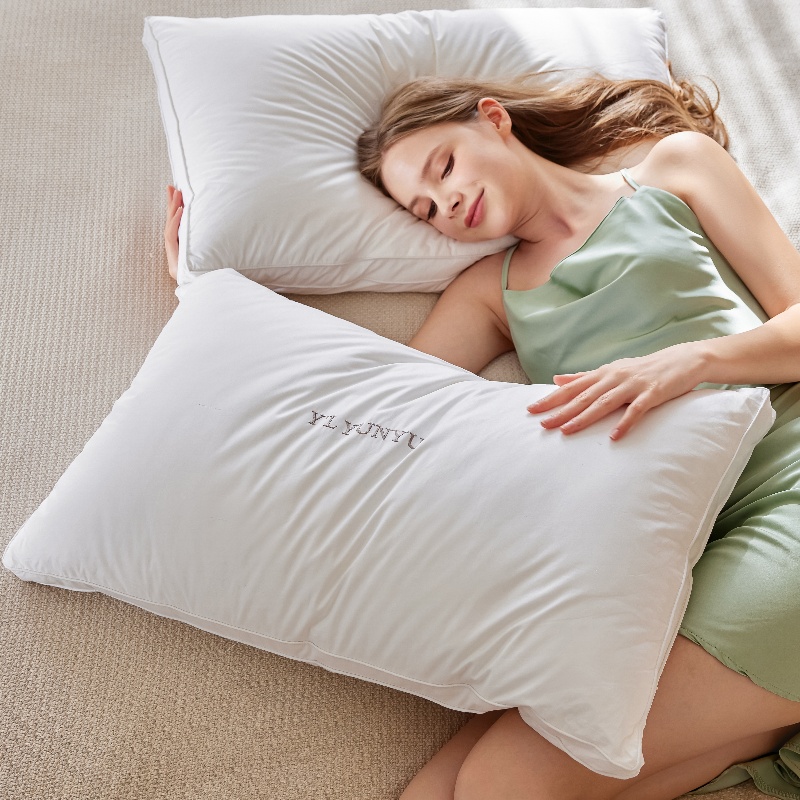
Manufacturing pillows is an intricate process that combines creativity and engineering. From selecting the right materials to adhering to quality standards and delivering on comfort, every step matters in crafting the perfect pillow. Whether you plan to enter the global pillow market or simply expand your product range, this guide offers the fundamental insights to ensure efficient production and a competitive edge. With careful planning, dedication, and innovation, you can bring unparalleled comfort to your customers and build a successful pillow manufacturing business.