Updatetime:2026-06-11 08:33:58 View:
Choosing the right pillow insert is crucial in achieving a perfect balance between comfort and aesthetics. Whether you’re a home decor enthusiast, a designer, or a retailer in the textile market, understanding the process of measuring pillow inserts is a fundamental skill. Accurate measurements ensure that pillow covers fit snugly and maintain their shape, while providing the desired comfort. This article will guide you through each step of the measurement process, offering detailed tips and insights to meet all your requirements.
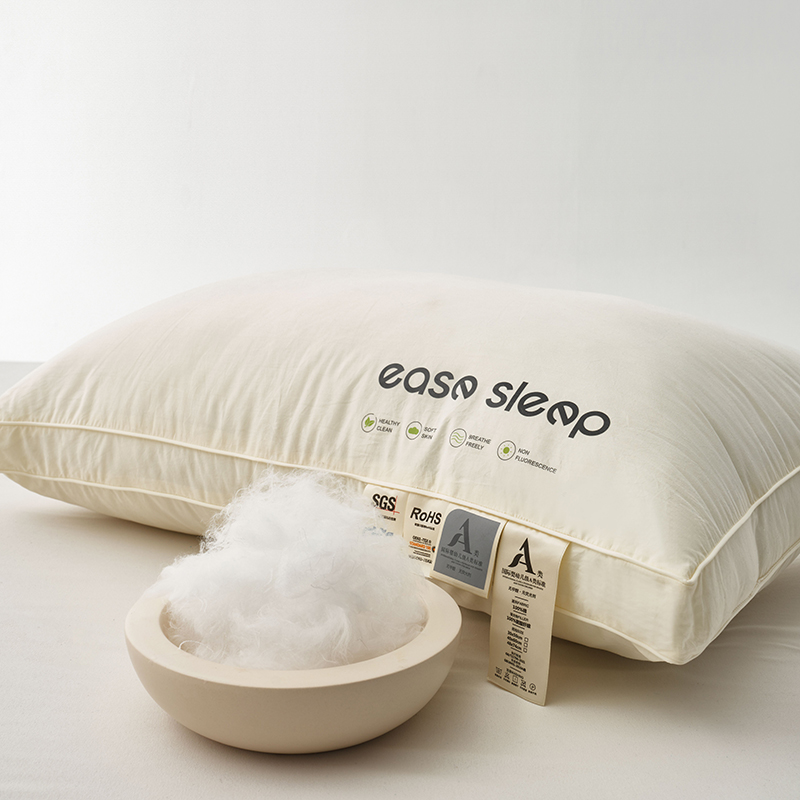
An incorrectly sized pillow insert can lead to multiple issues. You may experience saggy pillowcases, bulging corners, or an insert that feels overstuffed and uncomfortable. Such problems can detract from the visual and practical appeal of the product, especially if you’re selling or showcasing the pillows professionally. By learning how to measure inserts properly, you ensure customer satisfaction and quality assurance. Additionally, a perfectly sized pillow insert will enhance the overall look and feel of your space.
Before you start measuring, gather the following items to ensure an accurate and smooth process:
Ensure the pillow insert is on a flat surface without folds or wrinkles. This step is essential to avoid discrepancies and distortion. If the insert is lumpy or uneven, fluff it gently and smooth out any creases before starting.
Using a flexible measuring tape, measure the pillow insert horizontally from edge to edge for the width. Repeat the same process vertically for the height. Note that these measurements should be taken at the widest points of the insert.
It’s important to measure along the pillow's edges rather than across the center, as the latter may not represent the true dimensions. Write down these measurements in a clear and organized format.
The depth refers to the thickness or loft of the pillow insert. To measure depth, gently press the insert to flatten it slightly (without overstretching) and measure from the front to the back. This measurement is critical for choosing pillow covers with gussets, which accommodate thicker inserts. If depth is irregular due to lumps or uneven stuffing, take multiple measurements at different points and calculate the average.
Pillow inserts come in various shapes such as square, rectangle, round, and specialty shapes like bolster or kidney pillows. For non-standard shapes, measure each dimension (e.g., circumference for round inserts) to get precise sizing. For cylindrical inserts like bolsters, measure the length and diameter.
When dealing with irregularly shaped inserts, always cross-check the manufacturer’s recommended sizing to ensure you’re working with the right specifications.
It’s common in the pillow industry for insert sizes and cover sizes to differ slightly. For instance, to achieve a plump, luxurious look, designers often suggest using inserts that are 1-2 inches larger than the pillow cover. However, the specific difference can vary based on the material, design style, and custom preferences.
Ensure that you understand the terminology used by suppliers and manufacturers. A label saying ""18x18 pillow insert"" typically means the width and height are approximately 18 inches each, but this doesn’t account for the depth or loft.
Below are guidelines on standard sizes and their ideal applications:
Consistency is key when measuring pillow inserts, especially if you’re handling a larger supply for resale, production, or design purposes. Label each insert properly with its dimensions, and don’t assume standard sizing across all manufacturers, as they may vary slightly. Always measure new stock upon arrival to avoid miscommunication with customers.
Measurements are only one part of the equation. When purchasing pillow inserts, consider the filling material (e.g., down, feather, polyester, or memory foam) and the casing. These factors affect loft, flexibility, and overall comfort, which means your measurements should suit the chosen filling.
If you’re ordering pillow inserts in bulk for retail or projects, request samples to physically measure and test before committing to large quantities. Sampling ensures that the dimensions align with your expectations and requirements.
Determine the purpose of the pillow insert. Are they for decorative use, firm back support, or plush lounging? Choose sizes that accommodate your goals. For instance, decorative inserts can afford tighter covers for a firm, structured look, while lounging inserts should have plenty of loft and softness.
The following errors are pitfalls that can disrupt proper sizing:
Not accounting for cover styles: Flanged or gusseted covers may require adjustments in insert sizing.
Measuring pillow inserts accurately is an essential skill, whether you're customizing your home decor, designing pillow covers for resale, or ordering stock for business purposes. Proper measurements eliminate inconsistencies, enhance user experience, and ensure a polished finish. By following the step-by-step guide, considering shape variations, and avoiding common mistakes, you’ll be well-equipped to master this fundamental task.
Remember, attention to detail is the hallmark of quality craftsmanship and professionalism. Take time to measure carefully and consider all dimensions to deliver products or results that truly impress, whether at home or in the marketplace.