Updatetime:2026-06-10 13:52:49 View:
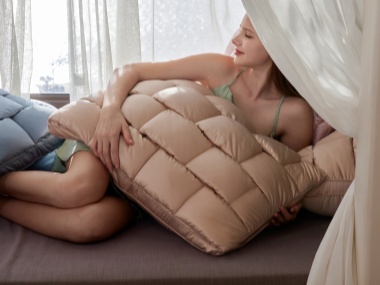
Decorative pillows are a fantastic way to add personality and comfort to any living space. Their versatility allows them to transform a room’s ambiance or provide a pop of color and texture to your furniture. While you could easily purchase decorative pillows from a store, making them yourself offers a level of customization and personal touch that commercial products simply can't match. In this guide, we will delve into the myriad dimensions of crafting your own decorative pillows, giving you valuable insights and actionable advice to help you in every step of this rewarding process.
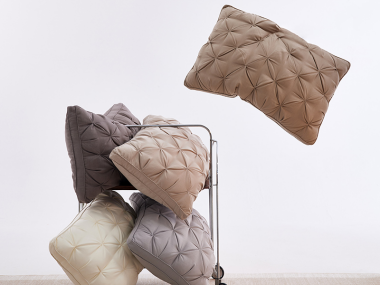
Before we delve into the creation process, it’s essential to understand what makes a decorative pillow stand out. Decorative pillows come in various types, including throw pillows, accent pillows, and bolster pillows. They can serve multiple purposes, such as adding aesthetic value, providing comfort, or serving as conversation starters due to their unique design. The key to a successful decorative pillow lies in selecting the right materials, colors, textures, and patterns that align with your overall interior design theme.
Decorative pillows vary widely in terms of shape and size. Common shapes include square, rectangular, round, and cylindrical (bolster). Square pillows are the most popular and versatile, typically available in sizes ranging from 12x12 inches to 24x24 inches. Rectangular pillows, often used for lumbar support, generally measure around 12x18 inches. Round and bolster pillows add a unique touch and come in various diameters and lengths. Choosing the correct size and shape depends largely on the function and aesthetic effect you seek to achieve.
The choice of materials is crucial to the durability, comfort, and appearance of your decorative pillows. Various fabrics and padding options are available, and each offers distinct benefits.
The fabric you choose greatly influences the look and feel of your decorative pillows. Common fabric choices include cotton, linen, velvet, silk, and wool. Cotton and linen are breathable, making them suitable for warmer climates. Velvet and silk provide a luxurious touch and are excellent for cooler environments. Wool is durable and adds a cozy feel, perfect for rustic or traditional settings.
When it comes to pillow fillings, options include foam, polyester, down, and synthetic down alternatives. Foam retains its shape well and is ideal for support. Polyester is cost-effective and provides a soft feel. Down filling, made from the plumage of ducks or geese, offers unrivaled softness and comfort, although it may require special care. Synthetic down alternatives mimic the feel of natural down, providing enhanced durability and hypoallergenic benefits at a lower price point.
Design is where you can let your creativity and personal style shine. Consider color, pattern, texture, and embellishments when designing your pillows.
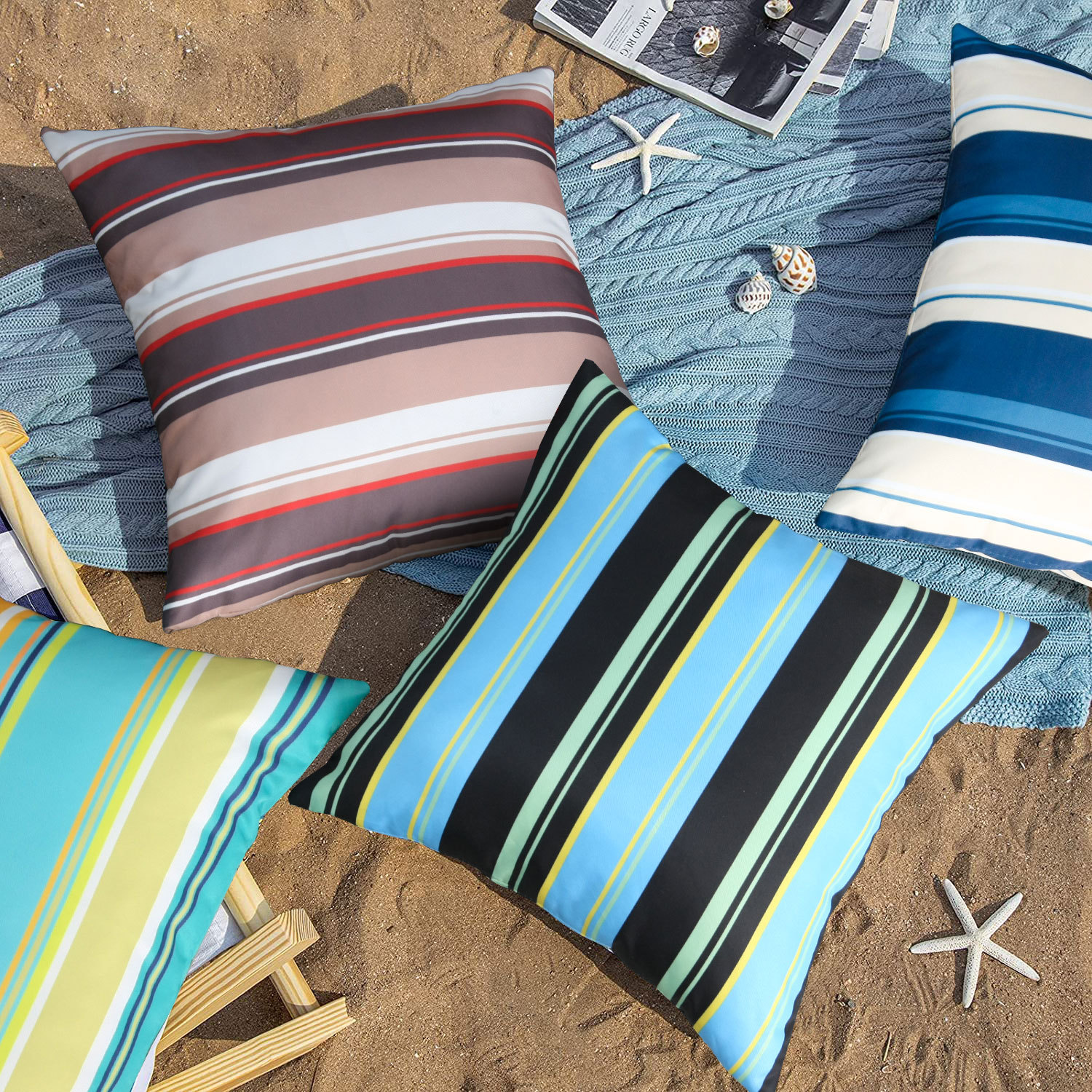
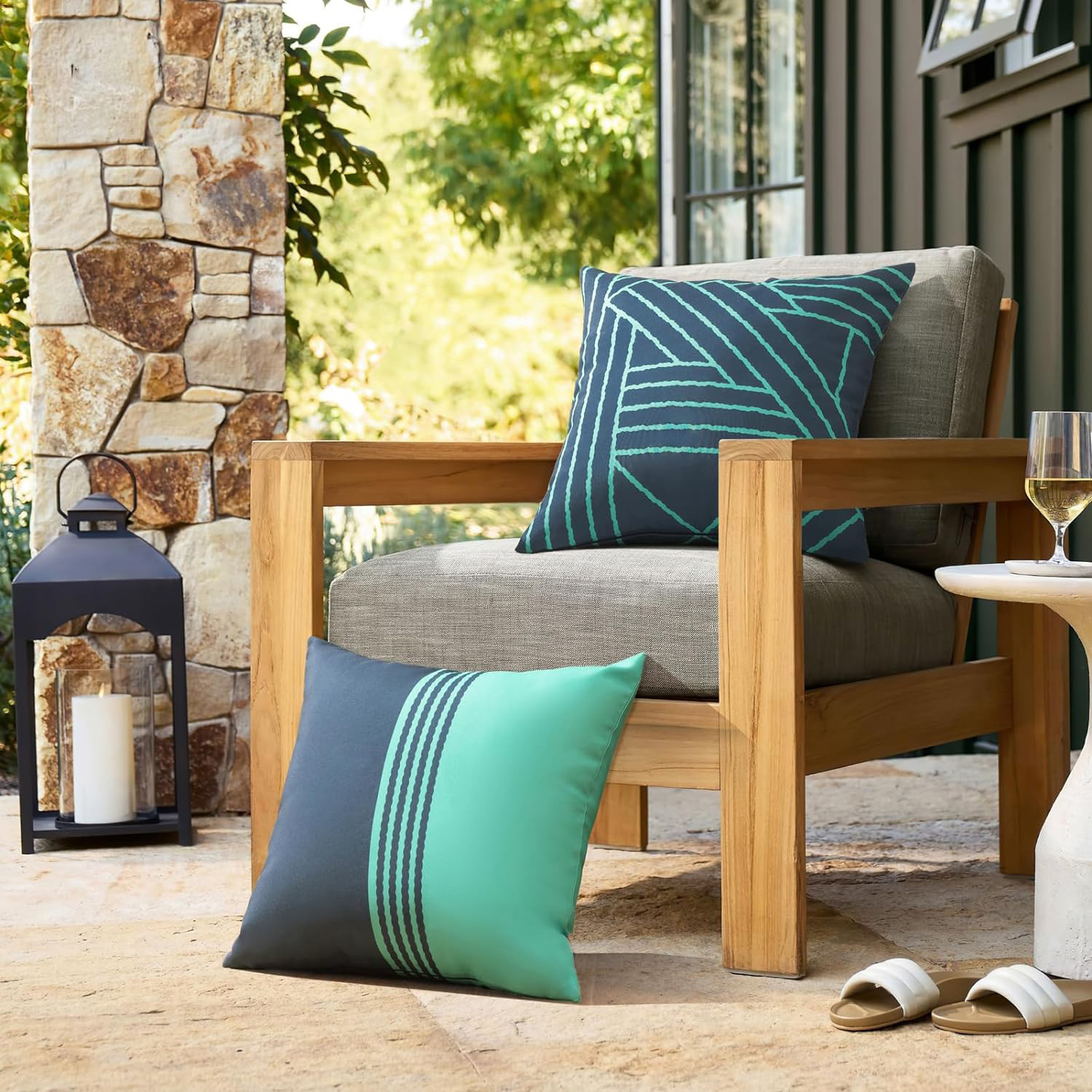
When picking colors, consider the overall palette of your space. Complementary or analogous color schemes can create harmony, whereas contrasting colors can provide a striking visual effect. Patterns such as stripes, florals, geometric designs, or ethnic prints offer additional interest. It’s important to balance patterned pillows with solid ones to avoid overwhelming your space.
In addition to color and pattern, texture plays a significant role in the visual and tactile appeal of decorative pillows. Mixing textures like smooth silk with rough burlap or plush velvet can create a dynamic look. Embellishments such as buttons, embroidery, and appliqués can personalize your pillows further, adding depth and dimension.
The construction phase involves sewing and assembling the chosen materials into a finished product. Here’s a step-by-step approach:
Before you start, gather all the necessary supplies, including fabric, thread, a sewing machine or needle, scissors, pins, and your chosen filling. You may also need fabric embellishments, depending on your design.
1. Cut the fabric according to the desired shape and size of your pillow.
2. Pin the fabric pieces together, ensuring patterns align if applicable.
3. Sew the fabric pieces using a straight stitch, leaving a small opening for stuffing.
4. Trim excess fabric and finish seams to prevent fraying.
Insert the selected filling into the sewn fabric casing. Ensure even distribution for a plump appearance. Once satisfied, sew the opening closed with a neat, hidden stitch.
To maintain the longevity and aesthetic of your decorative pillows, regular care is essential. Here are some tips:
Different materials require different cleaning methods. Always follow the fabric care instructions. Most cotton and polyester fabrics can be machine washed on a gentle cycle. Velvet and silk may need professional cleaning, while wool should be hand washed or dry cleaned.
Regularly fluff pillows to maintain their shape, particularly those with down or fiber fillings. Rotate pillows to distribute wear evenly, and consider storing seasonal pillows in a cool, dry place to preserve their vibrancy.
Creating decorative pillows from scratch can be a rewarding endeavor that taps into your creativity and enhances your home’s decor. By understanding the different types, materials, designs, construction techniques, and care methods, you can craft personalized pillows that perfectly suit your style and space. With the insights and steps provided in this guide, you are equipped to embark on your pillow-making journey. Whether you’re accentuating a room’s aesthetic or adding a touch of comfort, your custom-made decorative pillows will surely become cherished elements of your home. Happy crafting!