Updatetime:2026-06-10 13:50:26 View:
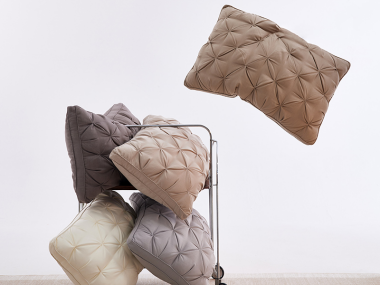
The art of crafting decorative pillow covers is a delightful endeavor that combines creativity, practicality, and personal expression. Whether you're looking to refresh your living space or venture into the world of home decor retail, understanding the processes and techniques involved in creating appealing pillow covers can offer a rewarding and fulfilling experience. This comprehensive guide will explore various dimensions of pillow cover creation, providing practical advice and insights to meet diverse needs.
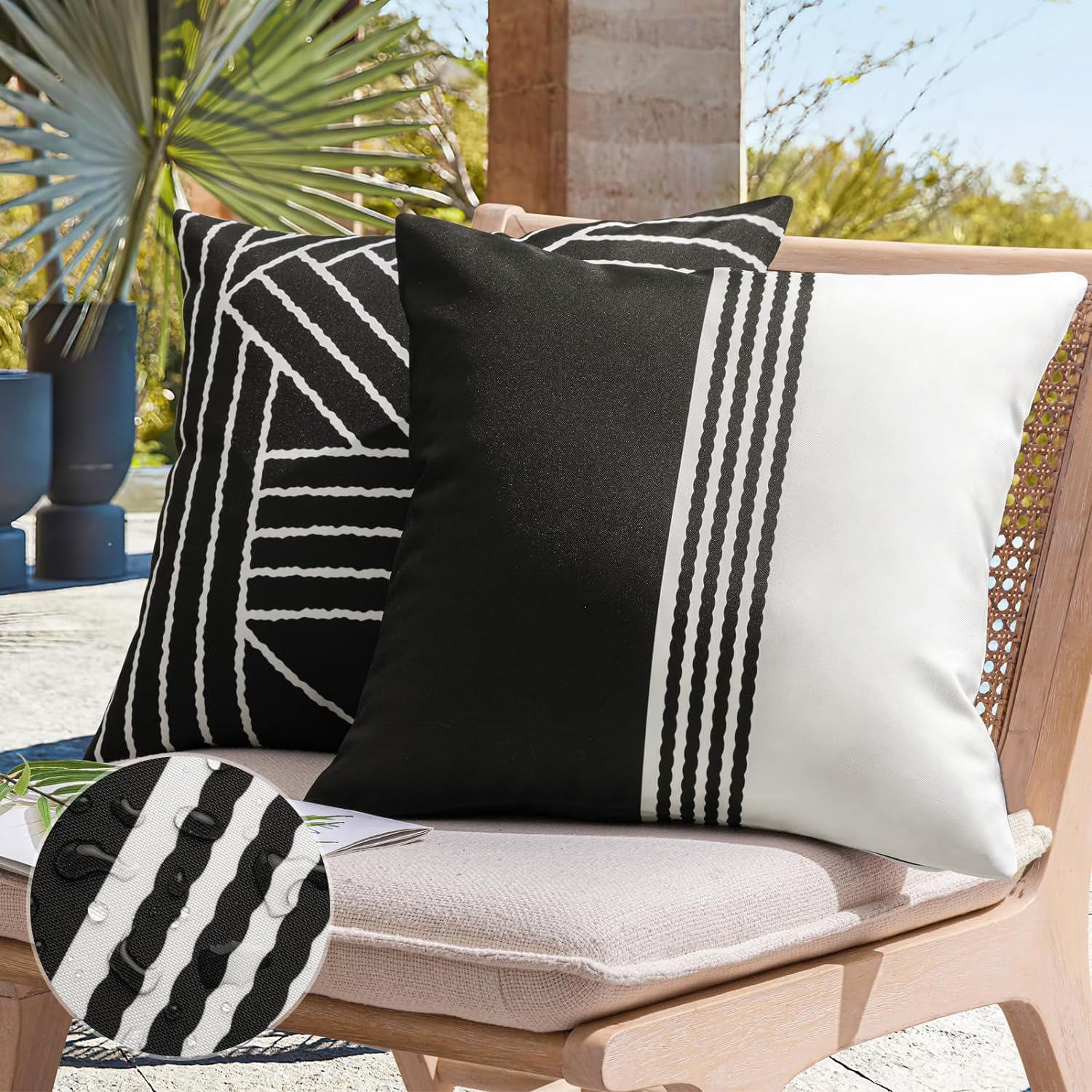
Decorative pillow covers serve as an integral element in home decor, setting the mood and enhancing the aesthetic of any room. Their versatility allows homeowners to effortlessly change the vibe of their living space with minimal commitment. As we embark on this journey of crafting decorative pillow covers, it's essential to grasp the fundamental aspects:
Choosing the right fabric is paramount in the process of making pillow covers. Consider factors such as durability, texture, color, and pattern. Common fabric choices include cotton, linen, velvet, silk, and synthetic blends. Each material offers distinct advantages:
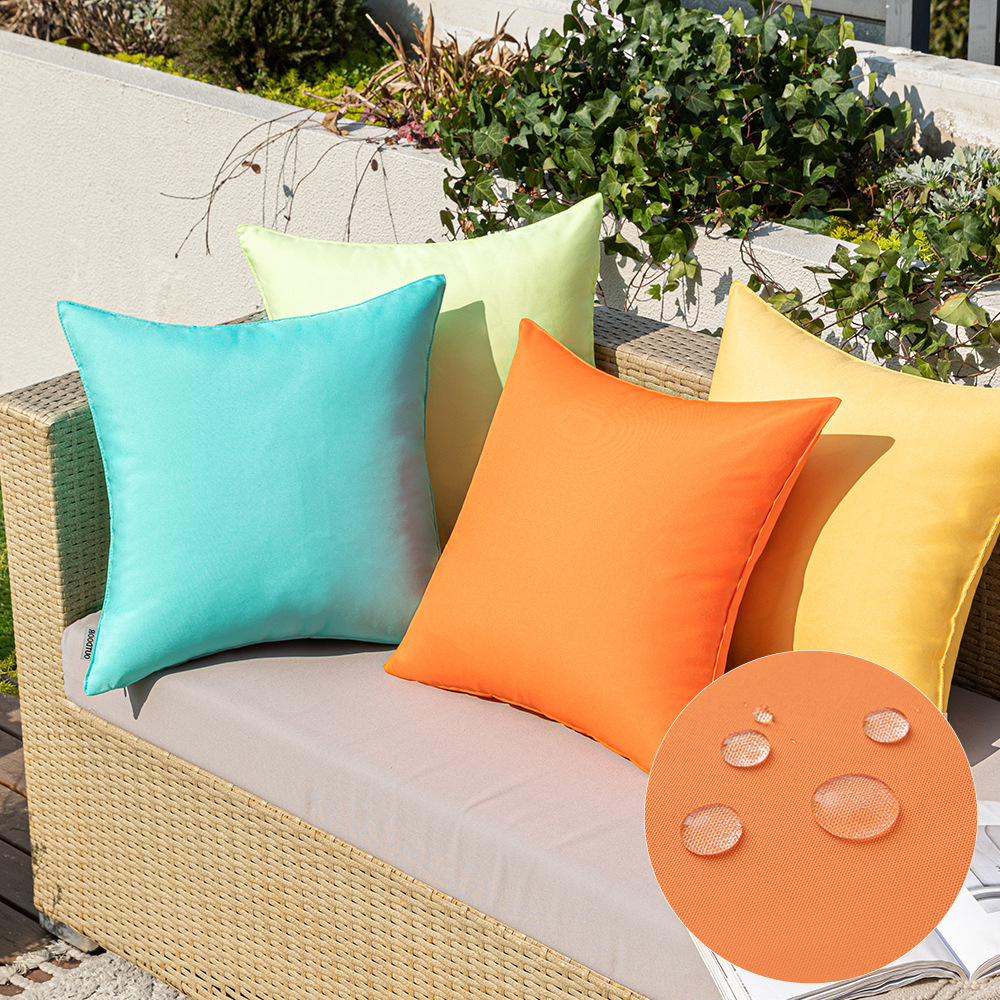
The color and pattern of your pillow covers should complement the existing decor. Neutral tones offer versatility, whereas bold colors can create focal points. Patterns ranging from floral and geometric to abstract and minimalist can define the decor theme, enhancing the overall ambiance.
Before initiating the crafting process, ensure you have accurate pillow measurements. Standard sizes include square (e.g., 18""x18"", 20""x20"") and rectangular (e.g., 12""x20""). Measure your pillows carefully to allow adequate seam allowance and ensure a perfect fit.
Creating your own decorative pillow covers can be broken down into systematic steps. Each phase warrants careful attention to detail, ensuring your finished product meets the highest standards of quality and attractiveness.
Start by sketching your design ideas on paper or using digital tools. Consider the setting and ambiance you wish to create. Elements to consider include:
Having the necessary materials on hand is crucial for a smooth crafting process. Essential items include:
With your materials prepared, proceed with cutting and sewing:
Applying the final touches can significantly enhance the overall quality and appearance of your decorative pillow covers:
Before completing your project, thoroughly inspect the pillow covers for any loose threads, uneven stitching, or discrepancies in design. Make necessary adjustments to ensure each piece meets your quality standards.
Consider adding embellishments such as tassels, fringes, or piping to enhance visual interest. Personalizing embellishments can add a unique touch and elevate the design.
If you're considering marketing your decorative pillow covers, understanding industry dynamics and marketing strategies can be advantageous. Here are some insights:
Determine your target audience based on demographics, preferences, and purchasing power. Potential markets include home decor enthusiasts, interior designers, and homeowners looking for unique decor elements.
Leverage digital platforms and online marketplaces to reach a wider audience. Employ social media marketing, content creation, and email campaigns to engage and attract potential customers. High-quality images and descriptive listings can enhance visibility and sales.
Conduct market research to establish competitive pricing. Consider factors such as material costs, labor, market demand, and unique design elements to set prices that reflect value and attract buyers.
Crafting decorative pillow covers is a multifaceted process that encompasses creativity, attention to detail, and strategic thinking. By mastering the art of pillow cover creation, you not only elevate home decor but also unlock potential opportunities in retail and design. This guide provides a framework that encourages exploration, innovation, and personal expression in the vibrant world of decorative pillow covers.