Updatetime:2026-06-10 13:56:02 View:
Embroidered pillow covers are a beautiful way to enhance the aesthetics of your living space. They provide a personal touch and can elevate the decor of any room by adding color, texture, and artistic charm. This comprehensive guide will walk you through the process of making your own embroidered pillow covers. Whether you're a beginner or an experienced crafter, this article will offer valuable insights and practical advice to guide you through each step of this creative endeavor.

Before diving into the nitty-gritty of making an embroidered pillow cover, it's important to have a good understanding of embroidery itself. Embroidery is the craft of decorating fabric using needles to apply thread or yarn. Modern advancements in embroidery also allow for the inclusion of other materials such as beads, sequins, and pearls to enhance the visual appeal.
There are two primary methods of embroidery: hand embroidery and machine embroidery. Hand embroidery is inherently more personal and offers greater creative control over each stitch, whereas machine embroidery is faster and perfect for uniform patterns.
When planning to create embroidered pillow covers, first gather the necessary materials. Here’s a list of essentials you’ll need to get started:
The next step in making embroidered pillow covers involves creating a design. This is arguably the most exciting and creative part of the process.
Select a design that complements the style of the room where the pillow will be placed. Consider the existing color schemes and patterns to ensure harmony. If you're new to embroidery, it's advisable to start with simple designs and gradually move on to more complex ones as you gain confidence and skill.
Once you’ve finalized your design, it's time to transfer it onto your fabric. You can do this using several methods:
To bring your design to life, you'll employ various embroidery techniques. Here are some commonly used stitches:
Once you’ve embroidered your design, it’s time to construct the pillow cover. This involves a few simple steps:
Ensure that your embroidered fabric is clean and wrinkle-free. Gently wash it if needed, and iron it flat. Be careful not to disturb your stitches.
Cut your embroidered fabric and a backing fabric (such as the same fabric or a coordinating one) to your desired pillow size, adding an extra inch to each side for seam allowance.
With the right sides facing each other, sew around three sides of the fabric using a sewing machine or by hand. Leave one side open to insert the pillow form.
Turn the cover right side out and press the seams. Insert the pillow form through the open side. You can close the seam by sewing it shut, or opt for a zipper or button closure for easy removal and washing.
Organize Your Workspace: Keep your tools organized for an efficient workflow and easy access to supplies.
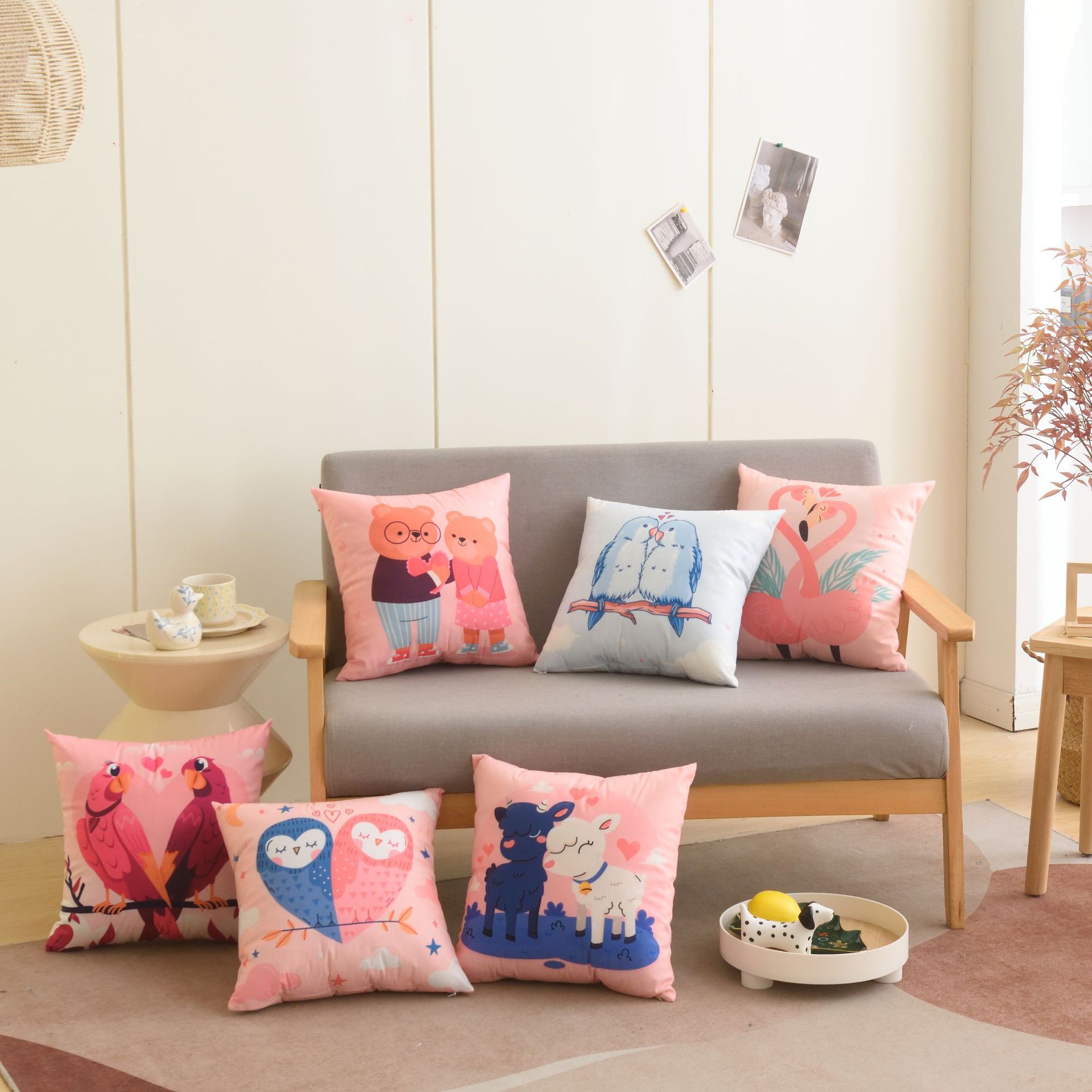
Creating your own embroidered pillow covers is a rewarding and fulfilling process. It allows you to express your creativity while adding personal flair to your home decor. By understanding basic embroidery techniques, planning your design, and executing the steps with care, you can craft pillow covers that are not only functional but also piece of art.
Regardless of your skill level, embrace the process as a journey of learning and creativity. As you gain confidence and proficiency, you can experiment with more intricate designs, different fabrics, and additional embellishments. The possibilities are endless, and the satisfaction derived from completing an embroidered project is truly unmatched.