Updatetime:2026-06-02 08:29:18 View:
Embroidering a pillow cover is both an enjoyable craft and a practical way to add a personal touch to your home décor. With a little creativity and some basic sewing supplies, you can create beautiful, custom pillow covers that reflect your unique style. Whether you're a beginner looking to learn the basics or an experienced embroiderer seeking to refine your techniques, this detailed guide will take you through all the steps required to embroider a pillow cover successfully.
There are several reasons why embroidering a pillow cover is a worthwhile project:
Before embarking on your embroidery project, make sure you have the following materials and tools:
Start with a clean and ironed pillow cover. Ensure the fabric is smooth and free from wrinkles, as even tiny creases can affect the alignment and quality of your embroidery work. Lay out all your tools and supplies in an organized workspace to make the process efficient.
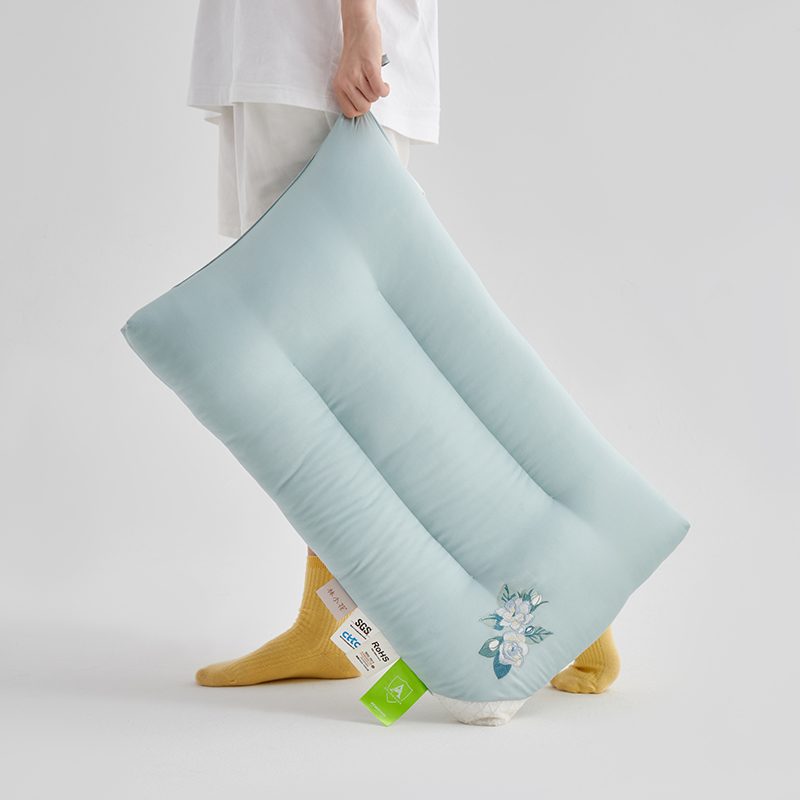
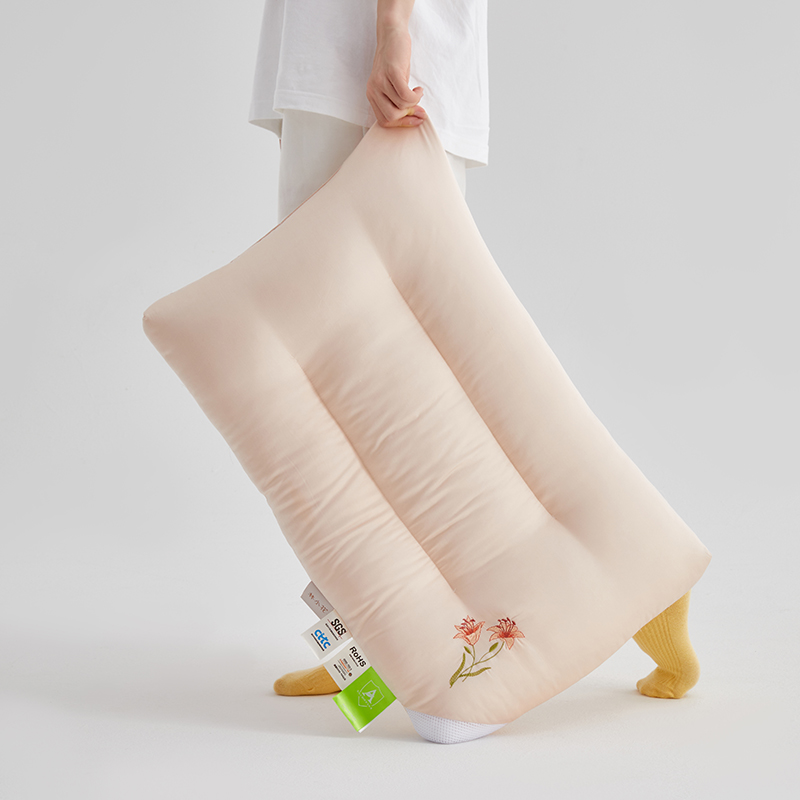
Your embroidery design sets the tone for the finished product. Choose or create a pattern that complements the overall aesthetic of your home. Popular designs include floral motifs, geometric patterns, monogram initials, or whimsical illustrations. If you're using a printable pattern, transfer it onto your pillow cover using a water-soluble marker, tracing paper, or chalk.
Place the portion of the pillow cover where the design is in an embroidery hoop. The hoop will keep the fabric stretched and stable as you work, which ensures even and neat stitches. Tighten the hoop steadily so the surface is smooth without distorting the fabric.
Embroidery has various stitches that you can use to bring your design to life. Choosing the right stitches depends on your skill level and design complexity. Some common stitches include:
If you are new to embroidery, practice the stitches on scrap fabric before starting your actual pillow cover.
Thread your needle with embroidery floss, knot the end, and start stitching along the lines of your design. Work methodically, ensuring each stitch is neat and consistent in size. Avoid pulling the thread too tightly, as this can cause puckering or distortion.
To ensure your design stays intact, tie a knot on the back side of the fabric at the end of each stitching line. Make it as discreet as possible to maintain a polished finish.
Once your embroidery is complete, remove it from the hoop and inspect your work for any errors or loose threads. If necessary, trim excess thread neatly with scissors. Next, gently wash the pillow cover to remove any visible marks from the water-soluble marker or chalk. Iron the fabric again, taking care not to damage your stitches.
Place your embroidered pillow cover over a pillow insert, ensuring it fits snugly. Your embroidered pillow is now ready to take its place among your home decorations or serve as a treasured gift.
Here are some practical tips to help you achieve professional results when embroidering:
The possibilities for designing embroidered pillow covers are virtually endless. Here are some creative ideas for inspiration:
Animal Illustrations: Embroider silhouettes or detailed images of your favorite animals for playful décor.
Mastering the art of embroidering a pillow cover allows you to blend creativity, craftsmanship, and functionality into a single project. By following the step-by-step instructions and incorporating some of the ideas shared here, you can create personalized works of art that stand out as decorative pieces or thoughtful gifts.
Remember, embroidery is a journey that rewards patience and practice. Start with simpler designs and gradually move onto more intricate patterns as you develop your skills. With dedication and creativity, your embroidered pillow covers will become cherished additions to any room.