Updatetime:2026-06-02 08:25:48 View:
Memory foam pillows are popular for their comfort, adaptability, and support. However, they require specific care when it comes to cleaning and drying. Improper handling can damage the pillow or compromise its quality and lifespan. In this guide, we’ll explore how to dry a memory foam pillow effectively while maintaining its integrity and performance. Whether you've washed your pillow or it accidentally got wet, this article offers actionable advice on the best drying methods.
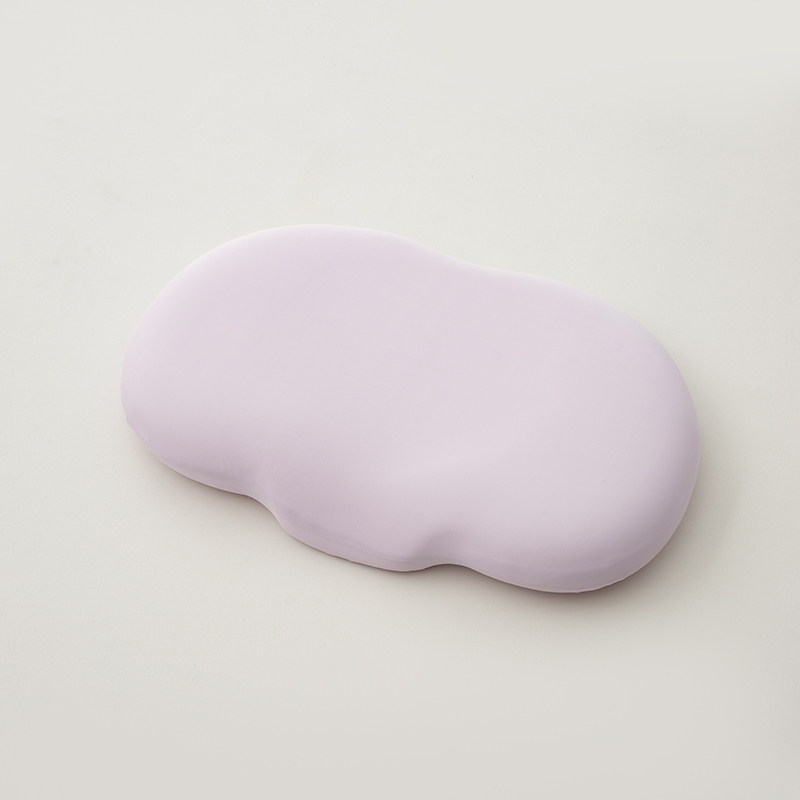
Memory foam pillows are made of polyurethane with added chemicals to increase viscosity and density. This unique material allows the pillows to contour to your body shape and offer exceptional comfort. However, memory foam is highly absorbent, making it prone to holding moisture. Improper drying can lead to the following issues:
To ensure your memory foam pillow remains safe, clean, and comfortable, follow the steps outlined below for effective drying.
Before jumping into the drying process, examine the pillow’s current state:
If the pillow has only absorbed minimal moisture, it may require a simpler drying technique. For completely soaked pillows, follow the comprehensive drying procedures below.
If the pillow has become dirty or developed odors, cleaning it before drying is crucial. Memory foam pillows can’t be machine-washed, as the aggressive agitation may damage the foam. Instead, wash them gently by hand:
Once the pillow has been cleaned, it’s time to dry it thoroughly. Below are the best methods for drying a memory foam pillow:
Air-drying is one of the safest methods for memory foam pillows, as it avoids heat exposure that can degrade the foam. Here’s how to air-dry your pillow effectively:
If outdoor drying isn’t an option, you can dry your pillow indoors:
A fan or hair dryer set on a cool or low-heat setting can expedite the drying process:
While it may be tempting to use faster alternatives, certain methods should be avoided:
Once the pillow appears dry, test for leftover moisture before placing it back on your bed or storage. A pillow that feels dry on the surface may still hold dampness inside the foam.
To reduce the need for frequent drying and prolong the lifespan of your pillow, consider implementing preventive measures:
Pillow protectors are waterproof or moisture-resistant covers that safeguard against spills, sweat, and humidity. They add an additional layer of defense, making it less likely for the foam to absorb moisture.
To keep your pillow fresh and clean, wash pillowcases and covers weekly. Ensure they’re fully dry before reassembling them with the pillow.
Keep your pillows away from areas with high humidity or direct water exposure. If you live in a humid climate, use a dehumidifier in your bedroom to maintain optimal moisture levels.
Drying a memory foam pillow requires a careful approach to preserve its comfort, functionality, and lifespan. Whether you’re dealing with a damp pillow or one fully soaked after cleaning, air-drying in a ventilated area, using fans, or employing a cool hair dryer are your safest options. Avoid high heat or wringing, as these can damage the foam.
Additionally, preventive measures like using protective covers and proper storage go a long way in minimizing moisture exposure. By following the tips provided in this guide, you'll ensure your memory foam pillow remains fresh, dry, and supportive for years to come.