Updatetime:2026-05-18 11:04:48 View:
When it comes to the realm of sleep hygiene, bed pillows play a critical role in ensuring comfort and support during the night's rest. However, many people overlook the importance of replacing pillows regularly and suffer unknowingly from the consequences of worn-out pillows. This article explores various dimensions of pillow replacement, providing practical and actionable advice on how frequently to replace bed pillows to maintain optimal health and comfort.
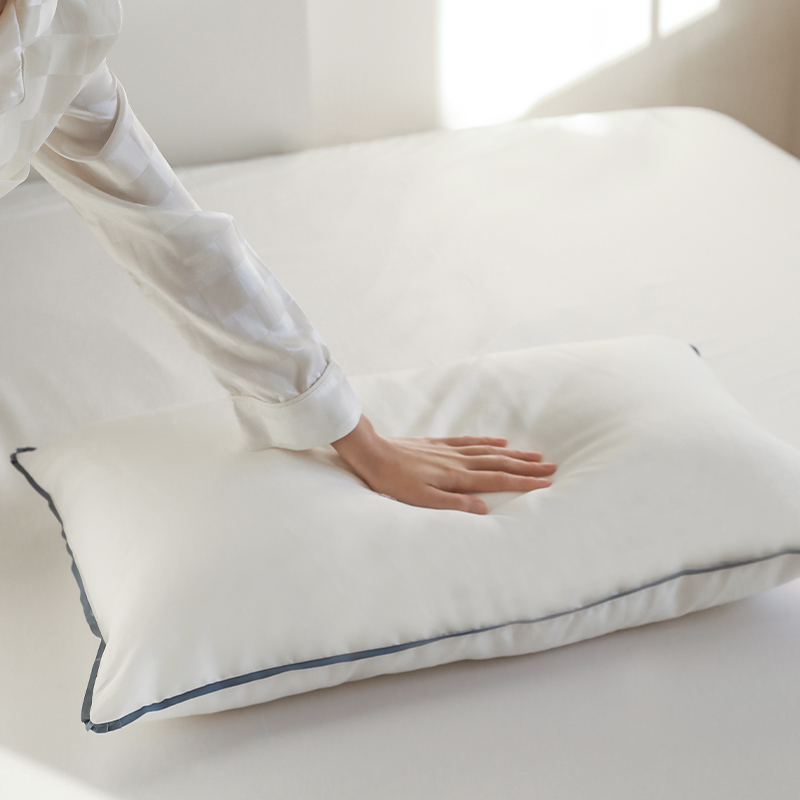
Bed pillows have a profound impact on sleep quality. They support your neck and spine, helping to maintain proper alignment throughout the night. Ineffective pillows lead to neck pain, spinal problems, headaches, and even allergies due to dust mites and other allergens accumulating over time. While aesthetics matter, pillows primarily serve a functional purpose that directly influences physical health.
Recognizing when your pillow needs replacing isn't always straightforward. Here are a few signs that indicate it's time for a new pillow:
While there is no hard and fast rule applicable to all types of pillows, experts generally suggest replacing pillows every 1 to 2 years. This guideline is based on several factors including pillow materials, personal usage, and hygiene standards.
The longevity of a pillow heavily depends on its material. Here’s a breakdown on how often you should replace pillows based on type:
Providing correct maintenance to pillows can extend their lifespan beyond typical expectations. Here are some tips to help preserve your pillows:
Many people neglect to wash their pillows regularly. However, it is essential for hygiene and longevity. Check the care label for specific washing instructions. Typically, most pillows can be machine washed every six months, but memory foam should only be spot-cleaned. Always ensure the pillow is completely dry to prevent mold growth.
Pillow protectors act as a barrier against allergens, dust mites, and moisture. They are easily removable and washable, adding an additional layer of cleanliness and protection. A pillow protector can be washed more frequently than the pillow itself, helping maintain hygiene.
Regularly fluffing pillows preserves their shape and structural integrity. Similarly, exposing pillows to sunlight kills dust mites and refreshes them naturally. When the opportunity arises, set pillows in the sun to rejuvenate them.
A simple test can help determine if a pillow needs replacing: fold it in half; if it does not bounce back, it’s a clear indicator of an expired pillow needing replacement.
Replacing pillows is not just about comfort, but also about health. Consider the following:
Dust mites thrive in pillows, which can exacerbate allergies and asthma symptoms. Regular replacement and using hypoallergenic pillow options can significantly reduce exposure to allergens.
Lack of support leads to muscle tension and poor posture during sleep, which overtime affects overall musculoskeletal health, making regular pillow replacement essential.
Ineffective pillows can contribute to sleep disorders like insomnia due to discomfort and frequent awakenings at night. Replacing pillows helps prevent such disruptions and enhances sleep quality.
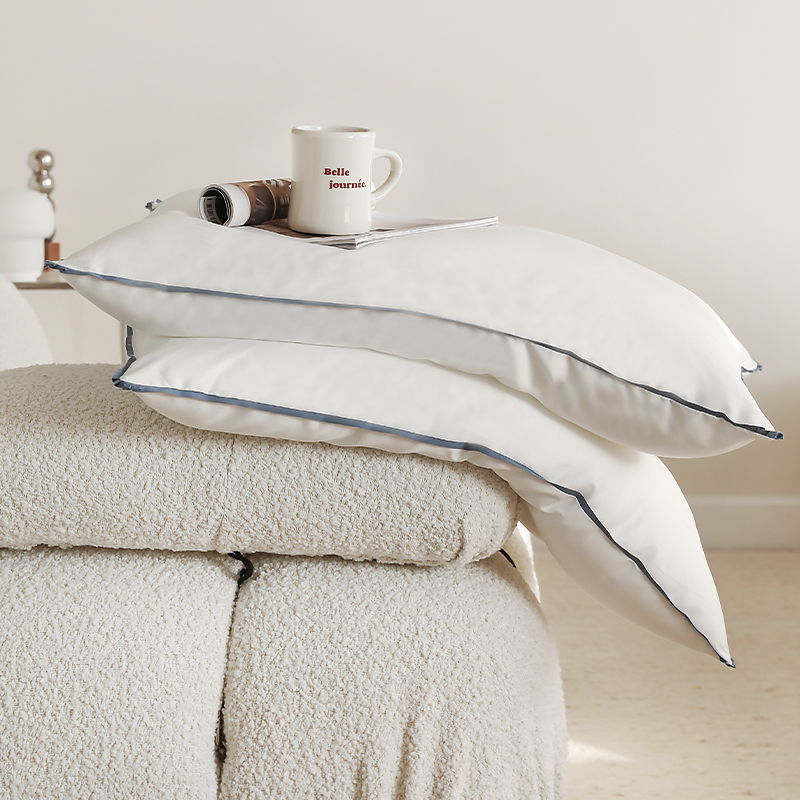
Pillows are essential components of sleep hygiene, impacting both health and restfulness. Knowing when and how often to replace them is crucial for maintaining a healthy sleep environment. By recognizing signs of deterioration, practicing proper care, and adhering to guidelines based on materials and health considerations, one can significantly enhance sleep quality and overall well-being. Remember, your pillow might not retain a visible expiration date but discerning when to bid farewell to your old pillow can make a world of difference in one's nightly slumber.
By understanding the diverse factors that affect pillow longevity, those seeking better sleep now have a comprehensive guide to maintaining optimal pillow health and hygiene in their sleep environments.