Updatetime:2026-05-17 11:02:35 View:
Pillows are an essential part of your sleep environment, offering comfort and support through the night. However, pillows don't last forever, and knowing when to replace them is crucial to ensure quality sleep and maintain hygiene. This comprehensive guide will delve into various aspects of pillow replacement, offering practical advice and valuable insights to help you make informed decisions about your bedding essentials.
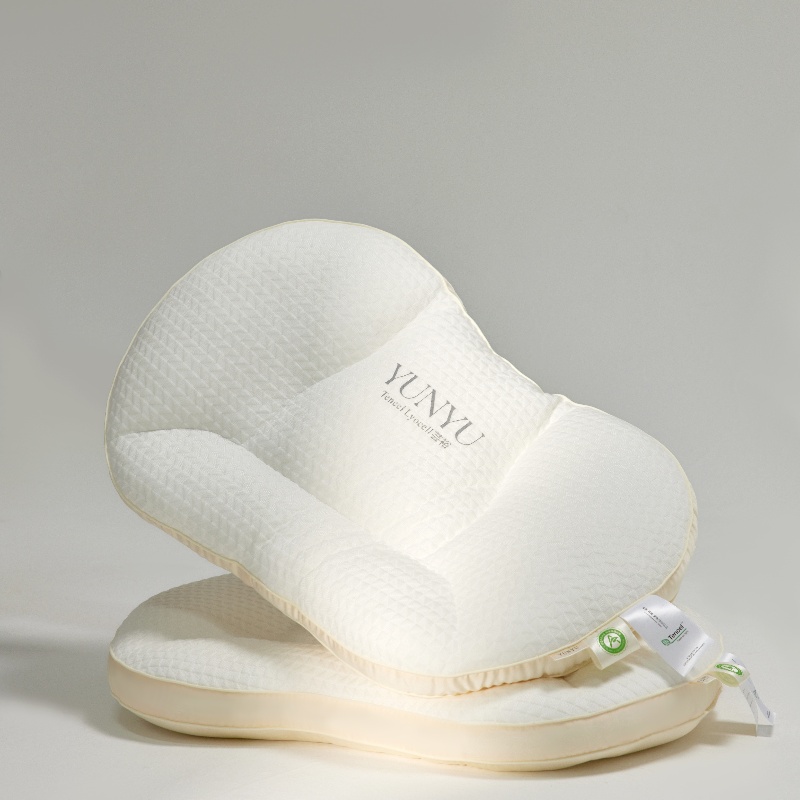
Over time, pillows can lose their shape and support, impacting the quality of your sleep. A worn-out pillow can cause neck, shoulder, and back pain due to reduced alignment and support. Beyond comfort, old pillows can harbor dust mites, bacteria, and fungi, which may exacerbate allergies and respiratory issues. Regular replacement of pillows is therefore essential for both your health and sleep quality.
Identifying when to replace your pillow is not always straightforward, but there are several telltale signs:
The general recommendation is to replace pillows every one to two years. This timeline varies based on several factors:
The material and design of a pillow significantly affect its lifespan:
The way you use and maintain your pillows also impacts their lifespan:
An effective maintenance routine can extend your pillow's life, ensuring a comfortable and healthy sleep environment. Here are actionable tips:
Opt for pillows made from high-quality materials—even if they are initially more expensive. They often provide better support and last longer.
Every few months, fluff your pillows to restore their shape and evenly distribute filling. This simple step can improve comfort and prolong life.
Pillow protectors are a wise addition, creating a barrier between the pillow and dust mites, bacteria, or sweat. Wash protectors regularly alongside your pillowcases.
Follow manufacturer's guidelines for cleaning and washing pillows. Generally, machine washing on gentle settings or hand washing is recommended, with air drying or low-heat tumble drying.
If you're experiencing discomfort or noticing signs of wear, don’t hesitate to replace your pillow, even if its lifespan isn’t up yet.
Using appropriate pillows directly correlates with sleep quality. A supportive pillow can improve sleep posture, reduce pain, and minimize interruptions. Furthermore, ensuring your pillows are clean and allergen-free contributes to overall well-being by reducing exposure to contaminants that may affect respiratory health.
Quality sleep fostered by the right pillow also enhances mental health. Proper rest promotes emotional stability, cognitive function, and mood improvement, all essential for well-being.
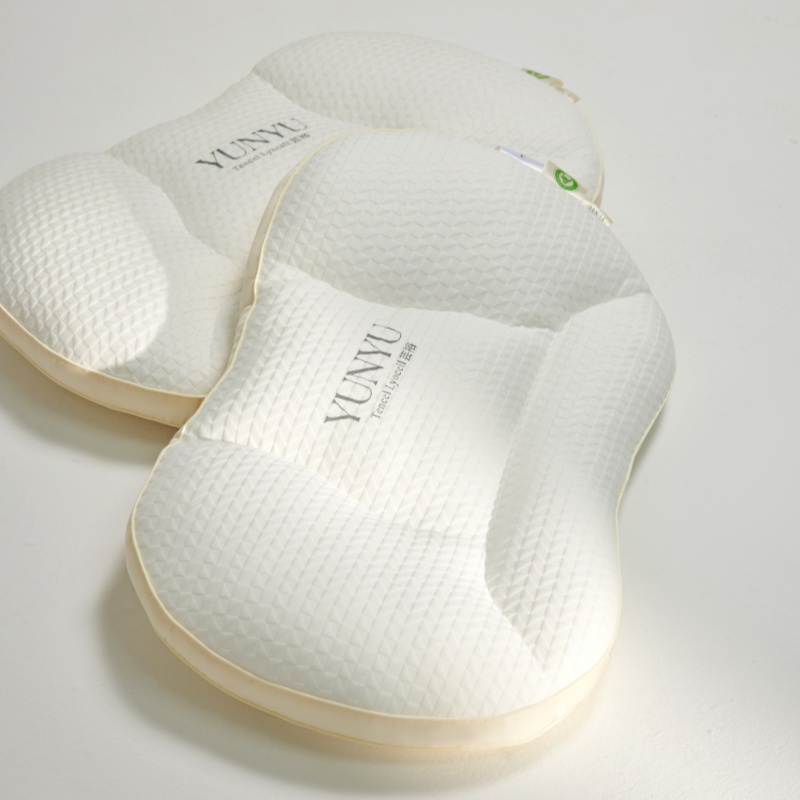
Changing out pillows is not merely a matter of comfort; it plays a vital role in health maintenance and sleep quality. By understanding the factors influencing pillow wear and applying practical maintenance tips, you can ensure your pillow-enhanced sleep space contributes positively to your daily life. When it's time to replace your pillow, make informed choices by considering material quality, usage patterns, and proper care. Your sleep environment is an investment in your well-being—keep it supportive and clean for happier, healthier mornings.
The right pillow can make all the difference in providing a good night's sleep, supporting your health, and enhancing your overall quality of life. Keep these insights in mind to ensure your pillows continue serving you effectively, paving the way for restful nights and bright, energized days.