Updatetime:2026-05-19 09:25:28 View:
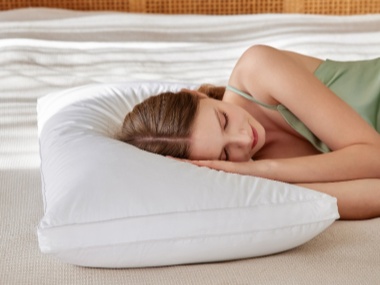
As an integral part of our daily lives, bed pillows play a significant role in ensuring a peaceful night's sleep and maintaining overall health and well-being. However, despite their importance, pillows are often neglected and may not get replaced as frequently as they should. Knowing how often you should replace your bed pillows is crucial for preserving the quality of your sleep and preventing unwanted health issues. In this comprehensive article, we will explore multiple dimensions of pillow replacement, provide practical advice, and offer valuable insights into maintaining optimal pillow hygiene.
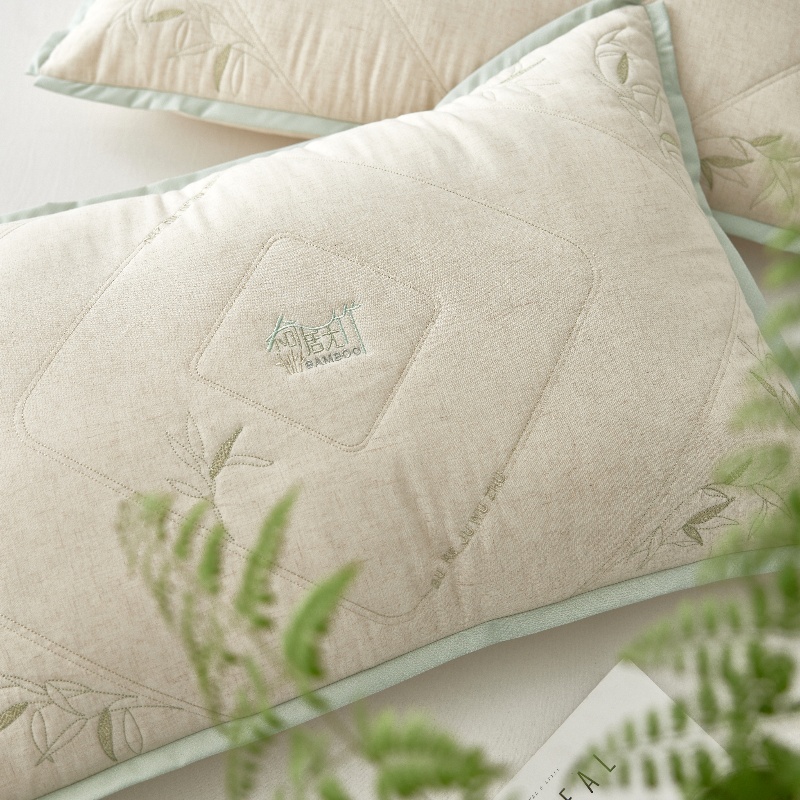
Pillows serve several key purposes. Primarily, they provide support to the head, neck, and shoulders, helping maintain proper alignment during sleep. They also contribute to comfort, enhancing relaxation and facilitating quicker sleep onset. Beyond comfort, pillows play a role in promoting healthy sleep hygiene by offering a clean surface to rest our heads. Old or poorly maintained pillows can become breeding grounds for allergens and bacteria, resulting in health complications such as allergies, asthma, and skin conditions.
While there's no universal guideline for when to replace bed pillows, certain signs can indicate it's time for a new one:
Pillows are designed to cradle your head and support your neck. Over time, they can become flattened or lumpy, which affects their ability to provide adequate support. If you notice your pillow has lost its shape or no longer supports your head and neck properly, it's time for a replacement.
Allergens such as dust mites can accumulate in pillows over time. If you experience persistent allergy symptoms that seem to worsen in bed, this could indicate that allergens have infiltrated your pillow, making replacement necessary.
With prolonged use, pillows can absorb sweat, oils, and environmental debris, leading to unpleasant odors. If your pillow has developed an unmanageable smell despite regular cleaning, it's a clear sign that it may be time for a new one.
Stains from sweat, oils, or drool can not only be unsightly but also harbor bacteria and allergens. If your pillow is visibly stained and cleaning doesn't eradicate these marks, replacement is advisable.
Most experts recommend replacing pillows every 1 to 2 years, although high-quality pillows may last up to five years. Keep in mind this timeline and reassess your pillow's condition accordingly to ensure optimal hygiene and support.
The lifespan of a pillow can vary based on several factors:
Pillow filling materials significantly impact longevity. Memory foam or latex pillows, known for their durability, often outlast polyester or feather-filled alternatives. In contrast, down pillows offer great comfort but may require more frequent replacement.
Proper care and usage habits greatly influence pillow longevity. Regular fluffing, cleaning, and rotating pillows can prevent premature wear and tear. Using pillow protectors or covers can also enhance lifespan by guarding against stains and allergen buildup.
Individuals who prefer firm or dense pillows may find themselves needing replacements more frequently than those opting for softer pillows. Personal comfort and preference often dictate when a pillow no longer meets sleep needs.
Ensuring optimal pillow care can prolong their lifespan:
Investing in a quality protective pillow cover is a great way to shield your pillow from stains, allergens, and moisture. Choose covers with hypoallergenic properties for added benefits.
Follow manufacturer guidance for washing or cleaning your pillows. While not all pillows are machine-washable, most can be cleaned with gentle vacuuming or spot cleaning to maintain their hygiene.
Regularly rotating or flipping your pillows can prevent uneven wear and sustain their shape longer.
Allowing pillows to air out occasionally helps eliminate odors and moisture buildup, promoting fresher pillows.
While maintaining comfort is crucial, the health implications of an aging pillow should not be overlooked:
Dust mites and mold thrive in humid or improperly maintained pillows, potentially aggravating allergy or asthma symptoms. Replacing pillows regularly can mitigate these risks.
Inadequate support can result in neck pain, headaches, and general discomfort, affecting sleep quality. A worn-out pillow may compromise proper spinal alignment, which can exacerbate these issues.
Accumulated oils and bacteria in older pillows can contribute to skin irritations, acne flare-ups, or allergic reactions. Modern pillows designed with anti-bacterial properties may help prevent this, but regular replacement is essential.
When it's time to replace your pillow, selecting the right one to suit your needs is crucial:
Side sleepers may benefit from firmer pillows for neck and shoulder support, whereas back or stomach sleepers often prefer softer pillows for comfort.
Explore different pillow filling materials, such as memory foam, latex, wool, down, or polyester and choose what aligns with your comfort preferences and any potential allergies.
Determine the level of support you require, considering factors such as neck pain, headaches, or posture problems.
Trial and error may be necessary to find the perfect pillow for your needs. Consider returning policies when purchasing to afford flexibility in selection.

Replacing bed pillows regularly is an important aspect of maintaining healthy sleep hygiene and overall wellness. By recognizing the signs that a pillow needs replacing, understanding factors that influence pillow life span, and following best practices for care, you can ensure a continued comfortable and safe sleep environment. Investing in a new pillow not only enhances comfort but is also a proactive step in safeguarding your health, making it a worthy endeavor. Consider your unique needs and preferences to select the perfect pillow replacement that will elevate your sleep experience.