Updatetime:2026-02-07 20:45:58 View:
Sleep is one of the most crucial aspects of human health and well-being. Yet, many struggle to achieve quality rest due to discomfort caused by overheating during sleep. This has led to the rise in popularity of cooling pillows, designed to help maintain a cooler temperature and improve sleep quality. But do cooling pillows work? This in-depth guide explores the science behind cooling pillows, their benefits, considerations, and practical advice to help you decide if they’re worth incorporating into your nightly routine.
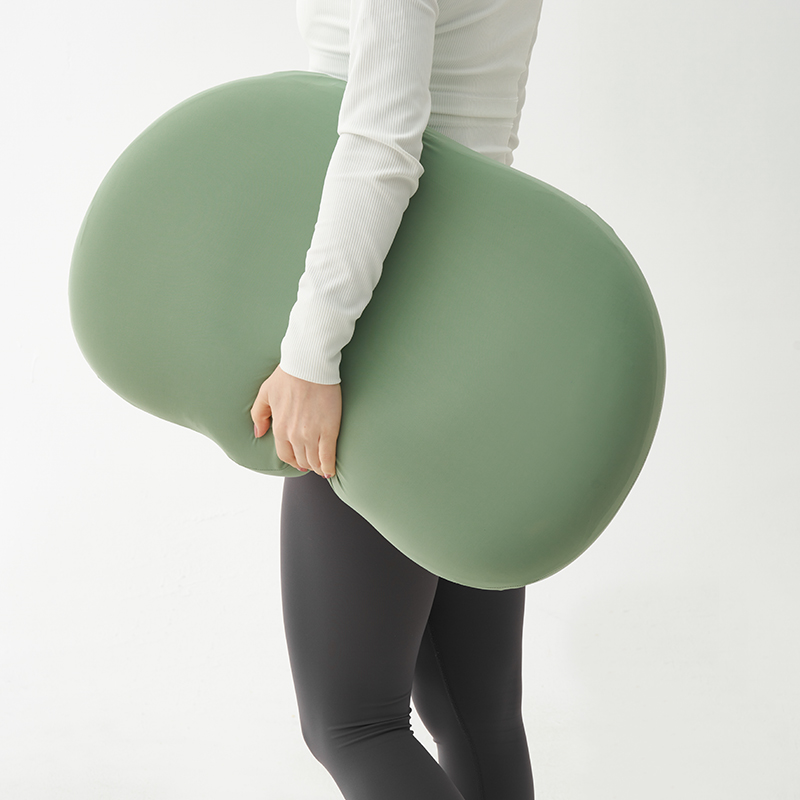
Cooling pillows are designed to regulate temperature and prevent overheating during sleep. Excessive heat can disrupt sleep cycles, especially during warmer months or for individuals who experience night sweats or hot flashes. By offering a cooler surface, cooling pillows aim to create a more restful and comfortable sleeping experience. Their functionality varies based on the materials and technology used. To answer the question of whether cooling pillows work, we must first understand how they operate.
Cooling pillows often use advanced materials and technologies to deliver their promised results. Below are common components found in cooling pillows:
Many cooling pillows utilize gel inserted into memory foam or other pillow materials. Gel has inherent temperature-regulating properties, absorbing body heat and dissipating it away from the skin. This mechanism creates a consistently cool feeling throughout the night.
Cooling pillows may incorporate breathable fabrics such as bamboo, moisture-wicking polyester, or specialized smart textiles. These materials enhance airflow and prevent heat buildup, contributing to a cooler sleeping surface.
Some high-end cooling pillows include phase change materials that get activated upon temperature fluctuation. PCMs absorb, store, and release heat depending on your body temperature, helping you maintain a steady cooling effect.
Pillows that feature ventilated designs with air channels facilitate airflow through the pillow, dissipating heat and allowing you to remain cooler throughout the night.
While cooling pillows provide potential benefits for everyone, certain groups of individuals may find them more useful:
The advantages of cooling pillows extend beyond temperature regulation. Here are some of the key benefits:
By reducing discomfort caused by overheating, cooling pillows enable you to stay asleep longer and experience deeper sleep cycles, such as REM and NREM phases. Proper sleep has downstream benefits, including improved mood, cognitive function, and physical health.
Cooling pillows help wick away moisture and create a dry sleeping surface, which can provide significant relief for those struggling with perspiration during the night.
The cool sensation produced by these pillows often contributes to a feeling of relaxation. Cool temperatures activate the parasympathetic nervous system, allowing the body to enter a more restful state conducive to sleep.
Due to advanced design and materials, many cooling pillows maintain their structure and supportive qualities over time, ensuring value for your investment. Some high-quality options also offer adjustable firmness to cater to individual preferences.
The effectiveness of cooling pillows can vary depending on the type of pillow and individual factors such as body temperature, the climate, and sleep habits. While not every pillow works universally for every person, cooling technology used in these pillows has shown significant success in reducing temperature-related discomfort. It is essential to assess the pillow’s materials, cooling mechanisms, and design when determining its usefulness for your specific sleep needs.
Recent studies in sleep science have underscored the importance of an optimal sleeping temperature. Cooling surfaces can promote the body’s natural thermoregulatory response, helping your core temperature drop as you transition into deeper stages of sleep. Advanced materials such as gel-infused foams or phase change materials, widely used in cooling pillows, are supported by scientific principles that enhance effective heat management.
If you are considering purchasing a cooling pillow, there are several factors to consider to align the product with your personal needs:
Determine whether the pillow uses passive cooling (breathable fabrics and ventilation) or active cooling (PCM or cooling gel). Passive cooling is ideal for mild overheating, whereas active cooling is better-suited for hotter sleepers or warm climates.
Choose a level of firmness that provides proper support for your preferred sleep position. Side sleepers may benefit from firmer options, while stomach and back sleepers may prefer softer or medium firmness.
Consider the size of the pillow that works best with your mattress and sleep posture. Traditional standard sizes are common, but specialty shapes may also be available for targeted support.
Cooling pillows come in a range of prices. While investing in high-quality materials offers longevity, there are budget-friendly options that still provide effective cooling performance.
Check for ease of cleaning and maintenance. Breathable fabrics are often machine washable, while gel foams or PCM-loaded pillows may require specific care instructions.
To get the most value out of your cooling pillow, follow these actionable tips:
Pair your cooling pillow with breathable bed linens made of moisture-wicking fabrics. Controlling room temperature using fans or air conditioning can also enhance a cooling pillow’s effectiveness.
Maintain hygiene and maximize cooling properties by regularly washing the pillowcase and, if applicable, the pillow itself as per the manufacturer’s instructions.
Using cooling mattress toppers, sheets, or blankets in addition to your cooling pillow can create a comprehensive sleep environment that combats overheating.
Some pillows may have stronger cooling properties on one side due to material placement. Experiment with flipping or repositioning the pillow to find the optimal cooling effect.
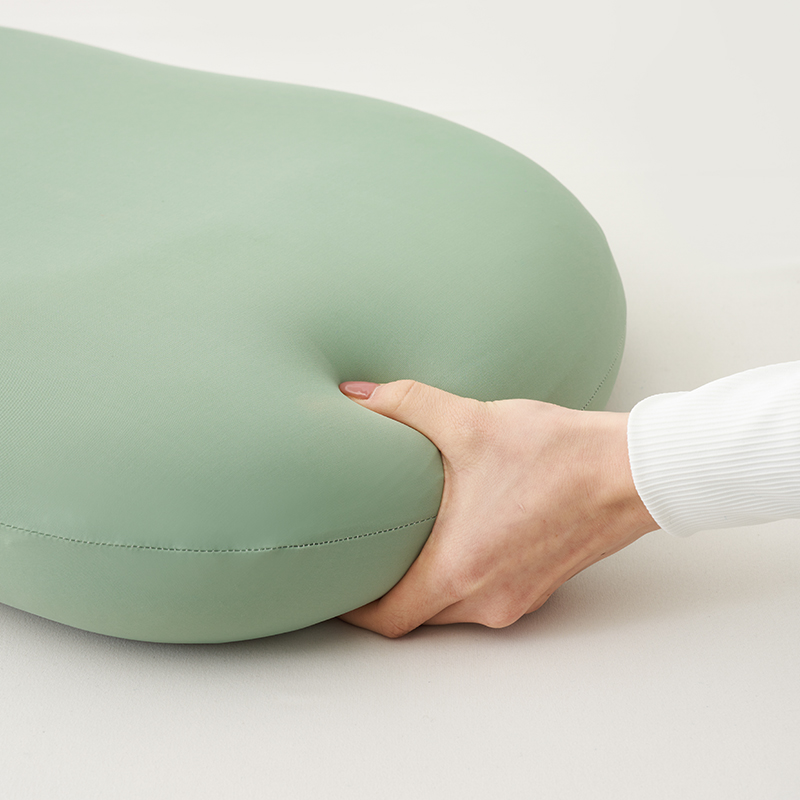
In summary, cooling pillows are effective for many individuals in addressing temperature-related sleep challenges. Leveraging advancements in materials and technology, these products can genuinely improve sleep quality, reduce discomfort, and enhance overall relaxation.
However, their effectiveness depends on proper selection and use tailored to your specific needs. By understanding the various types, benefits, and considerations, you can make an informed decision on whether to invest in a cooling pillow. Combined with other cooling strategies, these pillows may be a game changer for those struggling to achieve consistent, refreshing sleep.
Ultimately, cooling pillows are a highly innovative solution for tackling sleep discomfort caused by overheating. If you’re someone who frequently experiences hot, restless nights, they’re worth exploring to transform your nighttime routine into a cooler, more restful experience.