Updatetime:2026-02-08 20:47:51 View:
When it comes to choosing the perfect pillow, comfort, durability, and support are top priorities for most people. Among the many options available, down alternative pillows have gained significant popularity for being hypoallergenic, cost-effective, and comparable to real down pillows in terms of softness. However, one common concern many users express is whether down alternative pillows go flat over time. In this article, we’ll explore the factors that contribute to pillow flattening, help you understand the characteristics of down alternative pillows, and provide actionable tips to maximize their lifespan.
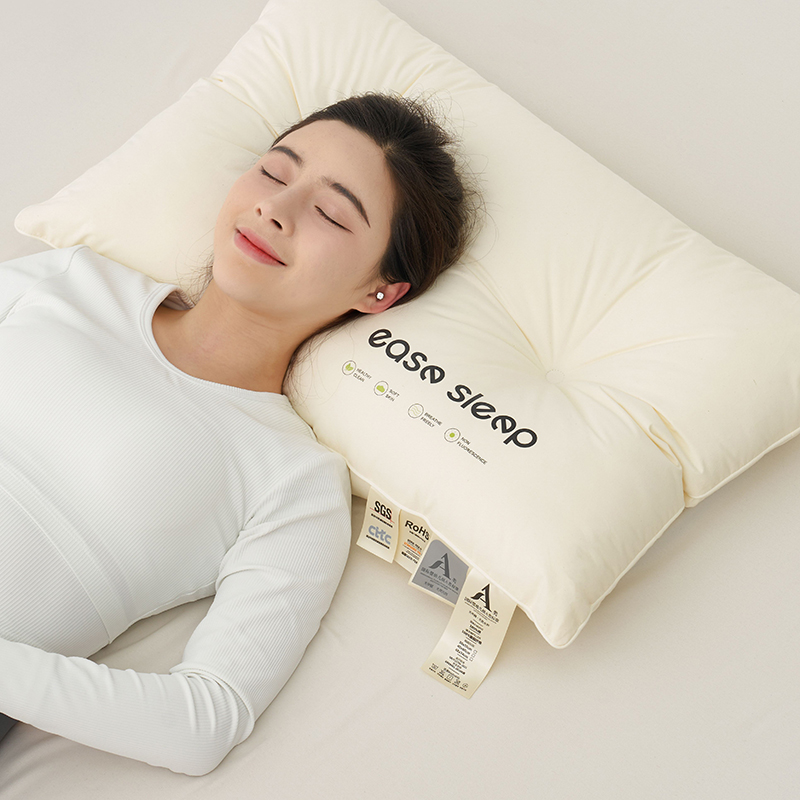
Down alternative pillows are designed to mimic the plush feel of natural down pillows, but instead of using duck or goose feathers, they typically contain synthetic fibers such as polyester or microfiber. These pillows are an excellent option for individuals who are allergic to natural down or prefer cruelty-free alternatives. They are known for providing soft comfort, adjustable fill levels, and affordability, making them a popular choice in both residential and hospitality settings.
Despite their advantages, one drawback often associated with down alternative pillows is their tendency to lose shape and go flat faster than more premium options like memory foam or natural down. Understanding why down alternative pillows may flatten can help users make informed choices for maintenance and replacement.
There are several reasons why down alternative pillows may lose their loft and flatten over time. Below are some primary causes:
Synthetic fibers used in down alternative pillows tend to compress when subjected to pressure. Over time, constant usage—especially if you sleep on the same side of the pillow nightly—can lead to uneven compression of the stuffing. This eventually reduces the overall plushness and creates flattening.
The longevity and resilience of a down alternative pillow depend largely on the quality of the fill material. High-grade microfiber or polyester fills are often more durable and retain their loft longer, while lower-quality fills may flatten quicker due to wear and tear.
If a pillow is heavily used every night without proper fluffing or care, it can start to lose its shape more rapidly. Constant pressure from sleeping positions and repeated use accelerates the breakdown of the internal fibers, leading to flattening over time.
Pillows that aren’t properly maintained—such as being washed without proper instructions or not fluffed regularly—are more prone to losing their loft. Improper cleaning can also clump up the synthetic fibers, further contributing to its flattening.
Humidity, exposure to moisture, or improper storage can all affect a pillow’s integrity. Down alternative pillows in humid climates may experience premature flattening due to moisture absorption and weakened structure.
It’s important to recognize the signs that your pillow is deteriorating so you can take appropriate measures. Some key indicators of flattening include:
If you notice any of these signs, it may be time to refresh or replace your pillow to maintain sleep quality and long-term comfort.
The good news is that with proper care and maintenance, you can prolong the life of your down alternative pillow and keep it from going flat prematurely. Below are actionable strategies to ensure your pillow remains supportive and comfortable:
Fluffing your pillow daily helps redistribute the fill to its original loft, preventing it from becoming compacted. Simply grab opposite ends of the pillow and give it a few shakes to separate clumped fibers. For an extra boost, toss your pillow in the dryer with no heat for 10-15 minutes along with a couple of dryer balls or clean tennis balls.
A high-quality pillow protector can help shield your pillow from dust, moisture, and sweat—all of which can affect its lifespan. Choose a breathable, hypoallergenic cover for added protection while maintaining airflow to keep your pillow fresh.
Using and rotating multiple pillows can help distribute wear evenly. If you have spare pillows on hand, alternate between them to reduce stress on any single pillow. This simple tip not only extends the lifespan of each pillow but also allows you to experiment with different comfort levels.
While many down alternative pillows are machine washable, improper washing techniques can damage the stuffing. Always follow the manufacturer’s instructions for cleaning. Typically, it’s recommended to use a front-loading washer with a gentle cycle and avoid high heat during drying. Using dryer balls as you dry the pillow can help prevent clumping.
If you’re not using your pillow for an extended period, make sure to store it in a dry, cool environment. Avoid compressing or vacuum-sealing pillows as this can crush the internal fibers. Instead, use breathable storage bags or pillow covers to preserve their loft.
If your pillow starts feeling flat, try placing it in the dryer on a low or no-heat setting for 10-20 minutes. Adding a few dryer balls or clean tennis balls can help fluff the fibers and restore some of the pillow's initial softness.
No pillow lasts forever. Down alternative pillows, depending on their quality, generally need to be replaced every 1-2 years to maintain optimal support. If your pillow has gone visibly flat and no amount of fluffing or refreshing restores its loft, it’s time to invest in a new one.
If you’re concerned about flattening, it’s worth exploring alternatives that may provide more long-lasting durability without sacrificing comfort. Some viable options include:
Hybrid Pillows: Combines synthetic fills with structural components for enhanced durability and comfort.
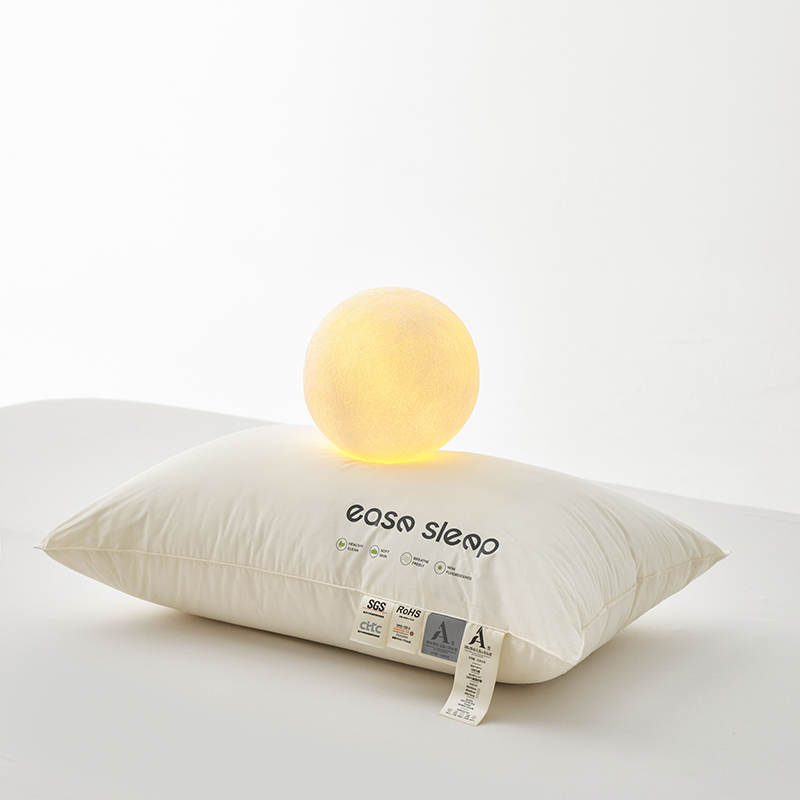
Down alternative pillows remain a popular and cost-effective choice for those seeking soft, hypoallergenic, and cruelty-free bedding solutions. While flattening can be a valid concern, proper care, regular maintenance, and strategic usage can go a long way in ensuring your pillow stays supportive and comfortable for longer durations.
By fluffing your pillow daily, storing it properly, washing with care, and replacing it when necessary, you can get the most value from your down alternative pillow. Ultimately, understanding the unique characteristics of this pillow type empowers you to make thoughtful decisions that enhance your sleeping experience and overall well-being.
If you’re in the market for a new pillow or looking to improve the lifespan of your current one, implementing the tips discussed in this article will ensure enduring comfort and satisfaction. Sleep well and stay supported!