Updatetime:2026-02-06 20:43:52 View:
Sleep plays a vital role in maintaining physical health, emotional well-being, and overall productivity. Yet, for many, achieving a comfortable and restful night's sleep can be difficult, especially during hot weather or for those who naturally overheat during the night. Cooling pillows have emerged as a popular solution to combat sleepless nights caused by heat discomfort. But do cooling pillows really work? This comprehensive guide will examine their functionality, science, benefits, and limitations to provide you with practical insights before making your next purchase.
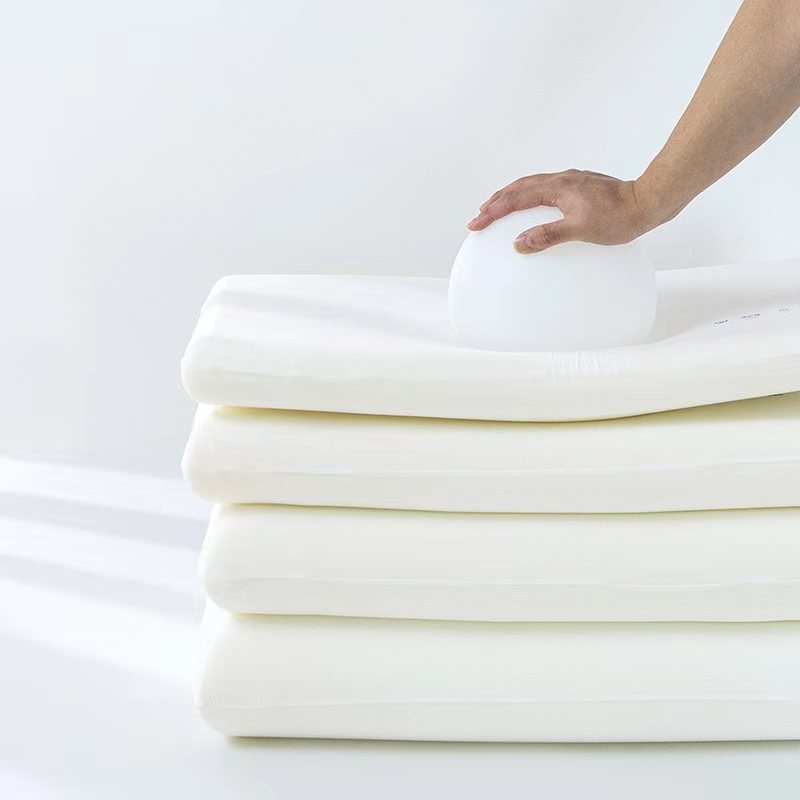
Cooling pillows are designed to regulate temperature and prevent excessive heat buildup during sleep. While traditional pillows retain body heat, creating a warm surface that can make sleeping uncomfortable, cooling pillows use specialized materials and technologies to dissipate heat and maintain a cooler surface throughout the night.
These pillows come in different types and constructions, including memory foam, gel infusion, phase change materials, natural fillings, and breathable fabrics, each with unique properties aimed at enhancing airflow and delivering a cooling effect.
To determine whether cooling pillows truly work, it’s important to understand the science behind their functionality. Here are some key elements that play a role:
Certain cooling pillows are infused with materials like gel or graphite, which draw heat away from your head and neck. Gel-infused memory foam pillows, for example, contain microgel particles that absorb and distribute heat more efficiently than standard foam.
Phase change materials are a cutting-edge innovation in cooling technology. These materials actively regulate temperature by absorbing excess heat when your body temperature rises and releasing it when your temperature falls. This creates a constant cooling sensation throughout the night.
Pillows made from breathable fabrics and ventilated designs promote air circulation, helping keep the surface cooler. Similarly, shredded memory foam or latex designs facilitate airflow, reducing heat retention compared to solid foam models.
The efficacy of cooling pillows largely depends on the integration of these technologies, the quality of materials used, and how well they align with individual sleep needs.
Cooling pillows are not just a gimmick — they offer genuine benefits. Below are some of the most common advantages:
Cooling pillows help eliminate the sticky, sweaty feeling that comes from excessive heat buildup during sleep. For hot sleepers or those in humid climates, these pillows provide a much-needed solution for a more comfortable night's sleep.
A cooler sleep surface can help stabilize body temperature and reduce tossing and turning caused by discomfort, which leads to better sleep quality and longer uninterrupted sleep cycles.
Cooling pillows can be especially beneficial for individuals who experience night sweats due to factors like hormonal changes, stress, or certain medical conditions. By regulating heat and wick away moisture, these pillows create a drier sleep environment.
For individuals dealing with migraines, neck stiffness, or hot flashes, cooling pillows can provide relief by alleviating heat-related discomfort. Their temperature management also complements the therapeutic effects of ergonomic pillow designs.
Many cooling pillow designs use high-quality materials that retain their shape and cooling properties over time, making them a durable addition to your bedding setup.
While cooling pillows offer undeniable benefits, they are not perfect. Understanding their limitations will help set realistic expectations:
Not all cooling pillows are created equal. The effectiveness of temperature-regulating properties can vary between brands, materials, and designs. Buyers may need to experiment with different types to find one that works best for their unique preferences.
Some cooling technologies, like phase change materials, might lose effectiveness in extreme heat or after prolonged use. For individuals living in areas with high temperatures year-round, additional cooling measures may be necessary.
Many cooling pillows provide an immediate cooling sensation but may lose some effectiveness as your body heat interacts with the pillow overnight. Ventilated pillows and breathable designs can help prolong the cooling effect, but there’s a limit depending on the material used.
Cooling pillows often cost more than traditional pillows due to their advanced materials and technologies. While prices vary widely, high-quality cooling pillows can be relatively expensive compared to basic bedding options.
Making the right choice depends on several factors, including your sleeping habits, personal preferences, and budget. Here are some tips to consider before purchasing a cooling pillow:
Look for materials known for their cooling properties, such as gel-infused memory foam, graphite, bamboo fabric, or phase change materials. Shredded memory foam provides better airflow than solid foam, making it ideal for hot sleepers.
Consider the technology used in the pillow — whether it's gel infusion, PCM, ventilated designs, or natural cooling fibers. Phase change technology is recommended for adaptive cooling, while gel-infused designs are ideal for immediate relief.
Cooling should not come at the expense of support. A good cooling pillow will combine temperature-regulating properties with adequate neck and head support to promote proper spinal alignment.
The size and shape of the pillow should suit your sleep position. For side sleepers, contoured or thicker pillows are ideal, while stomach or back sleepers may prefer flatter or softer designs.
Ensure that the pillow materials are hypoallergenic, chemical-free, and meet safety certifications such as CertiPUR-US for foam-based designs. Allergies and sensitivities should be considered when selecting fillings or covers.
Balance the cost of the pillow with its perceived value. Higher-quality pillows may come with a steeper price tag but are more likely to deliver consistent cooling and durability over time.
Even the best cooling pillows can benefit from proper care and usage. Here are some actionable tips to optimize their performance:
Combine your cooling pillow with cooling mattress toppers, sheets, and blankets to create a full temperature-regulating sleep environment.
A pillowcase made from moisture-wicking and breathable fabrics, such as bamboo or cotton, can further enhance the cooling effect of the pillow.
Follow the manufacturer’s instructions for cleaning and care to ensure long-lasting cooling performance. Ensure that ventilation is not obstructed and replace the pillow when it starts showing signs of wear.
While a cooling pillow can alleviate heat discomfort, it may not compensate for an excessively hot bedroom. Use a fan, air conditioner, or open windows to maintain an optimal room temperature.
Being well-hydrated reduces the chances of overheating during sleep. Pairing a cooling pillow with good hydration habits can further enhance your comfort.

So, do cooling pillows really work? The answer is yes, but their effectiveness depends on the design, material, and individual sleep preferences. Cooling pillows offer genuine benefits, such as improved comfort, reduced night sweats, and better sleep quality. However, achieving optimal results requires careful selection and proper usage.
If you're considering investing in a cooling pillow, evaluate the type of cooling technology, material composition, and ergonomic features that suit your needs. Pairing the pillow with other cooling solutions and maintaining a sleep-friendly environment are equally crucial for maximizing its benefits.
Ultimately, cooling pillows can be a worthwhile addition to your sleep routine, especially if you're a hot sleeper or struggle with night sweats. By choosing wisely and adhering to practical care tips, you can enjoy cooler, more restful nights for years to come.