Updatetime:2026-02-05 20:38:23 View:
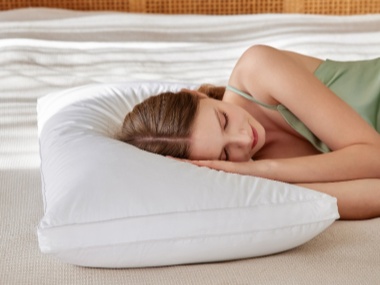
The quest for a good night's sleep often leads to a discussion about the tools and accessories that promise to enhance rest and relaxation. One such accessory is the cervical pillow, which is frequently recommended by healthcare professionals as a way to alleviate neck pain and improve sleep quality. But do cervical pillows work, and if so, how do they contribute to a healthier sleep experience? In this article, we will explore these questions in detail, offering practical, actionable advice and insights into the effectiveness of cervical pillows.
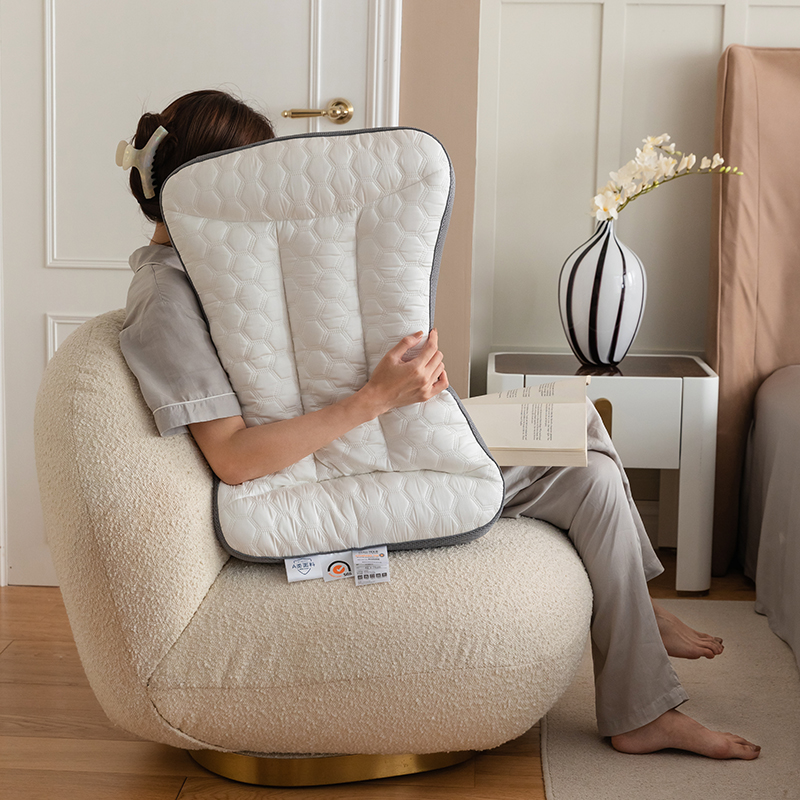
Before delving into their effectiveness, it is essential to understand what cervical pillows are and the principles behind their design. Cervical pillows, also known as orthopedic pillows, are uniquely shaped pillows designed to support the neck's natural curve and alignment. Unlike standard pillows, which may not provide sufficient support, cervical pillows typically feature a contoured design that maintains a consistent angle for the neck and head during sleep.
The primary goal of a cervical pillow is to support the anatomical integrity of the cervical spine. The cervical spine, the uppermost portion of the spine, consists of seven vertebrae that are susceptible to misalignment due to poor sleeping posture. Such misalignments can result in discomfort, stiffness, and pain.
Cervical pillows address this issue by maintaining the proper curvature of the cervical spine, thereby minimizing pressure points and promoting optimal alignment. This theoretical benefit is rooted in the understanding of biomechanics and spinal health, suggesting that maintaining a neutral spine can mitigate neck pain and improve sleep quality.
While the theory behind cervical pillows is compelling, it is equally important to consider empirical evidence. Various studies have been conducted to assess the effectiveness of cervical pillows in reducing neck pain and enhancing sleep quality.
Several clinical trials and studies have investigated the impact of cervical pillows on neck pain and sleep. Findings generally indicate that individuals who used cervical pillows reported significant improvements in neck pain and sleep quality compared to those using standard pillows. However, it is crucial to note that the effectiveness of cervical pillows can vary based on individual needs and conditions.
Anecdotal evidence from users also highlights the potential benefits of cervical pillows. Many individuals report experiencing relief from chronic neck pain, reduced morning stiffness, and overall improved sleep after switching to cervical pillows. While personal experiences can be subjective, they provide valuable insights into the potential benefits of these pillows.
Not all cervical pillows are created equal, and their effectiveness can largely depend on selecting the right one for your specific needs. Here are some factors to consider when choosing a cervical pillow:
Cervical pillows are made from various materials, including memory foam, latex, polyester fiberfill, and water-based cushions. Memory foam pillows are popular for their ability to conform to the shape of an individual's neck and head, providing personalized support. Latex pillows are known for their durability and natural resilience. While choosing a material, consider personal preferences such as firmness, hypoallergenic properties, and breathability.
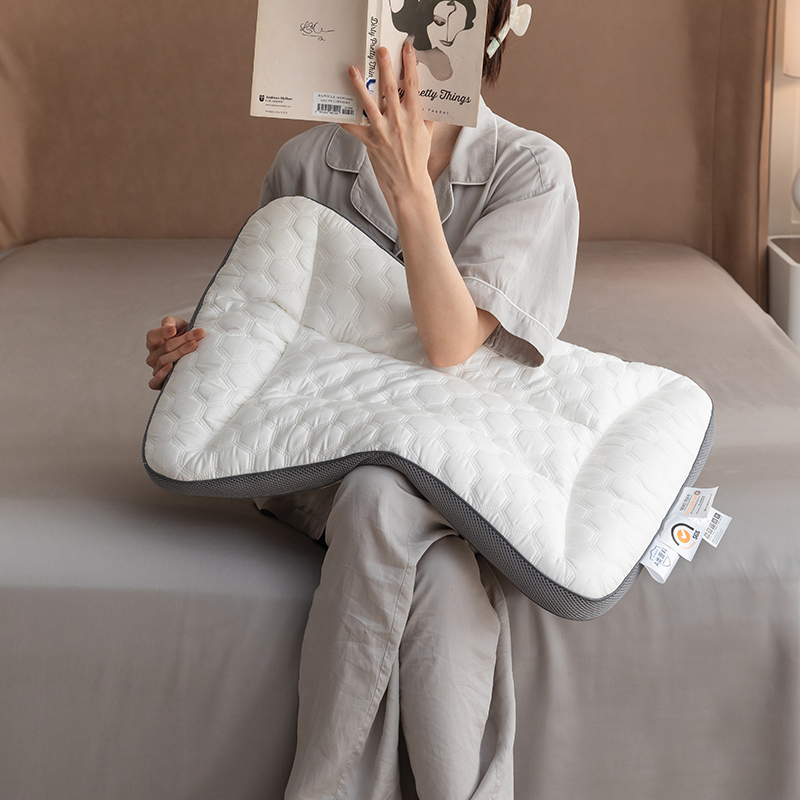
Cervical pillows come in different shapes, including roll-shaped, contour-shaped, and butterfly designs. Each design serves a specific purpose and may be more suitable for different sleep positions. For example, contour-shaped pillows often have a higher loft in the neck area, making them suitable for side sleepers, whereas those who sleep on their backs might prefer a lower loft for adequate support.
Some cervical pillows come with adjustable features that allow users to customize the pillow's height and firmness. These adjustable options can be particularly beneficial for individuals with specific neck issues or those seeking a tailored sleeping experience.
To maximize the benefits of a cervical pillow, here are some practical tips to consider:
Position the pillow so that your neck aligns with the pillow's contours, keeping your spine in a neutral position to minimize discomfort. The top part of your pillow should support your head, while the lower part cradles your neck.
Transitioning to a cervical pillow may take some time, especially if you're accustomed to a traditional pillow. Give yourself several days or even weeks to adapt to the new sleeping surface, during which you may experience some initial discomfort.
Track your sleep quality and neck pain levels after switching to a cervical pillow. Maintaining a sleep journal can help you objectively assess whether the pillow is contributing to improvements in sleep and reducing neck pain.
Despite the advantages of cervical pillows, it is important to consider potential drawbacks and limitations:
The effectiveness of cervical pillows may vary based on individual needs and preferences. What works for one person may not necessarily work for another. Therefore, it is vital to approach the use of cervical pillows with realistic expectations and consider trying different designs or materials if necessary.
Some individuals may experience discomfort when initially using a cervical pillow, particularly if they are switching from a traditional pillow. This discomfort is often temporary and dissipates as the body adjusts to the new sleeping surface.
The question of whether cervical pillows work is multifaceted, with both scientific evidence and user experiences suggesting potential benefits for many individuals seeking relief from neck pain and better sleep. While cervical pillows are not a one-size-fits-all solution, they offer a viable option for those interested in optimizing their sleeping posture and enhancing sleep quality.
Ultimately, the decision to use a cervical pillow should be based on individual needs, preferences, and medical advice. By understanding their design, benefits, and proper usage, individuals can make informed decisions about whether incorporating a cervical pillow into their sleep routine is a worthwhile investment in their overall health and well-being.