Updatetime:2025-10-17 10:18:43 View:
Pillows are essential for restful sleep and contribute significantly to our overall health and well-being. However, over time, pillows can accumulate dirt, sweat, oils, dust mites, and allergens. The question arises: are pillows machine washable? The answer depends on several factors, including the material, type, and care label instructions. This guide will explore different dimensions of washing pillows, including methods, materials, precautions, and actionable advice to keep your pillows clean and extend their lifespan.
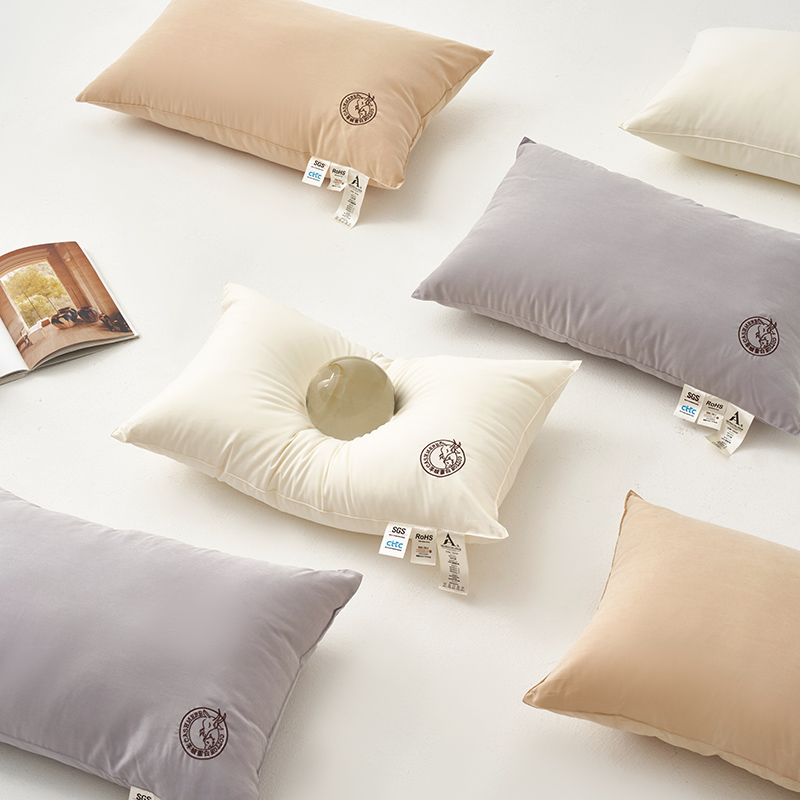
Before washing your pillow, it is important to understand its material type, as this determines whether or not the pillow can safely be machine washed. Below are some common types of pillows and their washing suitability:
Down and feather pillows are soft and luxurious, often highly sought after for their comfort. These types of pillows are typically machine washable, but they require special care to prevent clumping. It is essential to use a gentle cycle with cold water and avoid harsh detergents that could damage the natural feathers. Additionally, drying down pillows requires patience, as they tend to take a longer time to dry completely.
Memory foam pillows are not machine washable due to their structure and material. The foam can break apart or lose its shape when exposed to the agitation of a washing machine. Instead, spot cleaning and vacuuming are recommended for memory foam pillows. Many manufacturers also suggest using pillow covers to reduce the need for frequent cleaning.
Polyester pillows are highly durable and often machine washable. They are among the easiest to clean because their synthetic materials can withstand moderate agitation. Polyester pillows can usually be washed in a warm water cycle using mild detergent, with proper attention to the care label's specific instructions.
Latex pillows, similar to memory foam pillows, are delicate and not suitable for machine washing. The material can degrade when exposed to excessive moisture or machine agitation. Spot cleaning, airing, and gentle care are preferred methods to clean latex pillows.
Some pillows are made from mixed materials, such as a combination of polyester, foam, or down. Understanding the individual components is crucial, as one part of the pillow may be machine washable while another is not. Refer to the manufacturer’s care label for clarity.
To avoid damaging your pillow, follow these steps to determine whether it's machine washable:
If your pillow is machine washable, adhere to these steps for effective cleaning:
Before washing, remove any pillowcases or protective covers and examine the pillow for tears or damage, as the washing machine could exacerbate existing issues. Read the care label to confirm washing instructions.
Use a gentle or delicate cycle to minimize agitation. Wash your pillow with cold or lukewarm water, as hot water can shrink or deform certain materials. If possible, select a high-efficiency washing machine, as it is gentler on textiles than standard models.
Select a mild, unscented detergent to avoid residue buildup or irritation. Harsh chemicals can strip the pillow's texture or affect its longevity. Use a small amount to prevent excessive suds, especially when washing foam pillows and other absorbent materials.
If your machine allows, wash two pillows simultaneously. Balancing the load helps the washing machine spin evenly, reducing wear and tear on the pillows and the appliance.
Pillows require thorough rinsing to remove soap residue completely. Leftover detergent can irritate the skin, trigger allergies, or damage pillow fibers.
Proper drying is as important as washing. Place pillows in your dryer (if compatible) and dry them on a low-heat or air-dry setting. Add a few dryer balls or clean tennis balls to fluff the pillows and prevent clumps. For pillows that cannot be dried in a machine, air-dry them flat in a well-ventilated area away from direct sunlight, which can degrade certain materials.
If your pillow is not suitable for machine washing, hand-washing is a reliable alternative. Follow these steps:
Maintaining clean pillows is vital, but regular care goes beyond washing. Here are additional tips to extend the life of your pillows:
Many people inadvertently damage pillows during the cleaning process. Avoid these common mistakes:
Drying on a high heat setting: Excessive heat damages fibers and reduces fluffiness.
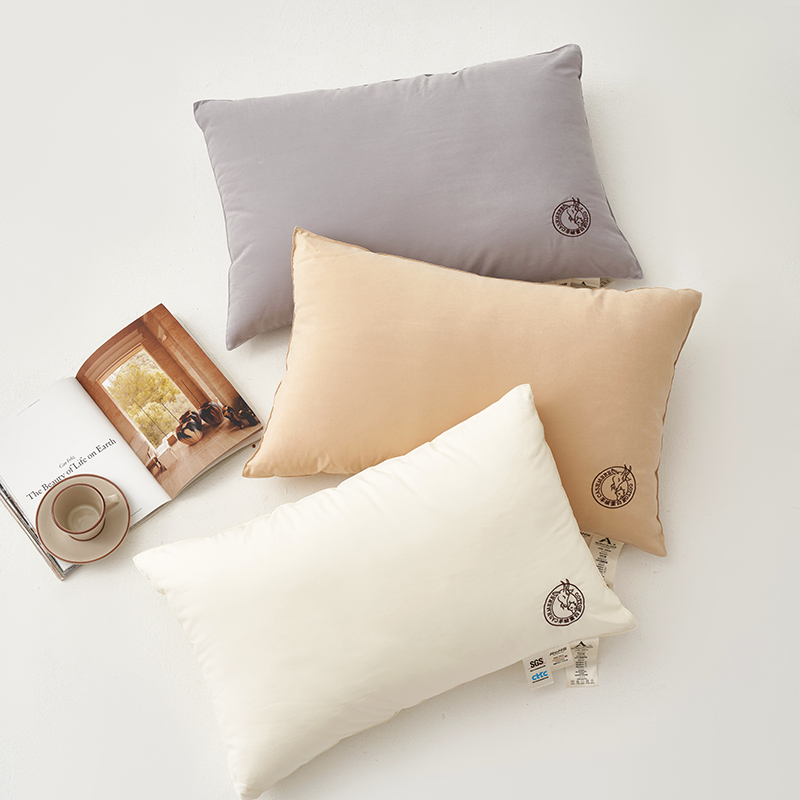
A clean pillow is essential for maintaining hygiene and ensuring quality sleep. While many pillows are machine washable, it’s crucial to evaluate the material, follow care instructions, and use proper methods to avoid damage. Whether through machine washing, hand-washing, or using protective accessories, proactive pillow maintenance extends its lifespan and enhances sleeping comfort. With regular care and attention, you can enjoy a healthier, cleaner sleep environment year-round.
By following this guide, you’ll gain a better understanding of pillow washing methods and the precautions necessary for effective cleaning. Whatever type of pillow you own, the principles outlined here will help ensure it remains fresh, allergen-free, and supportive for years to come.