Updatetime:2025-10-16 10:15:58 View:
Pillows play an essential role in ensuring a good night's sleep and enhancing overall comfort. While they are frequently associated with bedding, there is often a debate surrounding whether pillows are officially classified as such. This article will delve into the definition of bedding, the role of pillows, and numerous dimensions in which pillows contribute to sleep quality, interior design, and functionality. We will also provide actionable insights on pillow selection, maintenance, and optimization to help meet the diverse needs of users.
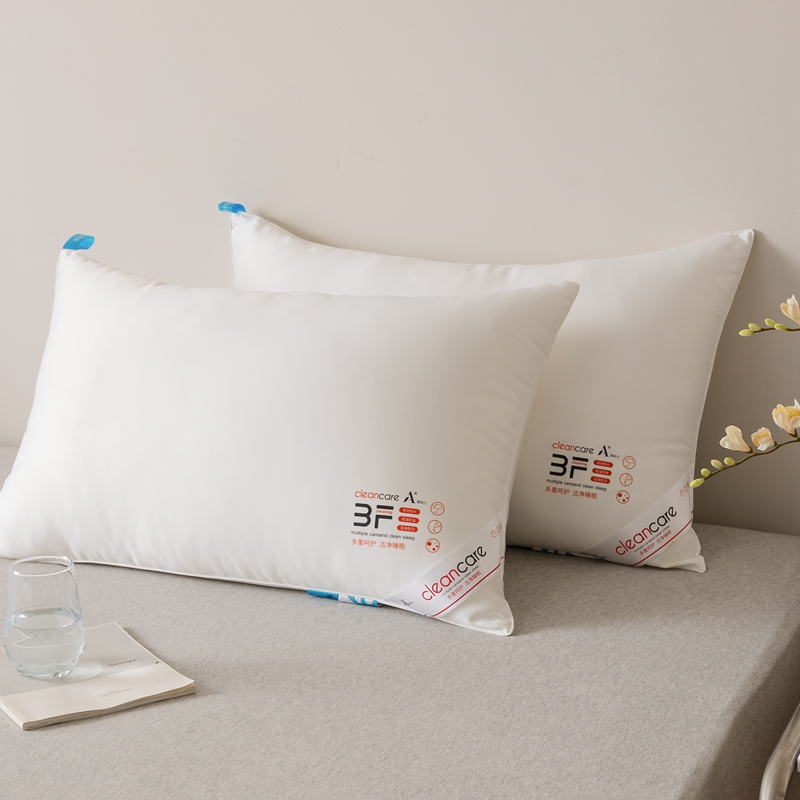
Bedding refers to textiles and items designed to outfit a bed for comfort, utility, and aesthetics. Common components of bedding include mattresses, sheets, blankets, comforters, duvets, and sometimes mattress protectors. However, there is some ambiguity when determining whether pillows fall under this category. Since pillows are designed for sleeping and are integral to the setup of a bed, they are often considered bedding by many, but not universally.
In technical terms, bedding often implies items that directly cover or lay on the bed, such as sheets and blankets. Meanwhile, pillows are seen as accessories to enhance sleep posture and provide support. However, from a functional and practical standpoint, pillows are nearly indispensable and are generally grouped with bedding in everyday use.
To truly understand whether pillows can be classified as bedding, one must first recognize their pivotal role in sleep quality and comfort.
Pillows are crucial for maintaining proper alignment between the head, neck, and spine during sleep. They reduce pressure points and prevent discomfort by cushioning sensitive areas of the body. Without a pillow, many individuals would struggle with pain or stiffness upon waking, adding to the argument that they are fundamental sleep tools.
Pillows are tailored to suit various sleep positions. For instance, side sleepers may rely on firmer, thicker pillows for neck support. Back sleepers often benefit from medium-density pillows that cradle the natural curvature of the spine. Stomach sleepers favor softer, thinner pillows to reduce strain on the neck. This versatility highlights the functional significance of pillows as part of the sleep environment.
Specialized pillows, such as orthopedic, memory foam, or cooling pillows, are designed to alleviate medical conditions and enhance sleep quality. They promote relaxation, reduce snoring, and may even improve breathing for those with sleep apnea. This unique contribution affirms the notion that pillows are not merely decorative but contribute to health and wellness, lending weight to their inclusion in bedding categories.
Beyond functionality, pillows serve aesthetic purposes, making them an integral part of bedroom design.
Decorative pillows, throw pillows, and shams add layers of texture, color, and pattern to transform a bed into a focal point of the room. They allow homeowners to personalize their space, match the theme of their interiors, and create a luxurious ambiance. This dual purpose of enhancing comfort and style reinforces their role in the overall concept of bedding.
Changing pillowcases and designs according to seasons is a popular practice. Bright, floral pillows for summer and cozy, plaid designs for winter bring freshness to a bedroom setup. Versatility in style proves that pillows are integral, not only as practical items but also as mood enhancers and decorative assets.
Pillows are diverse, available in many types catering to varying needs. Exploring these categories offers further clarity on their broad spectrum of uses.
The most common type, sleeping pillows, are primarily designed for nightly use. They come in various shapes, materials, and sizes to suit individual preferences, such as standard, queen, and king sizes.
These cushions are used for non-functional purposes like decorating sofas or beds. They range from square and round to bolster shapes, often covered in vibrant, textured fabrics.
These pillows are crafted to provide relief from specific ailments, such as neck pain, back issues, or post-operative recovery. They include wedge pillows, memory foam pillows, and cervical pillows among others.
This category includes travel pillows, pregnancy pillows, and hypoallergenic pillows geared toward unique conditions or lifestyles.
Choosing the right pillow can transform your sleep experience, enhance comfort, and even improve your health. Here are actionable tips to help you make an informed decision:
Identify your primary sleeping position—side, back, or stomach—and select a pillow that complements your posture. For example, side sleepers should opt for firmer pillows to properly align the neck, whereas stomach sleepers benefit from softer options.
Choose pillows with breathable materials like cotton or bamboo to regulate temperature and prevent overheating. This is especially important for individuals who experience night sweats.
If you suffer from allergies, select hypoallergenic pillows that resist dust mites and allergens. Materials such as memory foam or latex are good options in these cases.
Invest in high-quality pillows that maintain their shape and support over time. Pillows filled with down, feather, or memory foam tend to outlast other varieties.
If possible, test pillows before purchasing to ensure their size, density, and softness meet your needs. Online reviews and expert recommendations can also aid in making an informed choice.
Proper care enhances the lifespan and usability of pillows. Here’s how you can maintain them effectively:
Pillow protectors act as barriers against dust, allergens, and moisture. They can significantly extend the life of your pillows and reduce the need for frequent cleaning.
Pillows should be washed every six months to eliminate dirt, sweat, and bacteria build-up. Ensure you follow the manufacturer’s instructions to prevent shrinkage or damage during cleaning.
Fluffing your pillows each day redistributes the filling for consistent support and keeps them fresh and functional for longer.
Even with regular maintenance, pillows lose their structure over time. Replace your pillows every one to two years, or when they no longer provide adequate support.
The debate about whether pillows qualify as bedding ultimately depends on the perspective. While historically bedding denotes sheets, blankets, and mattress coverings, modern usage has expanded to include pillows because they serve not only as functional necessities but also as decorative items that form an integral part of the bedroom setup.
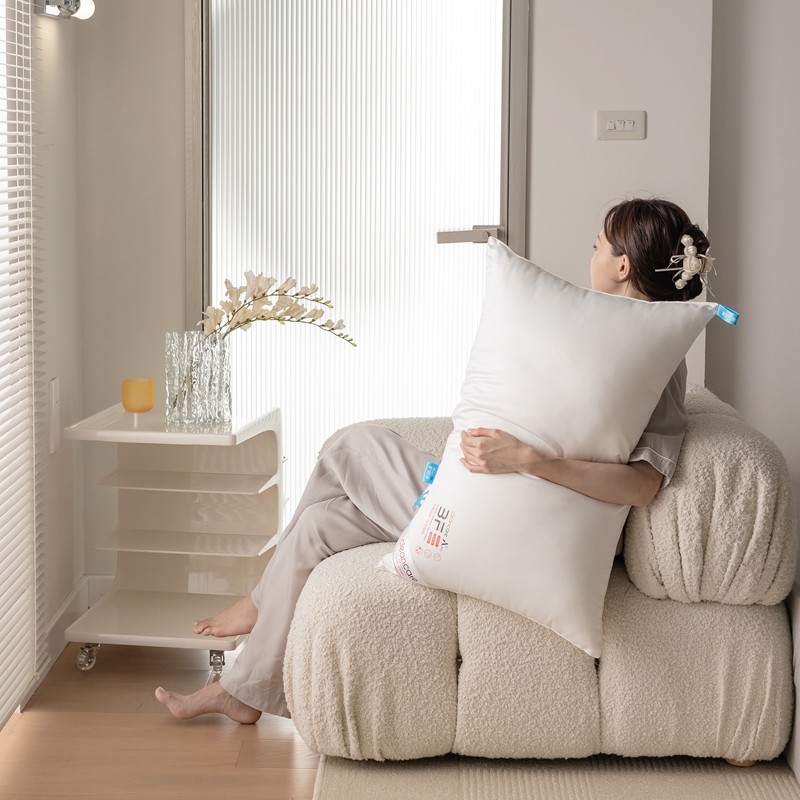
There’s no denying the importance of pillows in sleep quality, interior design, and overall well-being. Whether viewed as bedding or an essential accessory, their role in creating a comfortable and visually pleasing environment transcends traditional definitions. For businesses and consumers alike, understanding the versatile nature of pillows equips them to make better purchasing decisions and maximize the value derived from these must-have items.
With proper selection and maintenance, pillows can significantly improve sleep hygiene, support healthy body posture, and enhance the aesthetic appeal of a room. By appreciating the multifaceted uses of pillows, customers and manufacturers alike can recognize their indispensable role in creating a restful and inviting sleep environment.