Updatetime:2025-10-15 10:12:46 View:
Orthopedic pillows have gained significant attention in recent years as people look for ways to improve their sleep and reduce discomfort in various parts of the body. From neck support to spinal alignment, these pillows promise a host of benefits. But are orthopedic pillows truly effective, and what factors should you consider before investing in one? In this article, we explore the concept of orthopedic pillows, their advantages, disadvantages, and how to decide if they are the right choice for you.
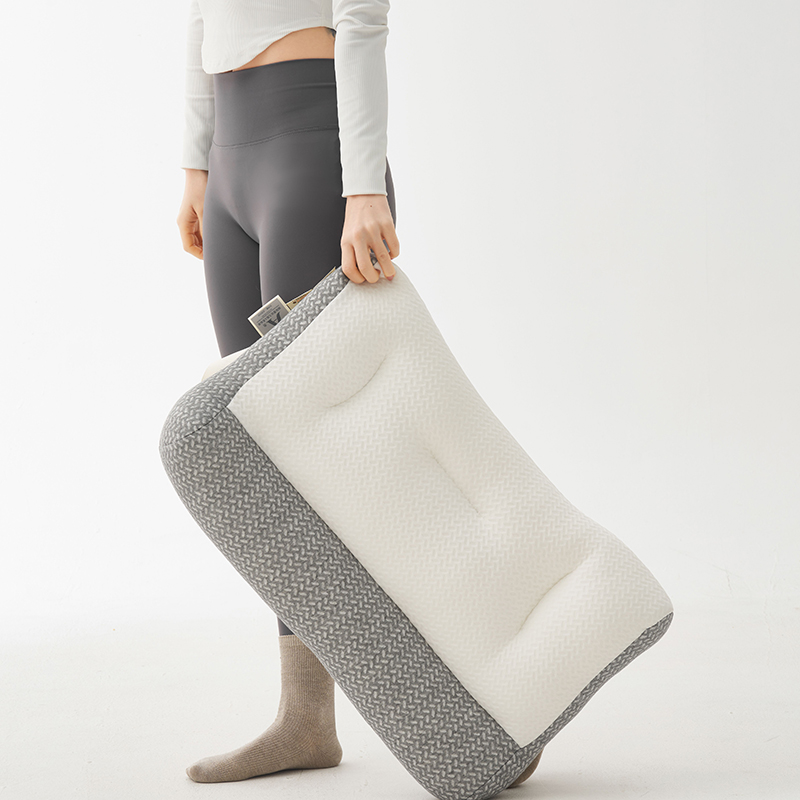
Orthopedic pillows are specially designed pillows that provide support and alignment to specific parts of the body, such as the neck, back, shoulders, or even knees. The design of these pillows is informed by orthopedic principles—relating to the musculoskeletal system—with the aim of alleviating physical discomfort and promoting proper posture during sleep.
These pillows come in a variety of shapes, sizes, and materials, catering to diverse needs. For example, a cervical pillow may help with neck pain, while a lumbar support pillow might aid in reducing lower back strain. They can be made from materials like memory foam, latex, or gel-infused foam, all of which have unique properties designed for responsiveness and support.
Orthopedic pillows are carefully contoured to assist with spinal alignment, whether you are a back, stomach, or side sleeper. A correctly aligned spine during sleep can prevent and mitigate issues like back pain, neck strain, and other musculoskeletal problems.
If you suffer from chronic neck or back pain, an orthopedic pillow may provide targeted support to alleviate pressure on specific areas. This is particularly beneficial for individuals dealing with conditions such as cervical spondylosis, herniated discs, or sciatica.
Better support often leads to better sleep quality. When your body is adequately supported, you’re less likely to toss and turn throughout the night. You may wake up feeling more refreshed and rejuvenated, which can contribute to overall health and well-being.
Orthopedic pillows are often available in customizable designs to accommodate personal preferences. Many brands offer adjustable height and firmness, ensuring that users can tailor the pillow to their unique needs and sleeping styles.
These pillows are not just for sleep—they are widely used in various settings, including travel, office chairs, and lounging furniture. Many people use smaller orthopedic pillows for lumbar support during long hours of sitting, which helps reduce strain on the back.
While orthopedic pillows provide numerous benefits, it's essential to consider their limitations before making a purchase.
Not all orthopedic pillows work for everyone. Each person’s body shape, type, and sleeping habits are unique, so finding the right pillow may take some trial and error. A poorly chosen pillow can exacerbate discomfort instead of alleviating it.
Because orthopedic pillows are often different from regular pillows in terms of firmness and design, you might find it challenging to adapt initially. Some individuals report feeling uncomfortable during the first few nights as their body adjusts to the new support system.
Orthopedic pillows are generally more expensive than their traditional counterparts due to specialized design and material quality. If you're on a tight budget, this might pose a challenge.
Like any pillow, orthopedic models are not immune to wear and tear. Over time, the effectiveness of the supportive design or foam may diminish, requiring replacement. It's important for consumers to understand the product’s lifespan before investing.
Certain orthopedic pillows, such as those made from memory foam, can be more challenging to clean. Some materials may not be machine washable, requiring special care instructions. Allergic reactions can also be a concern if cleaning is neglected.
Deciding to purchase an orthopedic pillow requires informed decision-making. Here are some factors you should consider:
Your sleeping position plays a significant role in choosing the right orthopedic pillow. Side sleepers may benefit from contoured cervical pillows that accommodate the gap between the head and shoulders, while back sleepers might prefer thin or medium-thickness pillows for neck support. Stomach sleepers generally require very flat pillows to avoid overextension of the neck.
Identify the areas where you experience discomfort or pain. Is it your neck, lower back, or knees? For example, a wedge pillow might work for lower back pain, while a body pillow could alleviate leg pain.
Orthopedic pillows come in various materials, including memory foam, latex, gel-infused foam, and feather. Memory foam is often popular due to its ability to contour to your body, while latex offers firm support and durability. Consider factors like comfort, durability, and breathability when evaluating materials.
While it can be tempting to buy the cheapest option available, remember that high-quality orthopedic pillows are an investment in your health. Compare options based on their lifespan, material type, and customer reviews to ensure you’re getting value for money.
Opt for a pillow with adjustable height and firmness if you’re unsure about what works best for you. This flexibility will allow you to customize the pillow according to your needs and possibly help your body adapt more comfortably.
Proper maintenance is vital to ensure the longevity and effectiveness of your orthopedic pillow. Here are some practical tips:
Always adhere to the specific cleaning and care instructions provided by the manufacturer. Some pillows may be machine washable, while others require hand cleaning.
Invest in a good-quality pillowcase or cover to protect your pillow from dirt, oils, and dust. This will reduce the frequency of cleaning and help extend the pillow's lifespan.
If your pillow does not have a specific contour or shape, rotating it regularly can help prevent uneven wear and maintain its structure.
Over time, even the best pillows lose their supportive properties. Monitor your pillow for sagging, tears, or loss of shape, and replace it when necessary.
In addition to using orthopedic pillows, there are other steps you can take to improve your sleep quality:
A supportive mattress works hand in hand with your pillow to ensure proper spinal alignment. Make sure your mattress complements the type of support your orthopedic pillow offers.
Keep your bedroom cool, dark, and quiet to minimize distractions and promote restful sleep. Use blackout curtains, white noise machines, or sleep masks if necessary.
Avoid consuming caffeine or heavy meals close to bedtime. Establish a consistent sleep schedule to regulate your body’s internal clock.
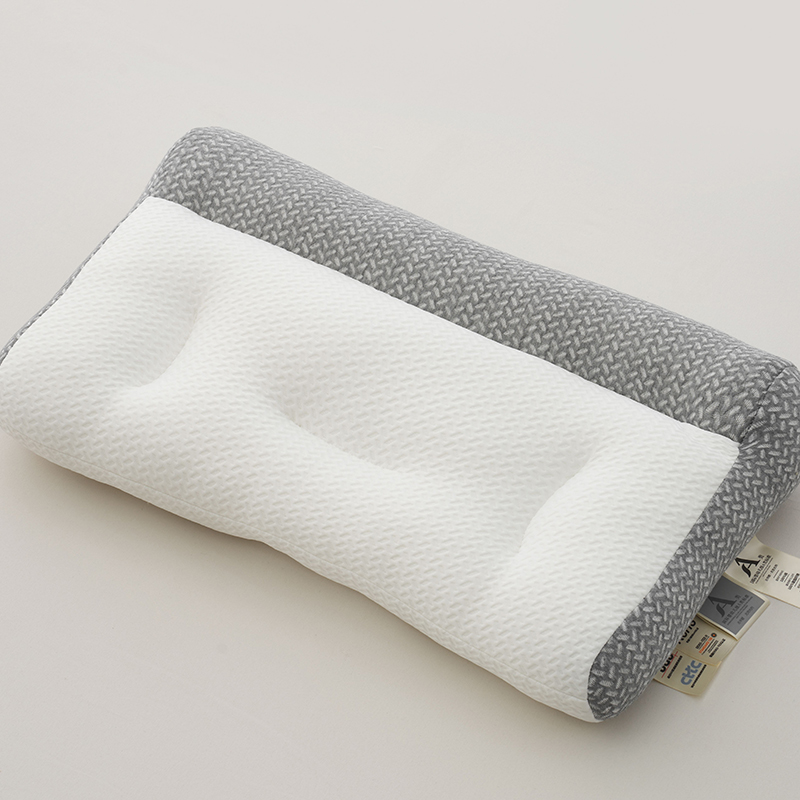
So, are orthopedic pillows good? The answer largely depends on your individual needs and preferences. For those struggling with chronic pain, poor posture, or sleep disturbances, orthopedic pillows can provide much-needed relief and improve overall sleep quality. However, choosing the right pillow requires careful consideration of your sleeping position, pain points, materials, and budget.
While the initial investment and adjustment period might pose challenges, the long-term benefits often outweigh these drawbacks. With proper maintenance and a holistic approach to sleep health, including a good mattress and healthy sleep habits, an orthopedic pillow can be a valuable addition to your daily routine.
Remember, you are unique, and what works for one person may not work for another. Take the time to research and test options before making your decision, and consult with a healthcare professional if you have persisting discomfort or specialized needs.