Updatetime:2025-10-18 10:21:29 View:
Pillows are essential components of our daily lives, offering comfort and support during rest. However, over time, pillows accumulate dust, sweat, skin cells, and even allergens. This raises the question: are pillows washable? The answer depends on various factors, including the type of pillow, its materials, and proper cleaning methods. In this article, we’ll explore different dimensions of pillow cleaning, share practical advice, and help you maintain a clean and healthy sleeping environment.
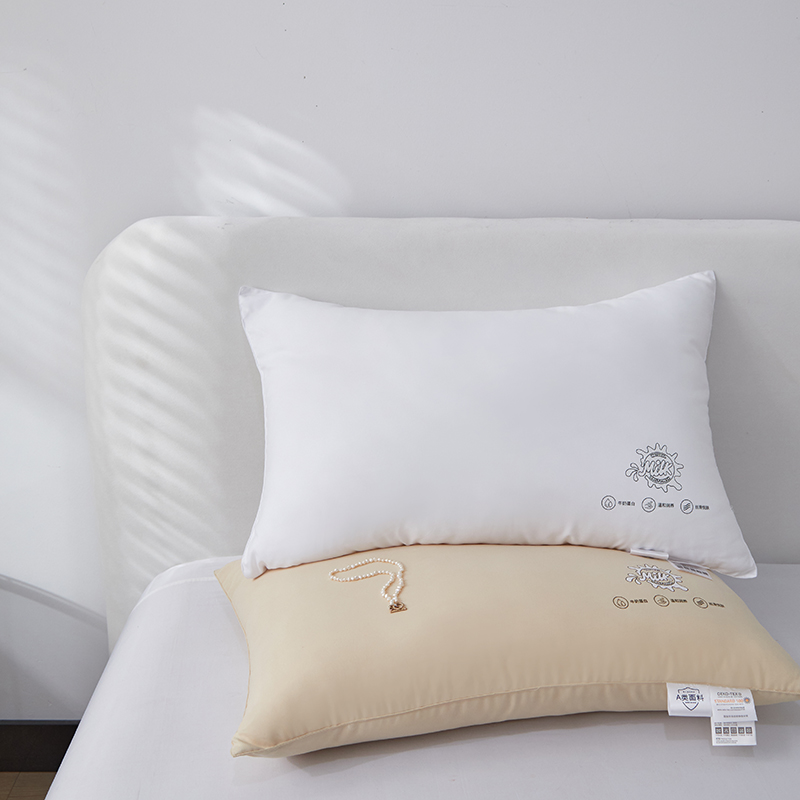
One of the first steps in determining whether a pillow is washable is understanding the materials that make up your pillow. Pillows come in a wide range of types, including:
Memory foam pillows are made from polyurethane foam designed to conform to your head and neck. While the foam itself is not suitable for machine washing, many memory foam pillows feature removable covers that are machine washable. Cleaning the foam requires gentle hand washing or spot cleaning.
Down and feather pillows are plush and luxurious, filled with natural materials. They are generally machine washable, but require a delicate wash cycle and a dryer set to low heat. Proper drying is crucial to prevent clumping of the feathers or down.
Synthetic pillows, including polyester-filled pillows, are often safe for machine washing. They are easier to clean compared to natural pillows, but care is required to maintain their shape and fluffiness.
Latex pillows are durable and resistant to dust mites, but they are not machine washable. Cleaning latex pillows typically involves wiping them down with a damp cloth or using mild soap for spot cleaning.
Pillows filled with buckwheat hulls or other natural materials often have washable covers, but the filling itself should not get wet. To clean such pillows, empty the filling, clean the cover, and replace the filling once dry.
Keeping your pillows clean is not only about aesthetics but also about hygiene and health. Here are some key benefits:
Pillows often harbor allergens like dust mites, pet dander, and pollen. Washing them regularly can alleviate allergy symptoms and improve air quality in your bedroom.
Pillows can trap sweat and oils from your skin and hair, leading to unpleasant odors. Regular cleaning eliminates these odors and keeps your pillows fresh.
By properly washing and caring for your pillows, you can increase their longevity. Clean pillows tend to retain their structure and comfort much longer.
Sleeping on a clean pillow ensures a healthier sleeping environment, allowing for better overall rest and relaxation.
Washing your pillows doesn’t have to be complicated. Here’s a detailed step-by-step guide you can follow:
Begin by examining the care label attached to your pillow. It provides valuable information on whether the pillow is washable, recommended cleaning methods, and any restrictions.
If your pillow has visible stains, pre-treat them with a stain remover or a mixture of mild detergent and water before washing.
If your pillow is machine washable, ensure your washing machine is large enough to accommodate the pillow comfortably. For hand-wash-only pillows, prepare a basin with lukewarm water and mild detergent.
In the washing machine, select a gentle cycle and cold or warm water. Avoid using harsh detergents, and opt for gentle cleaners instead.
Ensure the pillow is thoroughly rinsed to eliminate all detergent residue. Run an extra rinse cycle if needed.
Drying is a critical part of the process. Depending on the material, you may air dry or use a dryer. Machine drying requires a low or no-heat setting to preserve the pillow’s integrity. Adding dryer balls or clean tennis balls can help fluff the pillow as it dries.
To ensure your cleaning efforts yield the best results, consider these practical tips:
If your washing machine is large enough, washing two pillows at once helps maintain balance during the spin cycle.
Overloading can lead to inadequate cleaning and potential damage to your pillows or washing machine.
Wash your pillows at least twice a year to maintain hygiene. If you suffer from allergies, consider cleaning them quarterly.
Pillow covers are just as important as the pillows themselves. Clean your covers monthly to prevent the accumulation of germs and debris.
Before washing, test colored pillows for colorfastness to ensure they won’t bleed or fade during cleaning.
Not all pillows are designed for full washing, but there are ways to maintain cleanliness for non-washable pillows:
Pillow protectors are an extra layer that shields the pillow from dirt and allergens. These protectors are often machine washable.
For non-washable pillows, use a cloth dampened with mild soap and water to address specific stains or dirt buildup.
Place your pillow in a well-ventilated area or under direct sunlight to eliminate odors and refresh its structure.
Use a vacuum cleaner or handheld steamer to remove dust and sanitize pillows that cannot be washed.
Even with regular cleaning, pillows have a limited lifespan. Watch out for the following signs that indicate it’s time for a replacement:
If your pillow is no longer providing adequate support, leading to discomfort or aches, it may need replacement.
Stains and odors that persist after cleaning are signs of deeply embedded contaminants.
Pillows that develop lumps or uneven distribution of filling will likely affect your sleep quality.
A general rule of thumb is to replace pillows every 1 to 2 years, depending on usage and material durability.
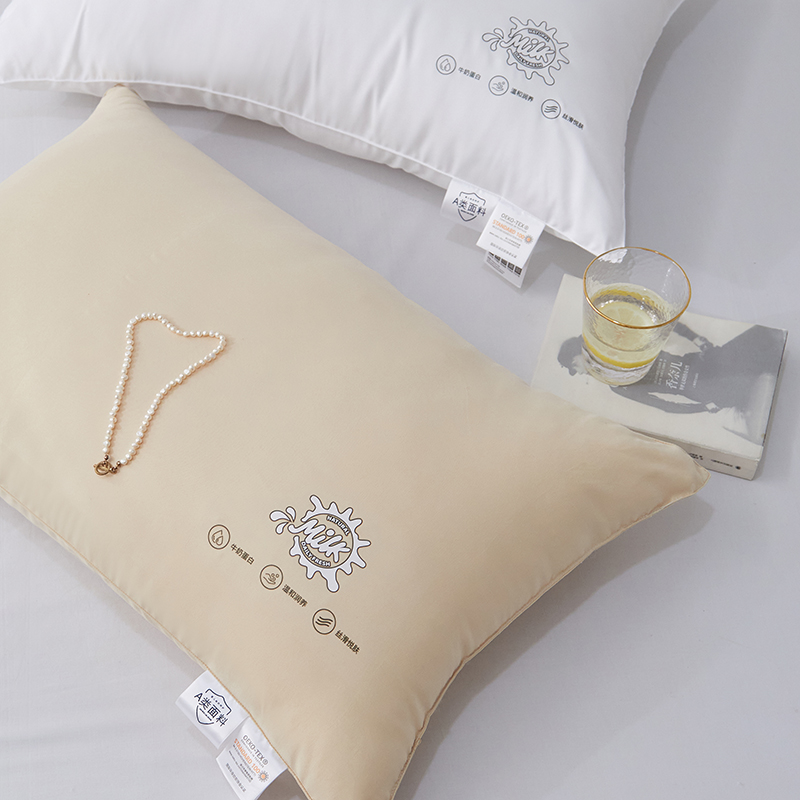
So, are pillows washable? The answer varies depending on the type of pillow and its materials. Washing your pillow regularly is an essential part of maintaining hygiene, comfort, and sleep quality. By following the guidelines and tips outlined in this article, you can ensure your sleeping environment remains clean and healthy. If you’re unsure whether your pillow is washable, always consult the care label or opt for alternative cleaning methods. Remember, a well-maintained pillow contributes to better rest and overall well-being!