Updatetime:2025-10-07 12:15:45 View:
When it comes to improving sleep quality, pillows play an essential role. From the material to the firmness, the pillow you choose can greatly impact your comfort, posture, and overall health. Among the various options available, microfiber pillows have become increasingly popular due to their affordability and versatility. But are microfiber pillows truly good? This article dives deep into the subject, providing you with insights, advantages, disadvantages, and actionable advice to determine if microfiber pillows are the right choice for you.
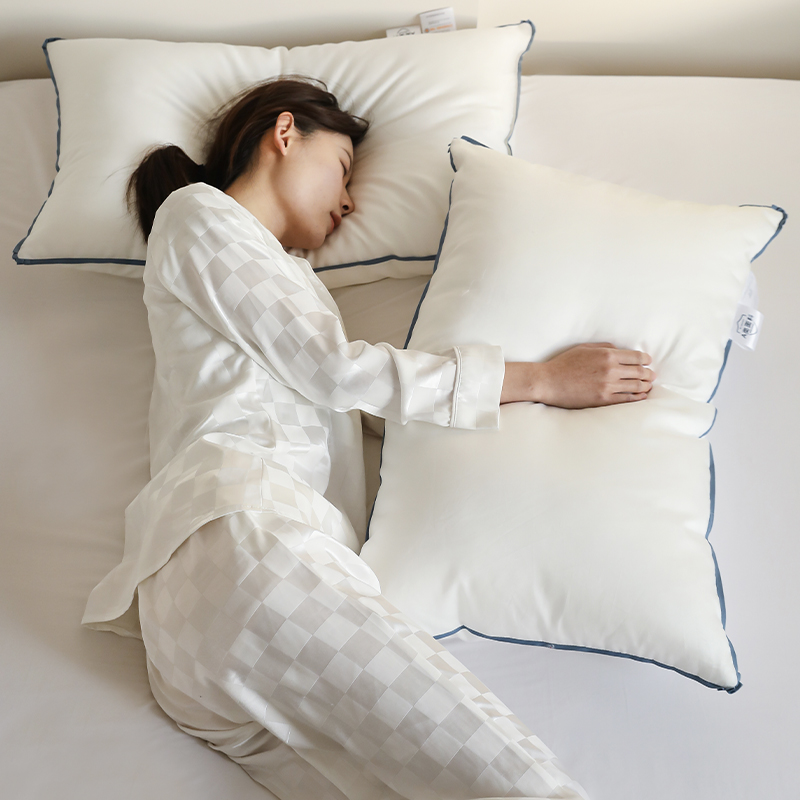
Microfiber pillows are made from finely woven synthetic fibers, usually polyester or polyamide, which are much thinner than a human hair. These ultra-soft fibers create lightweight, plush filling that mimics the texture of down feathers without using animal-derived materials, making them ideal for vegans and individuals with feather allergies.
Microfiber pillows are available in a variety of designs and densities, making them suitable for a wide range of sleep preferences. They are often used in homes, hotels, and healthcare environments due to their affordability and practicality.
Microfiber pillows offer several benefits that make them a popular choice among consumers. These advantages include:
One of the most appealing aspects of microfiber pillows is their cost-effectiveness. These pillows are generally more affordable than down, memory foam, and latex options, making them an excellent choice for anyone on a budget.
The fine microfiber filling creates a lightweight and incredibly soft structure that feels comfortable to the touch. This feature appeals to those who enjoy a plush, cozy pillow for resting their head.
Microfiber is naturally resistant to allergens, such as dust mites, mold, and mildew. This makes microfiber pillows suitable for those with allergies or sensitivities, promoting clean and healthy sleep environments.
Microfiber pillows are simple to maintain and clean. Many options are machine washable, allowing you to keep them fresh and hygienic with minimal effort. This reduces the need for tedious care routines associated with some other pillow types.
Available in a wide range of firmness levels, shapes, and sizes, microfiber pillows cater to various sleep positions, such as side sleepers, back sleepers, and stomach sleepers. You can easily find one tailored to your needs.
Microfiber pillows do not use animal-derived materials, making them a preferred option for individuals who seek cruelty-free bedding solutions.
While microfiber pillows offer numerous benefits, they are not without drawbacks. Consider the following potential disadvantages before making your decision:
Microfiber pillows may not last as long as high-quality down, latex, or memory foam pillows. Over time, they can lose their shape and firmness, requiring more frequent replacements. This can be less cost-effective in the long term.
Although soft and plush, microfiber pillows sometimes lack the necessary firmness to support proper neck and spinal alignment, particularly for individuals who suffer from neck pain or back discomfort.
Microfiber is less breathable than natural materials, such as cotton or wool. Consequently, microfiber pillows may retain heat, which can lead to discomfort for sleepers who prefer cooler surfaces during the night.
As a synthetic material, microfiber is created from petrochemicals, which can contribute to environmental pollution. Additionally, microfiber particles can break down over time, releasing microplastics into the environment, raising concerns for eco-conscious consumers.
Due to the lightweight nature of microfiber filling, the pillows may flatten with prolonged use, requiring fluffing or replacement to restore their comfort and shape.
Microfiber pillows are ideal for certain types of sleepers and situations. Here’s a quick checklist to determine if they might be right for you:
However, if you prioritize longevity, firmness, or environmental sustainability, you may want to explore other materials like memory foam or eco-friendly options.
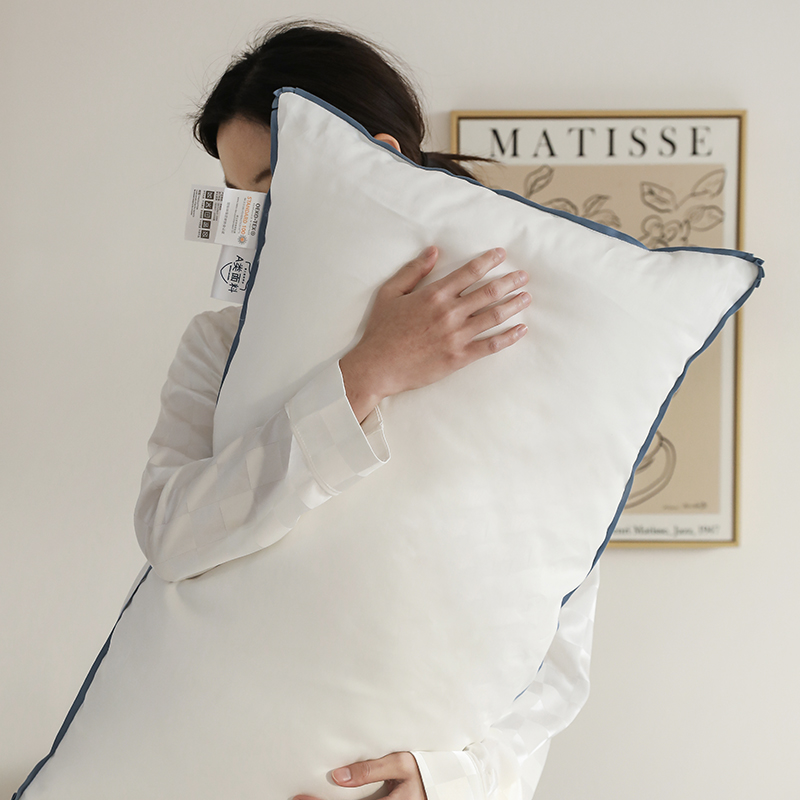
If you decide to go with microfiber pillows, here are some tips to help you select the best option for your needs:
The density of the microfiber filling determines the firmness of the pillow. Choose a pillow with high-density microfiber for increased support or opt for lower density for a softer, cloud-like experience.
Many microfiber pillows come with removable and washable covers that can enhance cleanliness and extend the life of your pillow. Always check whether the pillows are machine washable for added convenience.
Your sleep position matters when selecting a pillow. Side sleepers may prefer firmer styles, while stomach sleepers often find softer microfiber pillows more comfortable.
If you’re concerned about heat retention, look for microfiber pillows infused with cooling technologies or breathable designs to prevent overheating while you sleep.
Whenever possible, test the pillow’s comfort, size, and firmness in-store or during a trial period offered online. Comfort is subjective, and finding the right pillow can make a huge difference in your sleep quality.
Following proper care routines can extend the lifespan and performance of microfiber pillows. Here are some maintenance tips:
Microfiber pillows tend to flatten over time. Fluff them regularly to restore their loftiness and comfort.
Check the manufacturer’s label for washing instructions. Most microfiber pillows are machine washable, but excessive washing can affect their texture and durability.
Switch up your pillows periodically to avoid overusing one and maintain consistent comfort levels.
Using pillow covers or protectors can shield pillows from dirt, oil, and spills, reducing the need for frequent cleaning and prolonging their lifespan.
Microfiber pillows can be an excellent choice for those seeking affordable, lightweight, hypoallergenic, and vegan-friendly bedding options. They cater to various sleeping preferences and are easy to maintain. However, they may not be as durable, supportive, or eco-conscious as other materials like memory foam or natural down.
Ultimately, the answer to whether microfiber pillows are good depends on your specific sleep needs and values. If you prioritize cost-effectiveness, softness, and easy care, microfiber pillows might just be the perfect choice. However, if you need robust support, cooler materials, or sustainability, exploring alternative options may better suit you.
In conclusion, by assessing your preferences, sleep habits, and budget, you can make an informed decision about investing in microfiber pillows. With proper maintenance and careful selection, these pillows can provide you with a comfortable and restful sleep experience.