Updatetime:2025-10-06 12:12:53 View:
Memory foam pillows have become synonymous with a good night's sleep for many individuals. They promise unparalleled comfort, neck support, and relief from pressure points. However, as with any product woven into the fabric of daily life, questions regarding their safety arise. Are memory foam pillows toxic? This question delves into the heart of consumer safety, environmental impact, and long-term health effects. This article explores various facets of memory foam pillows to help you make informed decisions for your sleeping environment.
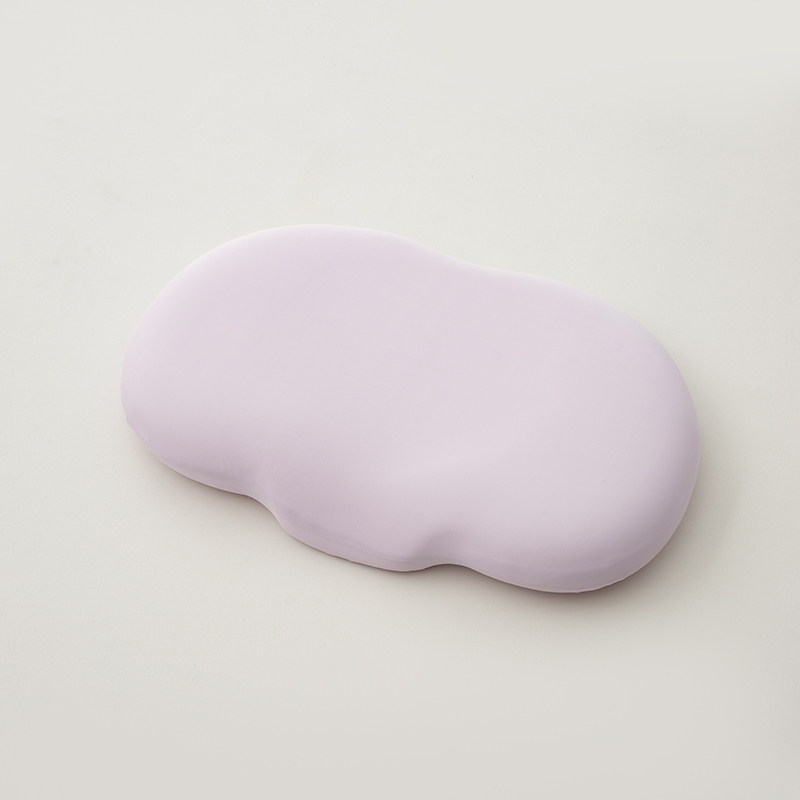
Before addressing concerns about toxicity, it's crucial to understand what memory foam is. Originally developed in the 1960s by NASA, memory foam is a type of polyurethane foam. It consists of additional chemicals that enhance its density and viscosity. This composition allows it to conform and mold to the shape of the body in response to pressure or heat, enhancing comfort and support.
Memory foam is primarily made from polyurethane, a polymer that is formed by reacting diisocyanates with polyols. There are three types of memory foam: traditional, gel-infused, and plant-based. Traditional memory foam offers high-density support, gel-infused types aim to address heat retention issues, while plant-based alternatives reduce reliance on petrochemicals, although all typically contain synthetic materials to some degree.
The term ""VOCs"" often emerges in the discussion of memory foam toxicity. VOCs are compounds that evaporate into the air at room temperature and can cause health issues, including headaches, dizziness, and irritation of the eyes, nose, or throat. While memory foam releases VOCs during the manufacturing process, the levels decrease significantly before the product reaches consumers due to advancements in production technologies.
The central concern for many consumers is whether the chemicals used in memory foam can pose health risks. Here, we peel back the layers of these concerns to provide an in-depth view.
Off-gassing refers to the release of chemical fumes from new memory foam products. This is most noticeable in the first week of use and can be recognized by a specific smell. For most people, this smell is merely an inconvenience, but for individuals with respiratory issues or chemical sensitivities, it could exacerbate symptoms. Adequate ventilation and airing out new pillows can significantly alleviate these effects.
Some consumers worry about long-term exposure to the chemicals in memory foam. While low levels of exposure are considered safe for the general population, it remains crucial for manufacturers to limit the use of harmful chemicals and for consumers to stay informed about the composition of their products. As research in this area evolves, ongoing assessments are necessary to ensure consumer safety.
While personal health is paramount, the environmental footprint of memory foam products cannot be overlooked. The production of polyurethane foam relies significantly on non-renewable resources, such as petroleum. Moreover, the manufacturing process uses energy-intensive methods, which contribute to environmental degradation.
Efforts to create more sustainable memory foam options are being actively pursued. Plant-based memory foam infuses natural resources into the manufacturing process, reducing petroleum dependence. While these products are not entirely petroleum-free, they represent a step toward more sustainable production.
Memory foam is not biodegradable, which presents disposal challenges once products reach the end of their life cycle. This non-biodegradability can contribute to landfills and environmental pollution. Some manufacturers are beginning to offer recycling programs to mitigate this issue, encouraging consumers to return their old pillows for proper disposal and recycling.
Several certifications can guide consumers toward safer and more environmentally friendly choices. CertiPUR-US is a widely recognized certification for memory foam, indicating that a product has been tested for content, durability, and emissions. This include assurances that the foam is free from ozone depleters, heavy metals, and other harmful chemicals. Certifications like OEKO-TEX Standard 100 also offer assurance that textiles, including pillow covers, have been tested for harmful substances.
As consumers navigate the complexities of selecting memory foam pillows, informed decisions are paramount. Here are some actionable tips to ensure you select safe and suitable memory foam products:
Before purchasing, thoroughly research the product. Check for certifications that indicate higher safety and environmental standards. Avoid pillows that lack transparency in their manufacturing processes or materials.
Consider any personal health conditions, such as allergies or chemical sensitivities. If these concerns exist, look for hypoallergenic options or products specifically marketed as gentler with reduced chemical compositions.
Regardless of the quality of the product selected, ensure adequate ventilation during the initial off-gassing period. Leave the pillow in a well-ventilated area until the smell dissipates, minimizing exposure to off-gassing emissions.
Environmentally conscious consumers should look for plant-based foams or products from companies with strong environmental ethics. These companies often integrate sustainability into their processes, offering products with less environmental impact.
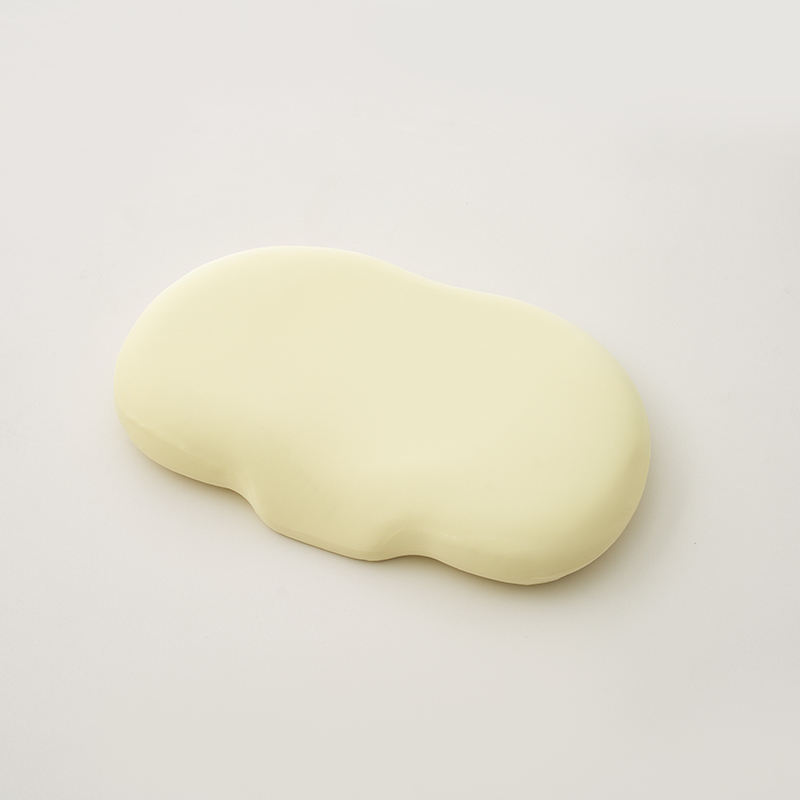
Memory foam pillows offer undeniable comfort benefits that have transformed sleep for countless individuals. While concerns about toxicity exist, understanding the materials, emissions, and environmental impact helps in making informed decisions. By prioritizing tested and certified products, ensuring good ventilation, and considering sustainable options, consumers can enjoy the benefits of memory foam without compromising safety or environmental principles. As the market continues to evolve, stay updated on the latest research and advancements to ensure your choices reflect the best available options for health and the planet.