Updatetime:2025-10-05 11:44:02 View:
In the realm of bedding and sleep accessories, memory foam pillows have become increasingly popular in recent years. With promises of improved comfort, enhanced sleep quality, and superior support, many consumers are curious about whether these pillows live up to the hype. As a consumer on a foreign trade independent website searching for comprehensive information, you are likely seeking clarity on their benefits, drawbacks, and whether they are ultimately a worthwhile investment. In this article, we will delve into various aspects of memory foam pillows to provide practical, actionable advice and valuable insights.
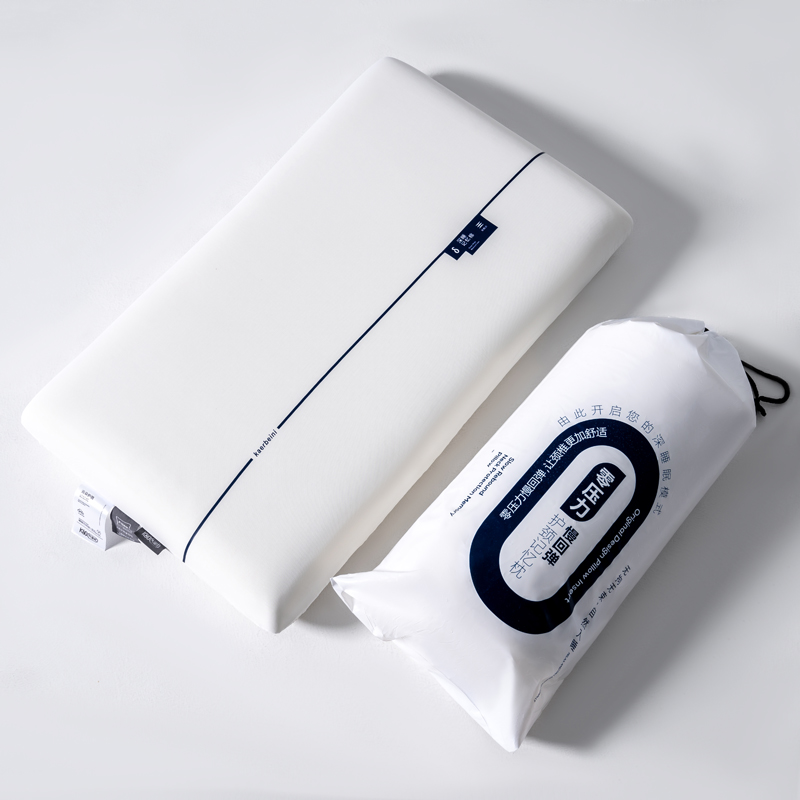
Memory foam is a synthetic material originally developed by NASA in the 1960s to improve the cushioning and crash protection for aircraft seats. It eventually found its way into consumer products, most notably bedding. Memory foam pillows are made from a viscoelastic foam that molds to the shape of your body in response to heat and pressure, evenly distributing weight and then returning to its original shape once the pressure is removed.
There are several types of memory foam pillows available, each offering unique benefits:
One of the salient features of memory foam pillows is their ability to provide consistent support and comfort. Unlike traditional pillows that lose shape over time, memory foam adapts to your sleeping position, cradling the neck and head and providing ergonomic support. This characteristic is particularly beneficial for individuals who struggle with neck or back pain, as the foam can help maintain proper spinal alignment during sleep.
Memory foam pillows excel in relieving pressure points. By conforming to the head and neck's contours, they can reduce pressure buildup, which is especially beneficial for side sleepers. This quality aids in minimizing discomfort and improving blood circulation, important factors for an uninterrupted night's sleep.
Many memory foam pillows are inherently resistant to dust mites and other common allergens, making them a suitable choice for people with allergies. Their dense structure makes it difficult for allergens to accumulate, contributing to a cleaner and healthier sleeping environment.
Compared to traditional pillows, memory foam tends to be more durable and retains its shape for a longer period. A good quality memory foam pillow can last several years without sagging or becoming lumpy, which can translate into better long-term value.
Memory foam is known for retaining heat due to its dense nature, which can make it uncomfortable for some sleepers, particularly those who are sensitive to temperature changes. However, innovations such as shredded foam and cooling gel infusions have been developed to address this issue, enhancing airflow and providing a cooler night's sleep.
When new, memory foam pillows can emit an odor known as off-gassing. This smell is caused by volatile organic compounds (VOCs) released during the manufacturing process. While not harmful, the smell can be off-putting for some. Typically, the odor dissipates within a few days of airing out the pillow.
Some individuals may find memory foam pillows to be too firm, particularly if they are accustomed to the softness of down or feather pillows. Furthermore, as the pillow molds to provide support, those who change positions frequently during sleep might find it less immediately responsive compared to lighter materials.
When deciding if a memory foam pillow is right for you, consider your specific sleep needs and preferences. Here are some scenarios where a memory foam pillow might be particularly beneficial:
Proper care and maintenance of your memory foam pillow can extend its lifespan significantly. Here are effective steps to keep your pillow in optimal condition:
Rotate Regularly: Rotate your pillow every few months to avoid uneven wear and maintain its shape.
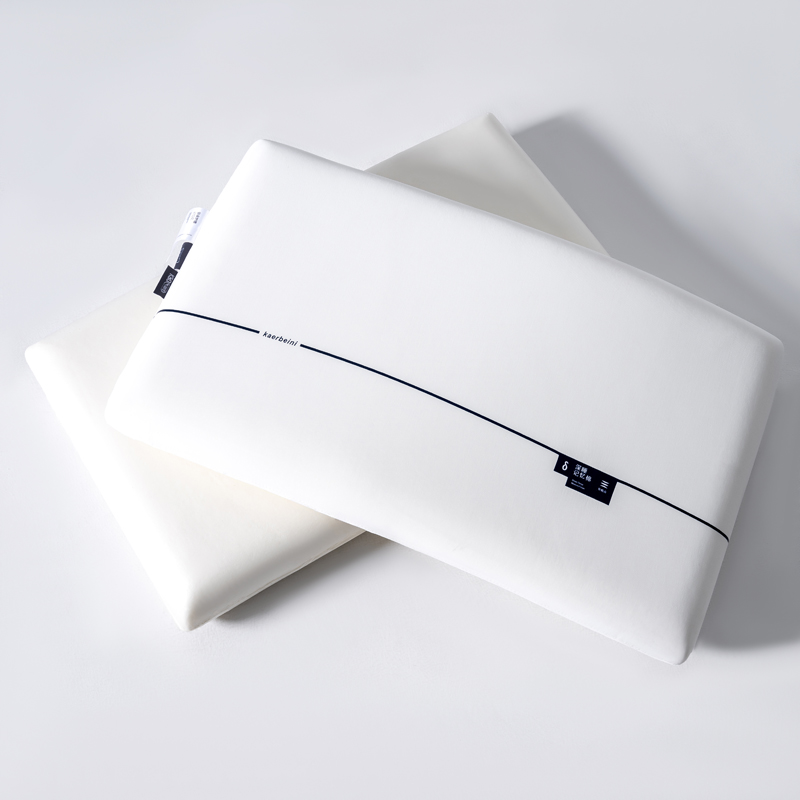
Memory foam pillows offer numerous benefits, including superior support, pressure relief, and durability, making them an excellent choice for many sleepers. Their hypoallergenic properties also add to their appeal, particularly for those with sensitivities. However, they may not be suitable for everyone due to their heat-retentive nature and initial off-gassing odor. Assessing personal sleep needs, such as pain concerns and temperature preferences, can aid in determining if a memory foam pillow is the right investment.
Given the variety of options available, choosing the correct type of memory foam pillow that aligns with your specific requirements will ensure you reap the maximum benefits these products offer. By considering the advantages alongside potential drawbacks, you can make an informed decision that enhances your sleep quality and overall well-being in the long run.