Updatetime:2025-10-08 12:21:46 View:
When it comes to achieving a good night’s sleep, choosing the right pillow is paramount. Among the array of pillow types available in the market today, microfiber pillows have garnered significant attention due to their affordability, versatility, and popularity. However, a common question arises: Are microfiber pillows healthy? In this article, we will explore the advantages and disadvantages of microfiber pillows, their impact on health, how they compare to other pillow materials, and tips for choosing the right pillow for your needs.
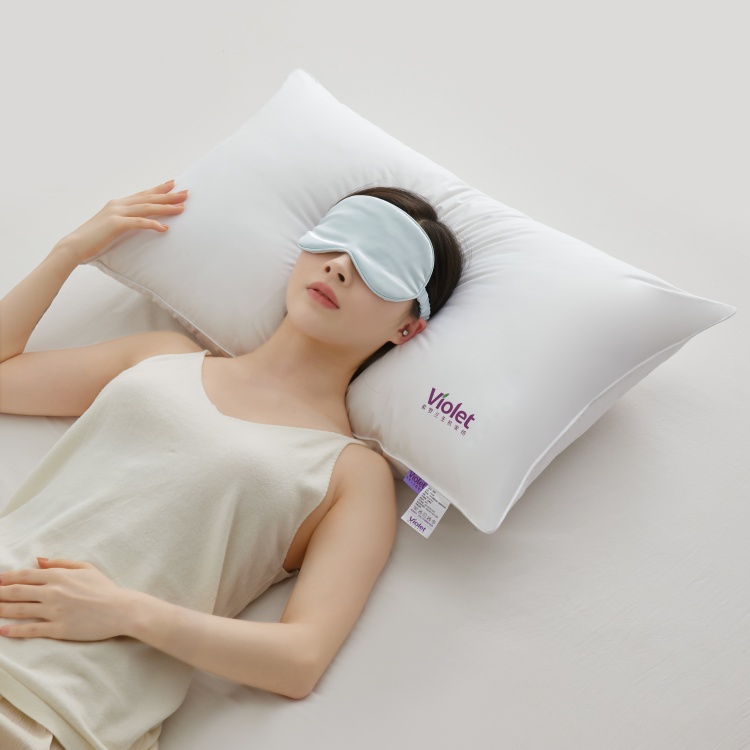
Microfiber pillows are made using synthetic fibers that are finer than a single strand of silk. These microscopic fibers are woven tightly together, creating a soft, smooth, and lightweight filling. Microfiber is commonly made from polyester or nylon and is frequently used in bedding due to its durability, easy maintenance, and affordability.
Microfiber pillows are often marketed as a budget-friendly alternative to natural fiber pillows like those made from cotton, wool, or down. Despite their synthetic nature, they offer a texture similar to natural materials and boast hypoallergenic properties, making them a popular choice for allergy sufferers.
Microfiber pillows come with several benefits that make them appealing for many individuals. Below are key advantages:
One of the main selling points of microfiber pillows is their ability to resist allergens such as dust mites, mold, and bacteria. This feature makes them an excellent choice for people who suffer from allergies or asthma. The tightly woven fibers prevent allergen particles from penetrating the pillow, providing a cleaner sleeping environment.
Microfiber pillows are designed to be exceptionally soft and provide a cozy sleeping experience. Their plush texture mimics the feel of down or feather pillows, while offering the added benefit of durability and low maintenance. For individuals who prefer a soft yet supportive pillow, microfiber options can meet those preferences effectively.
Microfiber pillows are lightweight, making them easy to handle and adjust. Unlike bulky or heavier pillow types, microfiber pillows can be molded to suit your sleeping position or preferences. Whether you sleep on your back, side, or stomach, their adaptable structure ensures a comfortable posture.
Another major benefit of microfiber pillows is the ease with which they can be cleaned. These pillows are often machine washable, and their synthetic composition allows them to dry quickly without losing their shape or texture. Proper maintenance ensures that they remain fresh, hygienic, and functional over time.
Microfiber pillows are generally more cost-effective than pillows made from natural materials. For budget-conscious consumers, they provide good value for money while still offering comfort and practicality.
While microfiber pillows have many strengths, they are not without limitations. Here are some factors to consider when evaluating whether microfiber pillows are healthy for you:
Microfiber is a synthetic material, which makes it less breathable compared to natural materials like cotton or wool. Poor airflow can trap heat and moisture, potentially causing discomfort for hot sleepers or individuals living in warmer climates. Over time, this may lead to night sweats or difficulty maintaining a cool sleeping environment.
As microfiber is created using synthetic fibers, there is a risk that the material may contain chemical additives or treatments. These chemicals could potentially emit volatile organic compounds (VOCs), particularly if the microfiber pillow is of lower quality or not manufactured according to proper standards. For individuals who prioritize eco-friendly or non-toxic options, this factor should be carefully considered.
Though microfiber pillows are durable, they tend to flatten or lose their shape faster than natural fiber counterparts. Over time, this reduction in supportiveness can impact sleep quality and may require replacement sooner than expected. Frequent replacement is not only inconvenient but may also increase long-term spending.
Due to its synthetic nature, microfiber is prone to static buildup. This property may cause minor annoyances, such as attracting dust or hair, especially in low-humidity environments. It’s worth considering this factor if cleanliness and maintenance are priorities for you.
The suitability of microfiber pillows depends on individual preferences and specific health needs. Here are some key insights to help you decide whether microfiber pillows are right for you:
Microfiber pillows are a good option for individuals prone to allergies, thanks to their hypoallergenic properties. However, it’s essential to regularly wash these pillows and use pillow protectors to ensure long-term allergen resistance.
If you are a hot sleeper, the lack of breathability in microfiber pillows might make them less suitable. You may benefit from opting for pillows with cooling technology or breathable natural materials.
If you are looking for a cost-effective option without compromising comfort, microfiber pillows are a solid choice. However, be prepared for a shorter lifespan compared to higher-end pillows.
To ensure that your pillow supports healthy sleep, follow these practical guidelines:
Your sleeping position determines the type of pillow that offers optimal neck and spine support. Side sleepers typically require firmer pillows, back sleepers benefit from medium support, and stomach sleepers may prefer softer pillows. Microfiber pillows cater to various sleeping positions, but ensure you're selecting the appropriate firmness level.
Consider the materials of your pillow in relation to your health needs, personal comfort, and environmental concerns. If you opt for microfiber, look for high-quality products with certifications that indicate safety and minimal VOC emissions.
Cleaning and maintaining pillows are essential for hygiene and long-term usability. Microfiber pillows are easy to wash and dry, but make sure you follow manufacturer instructions to avoid damaging the material.
Factor in the expected lifespan of your pillow to ensure you’re making an economical decision. If frequent flattening of microfiber pillows is a concern for you, consider investing in higher-quality products or alternatives.
If possible, purchase pillows with a trial period so you can determine their suitability before committing long-term. Many retailers offer trial periods for bedding products, allowing you to test comfort and effectiveness in your sleep routine.
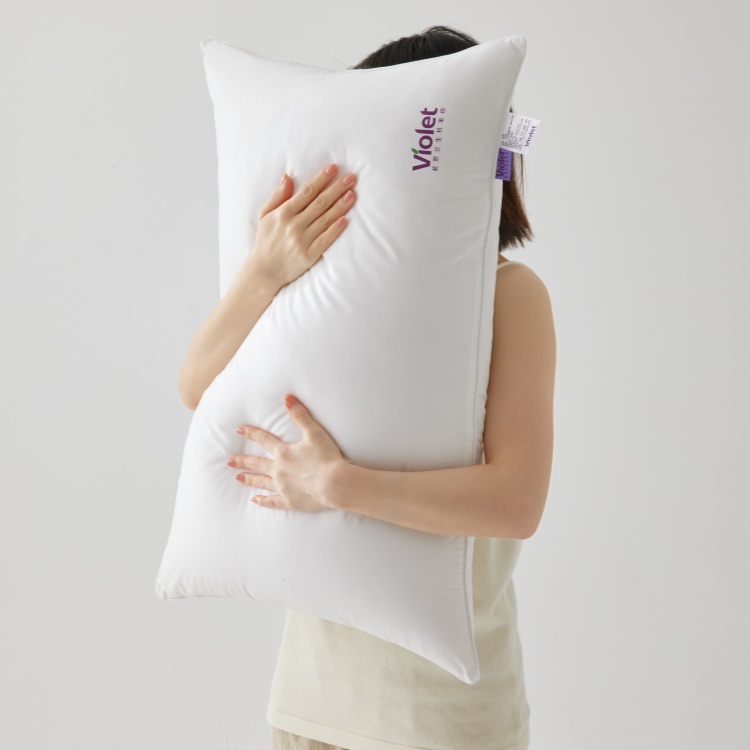
How do microfiber pillows compare to other popular materials in terms of health and comfort?
Natural fiber pillows (e.g., cotton, wool) typically offer better breathability but may lack the hypoallergenic properties of microfiber. They are also more eco-friendly but tend to be pricier.
Down and feather pillows provide luxurious comfort but are less hypoallergenic unless treated. They are also more expensive and require careful maintenance.
Memory foam pillows excel in providing orthopedic support and comfort. However, they can emit VOCs and are typically less breathable than microfiber or natural fiber options.
Microfiber pillows can be a smart choice for certain individuals, especially those who value affordability, softness, and hypoallergenic properties. However, they may not be the ideal solution for hot sleepers or those seeking eco-friendly materials. To determine whether microfiber pillows are healthy for you, consider your specific sleep needs, preferences, and lifestyle.
Ultimately, no single type of pillow works for everyone, and what is healthy or comfortable for one person may not be the same for another. By evaluating the pros and cons of microfiber pillows, you can make an informed decision that contributes to a well-rounded and refreshing sleep experience.