Updatetime:2025-10-09 12:36:52 View:
In recent years, microfiber pillows have gained popularity thanks to their affordability, lightness, and ability to retain shape. Many people have transitioned to using these modern alternatives instead of traditional feather or memory foam pillows. However, the question remains: are microfiber pillows safe? In this article, we will explore multiple dimensions of microfiber pillow safety, including health implications, environmental concerns, and practical considerations. By the end, you'll have a comprehensive understanding that can guide your pillow purchasing decision.
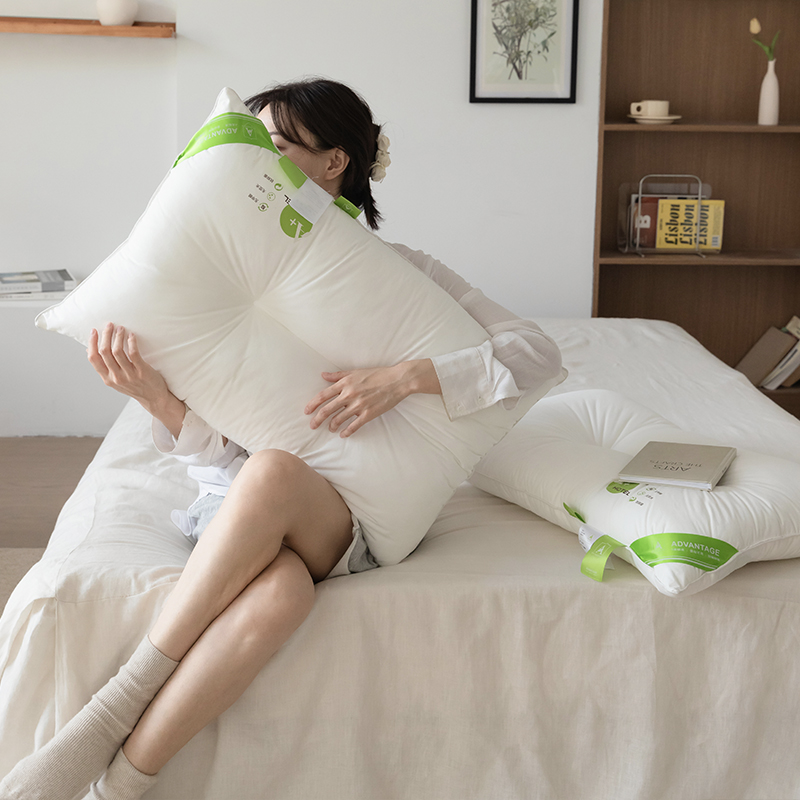
Microfiber pillows are made from extremely fine synthetic fibers, typically polyester. As their name suggests, these fibers are thinner than human hair and even finer than silk fibers. The material is known for its softness, durability, and ability to mimic the feel of high-end natural fibers without the associated cost. Microfiber pillows come in various densities and shapes, catering to different sleeping preferences and needs.
Before diving into the safety aspects, it's essential to understand why microfiber pillows are such a popular choice. Here are some of their core characteristics:
One of the most significant concerns regarding any type of pillow is its impact on health. Let's examine how microfiber pillows fare in this regard:
Microfiber pillows are generally considered safe for everyday use, but concerns arise over the chemicals used in their production. Polyester microfiber is derived from petrochemicals, and during manufacturing, certain solvents or additives may be applied. While reputable production processes ensure minimal residue, low-quality microfiber products might contain harmful substances such as formaldehyde and flame retardants. Purchasing pillows compliant with recognized safety standards can reduce exposure to these toxins.
Microfiber pillows are often marketed as hypoallergenic, and their tightly woven fibers resist allergens effectively. Unlike feather pillows that may trigger allergies in sensitive individuals, microfiber is less likely to provoke a respiratory reaction. However, if the pillow's casing is low-quality or not tightly stitched, dust and debris can accumulate over time, negating its allergen resistance. Regular washing and proper maintenance can mitigate such risks.
While microfiber pillows are soft and cozy, they may trap heat due to their dense structure. This can lead to excessive warmth, particularly for people prone to night sweating. If you tend to overheat during sleep, choosing a microfiber pillow with a breathable design or opting for one infused with cooling technology can improve your comfort significantly.
Microfiber's origin lies in synthetic materials, which tend to have higher environmental impacts compared to natural fibers. Understanding these impacts is crucial when assessing the broader safety of microfiber pillows.
Microfiber pillows, made primarily from polyester and other synthetic fibers, are non-biodegradable. After disposal, they contribute to landfill waste, where they can take hundreds of years to decompose. For environmentally conscious consumers, this aspect poses a significant drawback.
Every time microfiber is washed, tiny synthetic particles are released into wastewater, eventually ending up in the environment. According to research, these microplastics can harm aquatic ecosystems and may even enter the human food chain. While the release is minimal compared to clothing made of microfiber, it’s something worth considering, especially if sustainability is important to you.
Unlike natural materials such as cotton or feather down, microfiber pillows are challenging to recycle due to their synthetic composition. However, some manufacturers offer eco-friendly designs made from recycled polyester, which can mitigate their environmental impact.
Microfiber pillows are versatile, but understanding their practical aspects can help you decide if they meet your specific needs.
Microfiber pillows are known for their durability, as the material is resistant to wear and tear. However, like all pillows, microfiber ones may flatten or lose their shape over time. Rotating and fluffing them regularly helps maintain their structure and extends their lifespan.
One of the distinct advantages of microfiber pillows is their ease of maintenance. These pillows are machine-washable, and their quick-drying nature makes cleaning a breeze. For best results, use mild detergents and wash at a low temperature. Ensure thorough drying to avoid the growth of mold and mildew within the pillow.
Microfiber pillows are suitable for all types of sleepers, whether you sleep on your back, side, or stomach. However, denser microfiber fillers might not provide the same level of firm support that memory foam or latex does, which may be a drawback for sleepers requiring extra neck and back support.
If you decide microfiber pillows are the right choice for you, follow these considerations to ensure you pick the safest and most suitable options:
Research Environmental Impact: Choose pillows made from recycled or sustainably sourced microfiber if available.
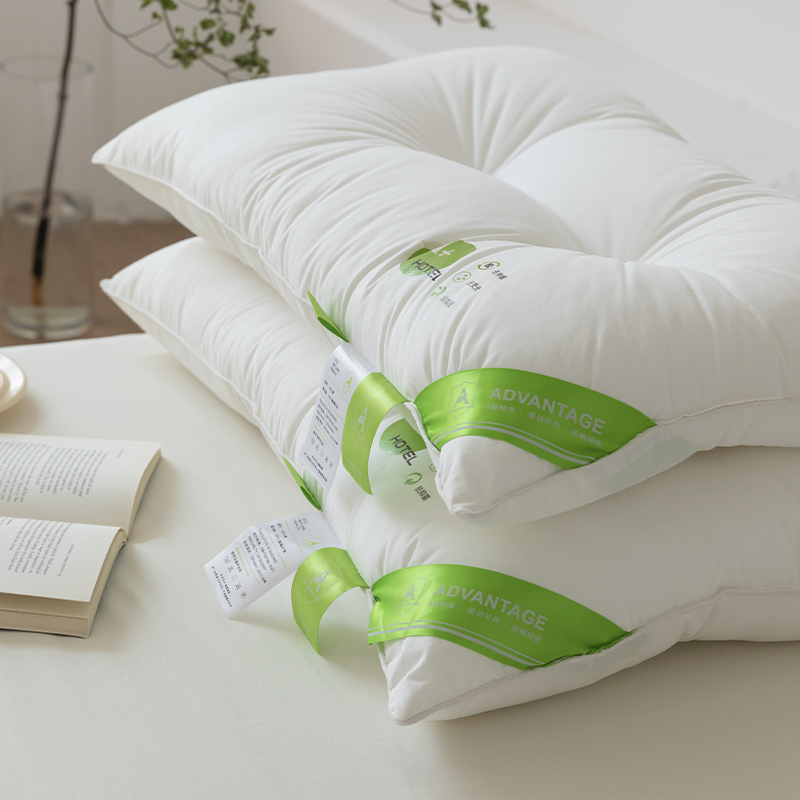
To answer the question, ""Are microfiber pillows safe?"" the answer largely depends on their quality, production practices, and intended usage. High-quality microfiber pillows are generally safe for everyday use, offering a comfortable, hypoallergenic, and affordable bedding solution. However, consumers must weigh their potential health implications, environmental impact, and breathability before making a purchase.
If you are conscious of your health and the planet, prioritize trusted brands, certifications, and sustainable solutions when selecting microfiber pillows. Proper maintenance, cleaning, and care can further enhance their safety and prolong their usability. Armed with this insight and practical advice, you can confidently make an informed choice that meets your needs while ensuring optimal safety and comfort.