Updatetime:2025-10-10 12:43:14 View:
Pillow sheets are an essential part of any bedding setup, serving both functional and aesthetic purposes. When it comes to selecting the right fabric, cotton is often a preferred choice due to its natural, breathable, and soft texture. But how can you determine if your pillow sheets are truly 100% cotton? In this article, we’ll explore everything you need to know about cotton pillow sheets, helping you make informed decisions with confidence.
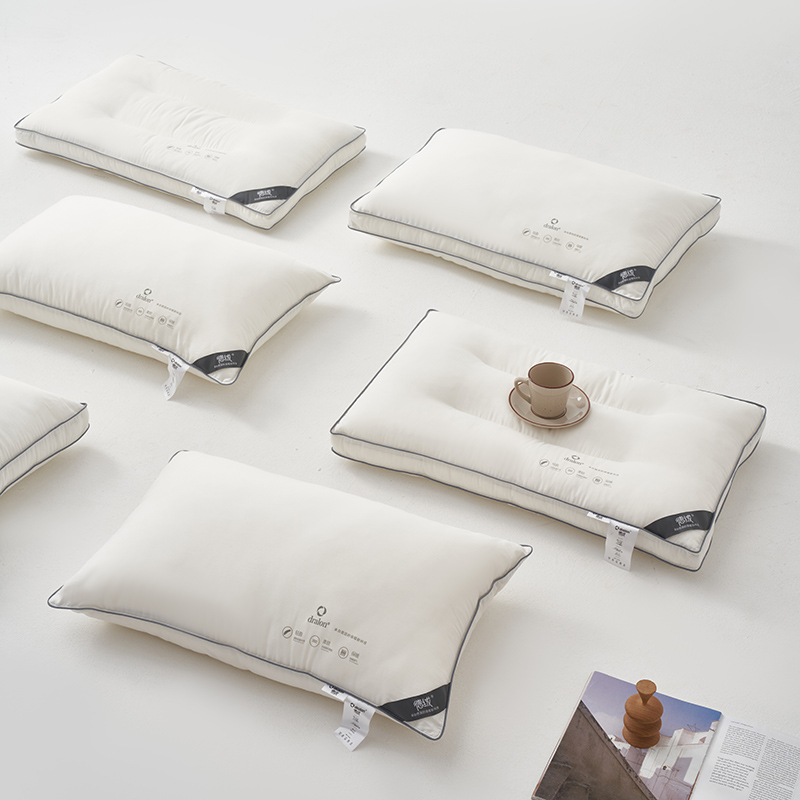
The fabric you choose for your pillow sheets greatly influences your sleep quality, skin health, and overall comfort. Factors such as breathability, texture, durability, and moisture-wicking properties vary depending on the material used. Cotton, for centuries, has been celebrated for its ability to provide unmatched comfort and functionality. However, not all cotton pillow sheets offer the same benefits, as blends or synthetic alternatives might compromise quality or performance.
Cotton pillow sheets have become synonymous with luxury and practicality. If your pillow sheets are indeed 100% cotton, you can expect to enjoy the following benefits:
Determining whether your pillow sheets are truly 100% cotton requires some investigation. Here are practical steps to identify authentic cotton sheets:
Most pillow sheets come with labels indicating the fabric composition. Look closely for terms such as ""100% cotton."" If you see words like “cotton blend” or “poly-cotton,” this means the sheets are mixed with synthetic materials, such as polyester.
Authentic cotton sheets have a soft yet sturdy feel. They should not feel slippery, overly shiny, or artificial to the touch—these are indicators of synthetic materials. Run your fingers across the surface; if the fabric feels smooth but natural, it’s likely genuine cotton.
A textile burn test can be conducted to verify fabric composition, though this should be done carefully. Take a small, inconspicuous piece of fabric and burn it. Cotton burns cleanly and smells like paper, while synthetic materials tend to melt and produce an unpleasant chemical smell. This test should be done as a last resort and with precautions.
High-quality cotton sheets are often made with specific weaving patterns such as percale or sateen. These weave styles ensure durability and softness. Percale features a tight, crisp weave, while sateen has a silky, smooth finish. If the sheets exhibit either of these weave patterns, chances are they are 100% cotton.
Certifications such as OEKO-TEX® or GOTS (Global Organic Textile Standard) indicate that the sheets meet high standards for material purity and harmlessness. If pillow sheets have this certification, they are most likely 100% natural cotton.
If you’ve ever wondered whether choosing cotton blends (e.g., 60% cotton and 40% polyester) is a viable alternative, it’s essential to understand the differences:
When in doubt, opt for pillow sheets that are clearly marked as 100% cotton to maximize comfort and durability.
Not all cotton is created equal. Various types of cotton carry unique characteristics that may influence your purchasing decision. Some popular varieties include:
Renowned for its luxurious feel and durability, Egyptian cotton features long fibers that result in a smoother and softer texture. It is one of the most coveted options for premium bedding.
Similar to Egyptian cotton, Pima cotton offers exceptional softness and sheen. It’s an excellent choice for individuals who value comfort and elegance in their bedding.
Organic cotton is grown without harmful chemicals or pesticides, making it an eco-friendly and sustainable option. People with sensitive skin often prefer organic cotton pillow sheets due to their gentle nature.
This standard variety is widely available and ensures satisfactory comfort at an accessible price point. While it may not possess the luxury of Egyptian or Pima cotton, it remains a reliable bedding option for those on a budget.
Proper care is vital to extend the lifespan and maintain the softness of 100% cotton pillow sheets. Here are some practical tips:
Always check the care label for specific cleaning instructions. Generally, cotton sheets should be washed in cold or warm water on a gentle cycle. Avoid using harsh detergents, as they can degrade the fabric over time.
Overloading the washing machine can lead to improper cleaning and unnecessary friction on the fabric. Wash pillow sheets separately or with similar fabrics.
Instead of using a dryer, consider air drying your sheets to prevent shrinking and preserve fiber integrity. If you must use a dryer, use a low or medium heat setting.
If you prefer a neat look, iron your cotton pillow sheets on low heat. Be cautious with excessive ironing, as high heat can damage the fibers.
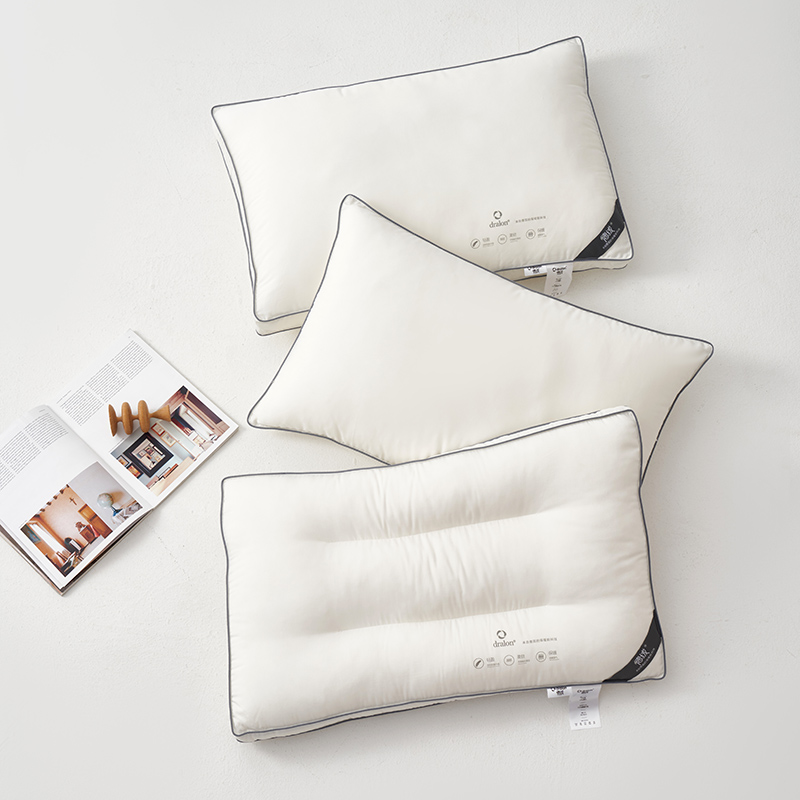
100% cotton pillow sheets are a worthwhile investment for anyone prioritizing sleep quality and comfort. Their breathability, softness, and durability make them superior to synthetic alternatives or blends. While they may be slightly more expensive, the long-term value far outweighs the initial cost.
Knowing whether your pillow sheets are 100% cotton involves a combination of label reading, touch tests, and understanding certifications. The market offers various types of cotton, each catering to specific preferences and needs. By prioritizing quality and maintaining proper care, you can enjoy the numerous benefits that cotton pillow sheets bring to your sleep environment.
Always remember: choosing the right bedding is an investment in your well-being. If you have yet to make the switch to 100% cotton pillow sheets, now may be the perfect time to upgrade your sleep experience.