Updatetime:2025-09-17 10:05:40 View:
When it comes to maintaining healthy hair, many individuals focus on shampoos, conditioners, and various styling products. While these undoubtedly play a vital role, few consider how their choice of pillowcase and pillow material can impact the health and appearance of their hair. Cotton pillows are among the most common choices, but are they actually good for your hair? This article delves into the pros and cons of cotton pillows for hair health, provides detailed insights, and offers actionable advice to enhance your hair care routine.
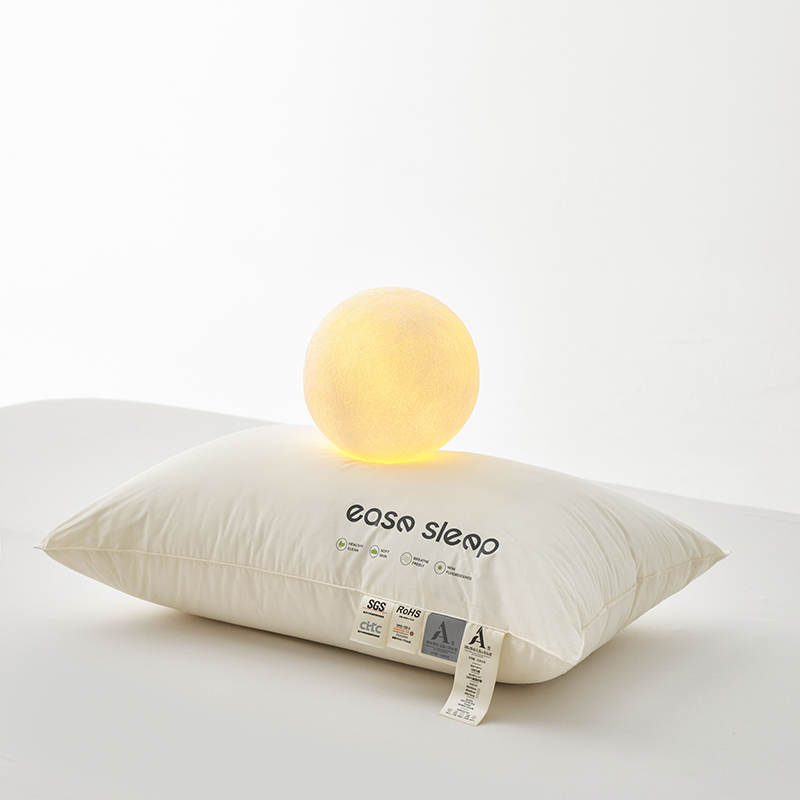
The contact between your hair and pillow during sleep is an often-overlooked factor affecting hair health. Pillow materials influence hair texture, moisture levels, breakage, and overall health. When your hair rubs against or interacts with certain fabrics during the night, this can lead to friction and other reactions that affect your hair's condition. Choosing the right pillow material is, therefore, an important step in optimizing hair care.
Cotton pillows are popular due to their comfort, affordability, and ability to regulate temperature. Let’s examine their advantages in relation to hair health:
Cotton is a highly breathable material that helps prevent excessive sweating while you sleep. Excess moisture, such as sweat, can affect your scalp's health and create an environment for bacterial growth or dandruff. Cotton pillows allow for airflow and help keep your scalp cool, reducing the chances of these problems.
Cotton is a natural, hypoallergenic material, which makes it suitable for individuals prone to allergies. Synthetic pillows or materials sometimes host allergens that can negatively affect your scalp, causing irritation or itchiness, which may lead to hair damage due to constant scratching. Choosing a high-quality cotton pillow can help mitigate these concerns.
For those concerned about sustainability, cotton pillows often align better with eco-friendly choices compared to some synthetic alternatives. Opting for organic cotton ensures you're making a choice that is safe for both your hair and the environment.
While cotton pillows have their benefits, they are not without their share of limitations when it comes to hair care:
Cotton pillowcases tend to create friction as your hair moves across the surface. This friction can lead to tangled hair, split ends, and breakage, especially for individuals with fine, curly, or textured hair types. Over time, you may notice increased hair damage due to this constant rubbing.
Cotton is known for its absorbent properties, which means it can draw moisture away from your hair. Hair lacks the essential oils and hydration it needs to stay healthy and may become frizzy or dry over time. This is a particularly concerning issue for individuals with already dry or brittle hair types.
Cotton pillows are not always suitable for certain hair textures, such as curly, wavy, or textured hair. These hair types are more prone to frizz and require materials that allow smooth contact without moisture disruption. In this context, cotton may fall short compared to alternative materials.
If you’re concerned about the drawbacks of cotton pillows but still value their comfort, there are a few alternatives and strategies worth considering:
Silk pillowcases are widely regarded as the ideal choice for maintaining healthy hair. The smooth texture reduces friction and keeps your hair free from tangles, minimizing breakage. Silk does not absorb moisture, which helps your hair retain its natural oils and hydration overnight.
Satin pillowcases are another excellent alternative. They offer many of the benefits of silk (like reduced friction and moisture retention) at a more affordable price point. Satin is particularly beneficial for textured or curly hair, preventing frizz and promoting a smoother look.
If cotton pillows are your preferred choice, you can still optimize their use to minimize damage and maintain hair health. Here are practical tips:
Wrapping your hair in a satin or silk scarf before bed creates a barrier between your hair and the cotton pillow. This reduces friction, locks in moisture, and prevents tangling. Silk and satin are smooth materials, allowing your hair to glide effortlessly while you sleep.
If you prefer the feel of cotton pillowcases, consider investing in high-thread-count options. These are softer and smoother than low-thread-count alternatives, which can reduce friction and the likelihood of hair damage.
In addition to selecting the right pillow material, you should maintain an effective nighttime hair care routine. This includes moisturizing your hair before bed with leave-in conditioners or hair oils, using proper detangling tools, and sleeping with your hair in protective styles, such as buns, braids, or loose ponytails.
Cotton pillows excel in terms of comfort, affordability, and eco-friendliness. However, hair care demands additional considerations. If switching materials isn't feasible, taking protective measures is the most practical compromise. Ultimately, your choice depends on balancing your preferences for comfort and style while maintaining the health of your hair.
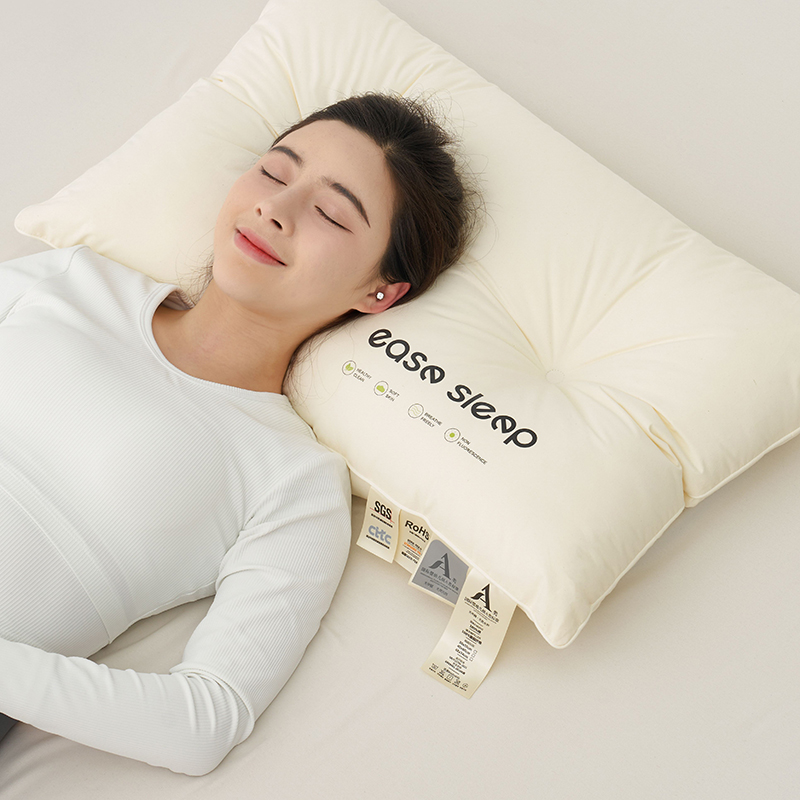
Are cotton pillows good for hair? The answer varies based on individual hair types, preferences, and how you use them. While cotton pillows offer some benefits, they may not be ideal for optimal hair health due to the friction and moisture absorption issues they present. Thankfully, alternatives such as silk or satin, combined with protective hair care strategies, can help mitigate these drawbacks.
By understanding the strengths and weaknesses of cotton pillows and taking actionable steps to preserve your hair’s integrity, you can maintain both comfort and beauty in your nightly ritual. Your pillow choice is more than just a sleep accessory—it’s a part of your comprehensive hair care regime.