Updatetime:2025-09-18 10:09:06 View:
The choice of a pillow plays a crucial role in determining the quality of your sleep and overall well-being. Among the vast array of pillow materials available today, cotton pillows have consistently been a popular choice due to their natural composition, durability, and versatility. But are cotton pillows truly good for everyone? If you’re considering them for your home or wholesale business in the export market, it’s vital to understand their advantages, disadvantages, and practical applications.
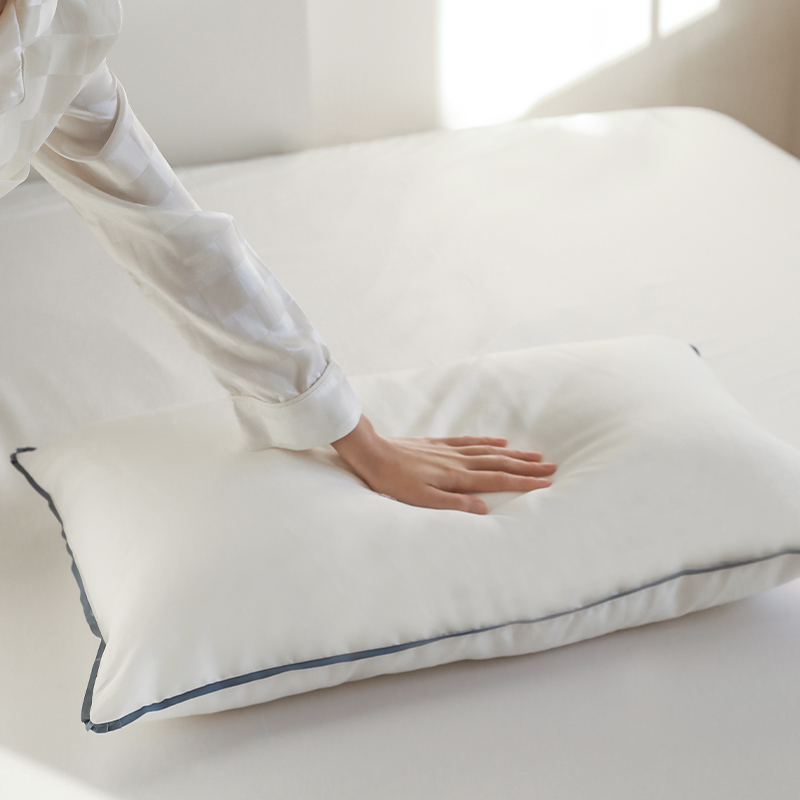
Cotton pillows are made with natural fibers derived from cotton plants. Depending on the manufacturing process, cotton can be used as the outer cover or the filling itself. Unlike synthetic materials, cotton is biodegradable and environmentally friendly, which is a significant advantage for those seeking sustainable options.
Several factors determine the quality of cotton used in pillows, including thread count, fiber length, and weaving style. Higher thread counts and longer fibers typically result in softer and more durable pillows, which enhance comfort and lifespan.
Cotton is inherently breathable, providing excellent airflow compared to synthetic options. This property is particularly advantageous for individuals who experience night sweats or live in regions with warmer climates. Cotton helps regulate temperature by wicking away moisture, ensuring that you stay cool and dry throughout the night.
One of the standout advantages of cotton pillows is their hypoallergenic nature. Since cotton is a natural fiber, it is less likely to trigger allergic reactions, making it ideal for those with sensitive skin or respiratory issues. Additionally, cotton resists dust mites better than synthetic fabric, further reducing allergens.
For eco-conscious buyers, cotton pillows are an excellent choice. Cotton is a renewable resource, and many manufacturers emphasize sustainable farming practices and biodegradable packaging. Investing in cotton pillows aligns with an ethical commitment to reducing environmental impact.
With proper care, cotton pillows can last for years. Cotton fibers are strong and resilient, allowing them to withstand repeated washing and regular use without losing their shape or texture. Durability makes them especially appealing to households and businesses looking for long-term value.
The softness and plush texture of cotton contribute significantly to a comfortable sleeping experience. Unlike synthetic materials, which can feel rough or abrasive, cotton pillows provide a smooth and gentle surface, enhancing relaxation.
While cotton pillows offer several benefits, they may not be the perfect choice for everyone. Exploring their drawbacks provides a balanced perspective.
Cotton pillows may not deliver the same level of support as memory foam or latex pillows. People with neck and spinal issues may require firmer or ergonomically designed options for better alignment rather than relying solely on cotton. Complementing a cotton pillow with orthopedic solutions may be necessary for those needing extra support.
Unlike synthetic fillings or memory foam, pure cotton can compress and flatten with extended use. This may require frequent fluffing or replacing the pillow to maintain its loft and comfort.
While cotton efficiently manages moisture, excessive humidity can cause cotton fibers to absorb water and become heavier or lose shape. Individuals living in humid areas need to ensure proper care and drying to prevent dampness and mold buildup.
If you’re considering a cotton pillow for personal use, focus on the specific needs that align with its benefits. For instance, are you someone who values breathability and hypoallergenic properties? Cotton pillows deliver optimal comfort for everyday use without compromising health or environmental sustainability.
Cotton pillows are an appealing product in the foreign trade market due to their widespread popularity and versatility. By offering different variations, such as organic cotton or high-thread-count pillows, businesses can target niche markets, including luxury bedding or eco-friendly households.
Ensure robust quality control when sourcing cotton pillows to meet international standards and customer expectations. Additionally, emphasize the advantages like sustainability, natural composition, and hypoallergenic characteristics to attract environmentally conscious buyers. Provide certifications that highlight organic farming or eco-friendly practices, as these significantly bolster trust in international transactions.
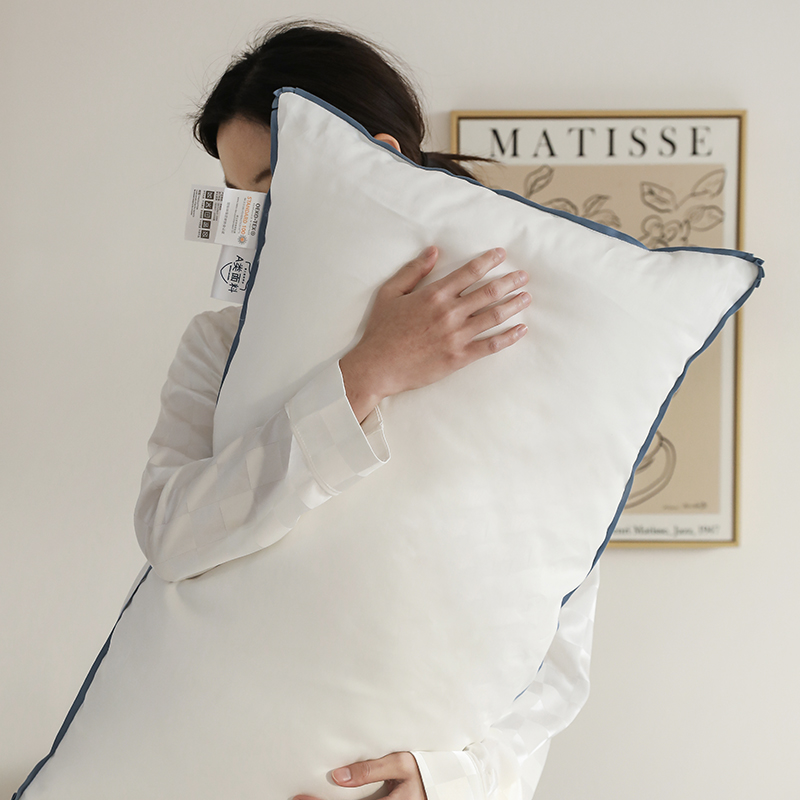
The cotton pillow market offers a wide array of options, making it essential to pay attention to specific quality indicators. When selecting, consider the following:
Opt for pillows with a higher thread count as they tend to be smoother and more durable. Typically, thread counts above 200 provide superior quality for the outer covers.
Choose pillows with organic certifications to ensure they meet stringent environmental and health standards. These certifications validate that no harmful chemicals or pesticides were used during production.
Evaluate whether the filling is 100% cotton or mixed with other materials. Pure cotton fillings are ideal for eco-conscious products, while blended fillings may offer added benefits like enhanced support.
Buy pillows that come with clear care guidelines to ensure longevity. This includes information on washing, drying, and maintenance. Proper care preserves the softness and extends the life of your cotton pillows.
To maximize the lifespan and efficacy of cotton pillows, follow these care tips:
Fluff your pillows regularly to maintain their shape and prevent flattening. This simple habit enhances comfort and ensures even distribution of the filling.
Wash cotton pillows carefully by referring to the manufacturer’s label. Typically, machine-washable cotton pillows should be washed in cold water on a gentle cycle. Avoid bleach, as it can weaken cotton fibers.
Allow pillows to air dry under sunlight, whenever possible, to eliminate any moisture and odors. If using a dryer, select a low-heat setting and include dryer balls to prevent clumping of the filling.
Store your cotton pillows in a cool, dry space when not in use. Avoid storing them in plastic bags, as these can trap moisture and promote mold growth. Opt for breathable fabric covers instead.
Are cotton pillows good? The answer largely depends on your specific needs and preferences. Cotton pillows excel in terms of breathability, sustainability, and hypoallergenic benefits, making them suitable for a wide audience. However, they may not offer the level of support required by those with specialized spine or neck concerns.
For individuals, families, and businesses, cotton pillows remain a highly versatile choice due to their comfort, durability, and eco-friendliness. By paying close attention to quality indicators and proper care, a cotton pillow can be a beneficial addition to your household or a profitable product in the export trade market.
Ultimately, cotton pillows provide a reliable and sustainable solution for both personal comfort and ethical commerce. As you make your decision, ensure balance between your requirements and the qualities you value most in a pillow.