Updatetime:2025-09-16 09:58:19 View:
When it comes to bedding essentials, pillowcases are often overlooked in favor of mattresses or bed sheets. However, selecting the right pillowcase fabric is vital not only for comfort but also for your overall well-being. Among the myriad fabrics available, cotton pillowcases remain a popular choice—and for good reason. But are cotton pillowcases truly good? In this article, we’ll explore their benefits, practical applications, and how they compare to other materials on the market.
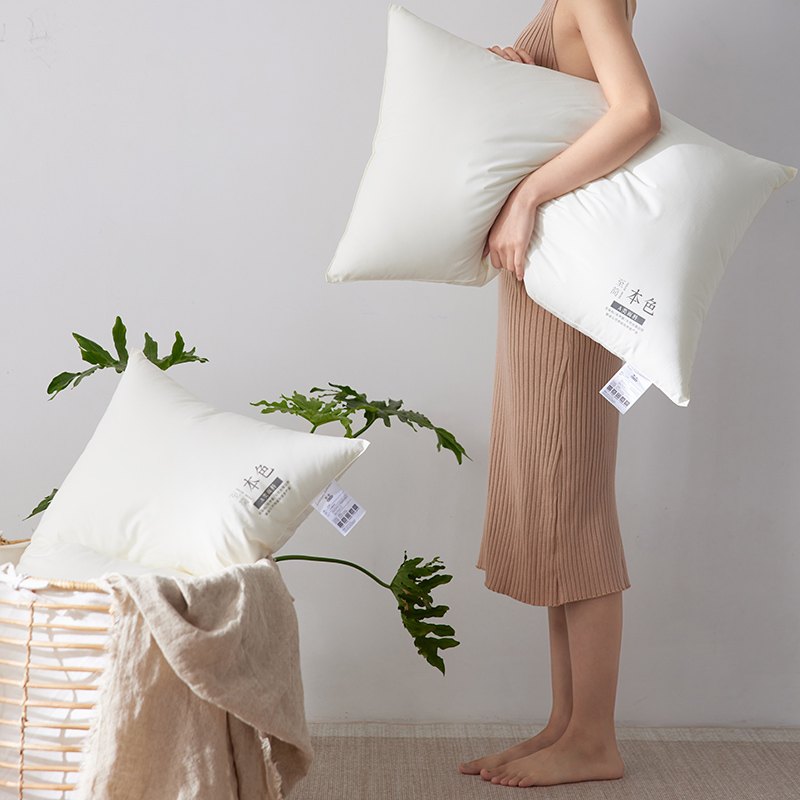
Cotton pillowcases dominate the bedding market due to their favorable qualities. Cotton is a natural fiber derived from the cotton plant, making it a sustainable and environmentally friendly option. Here are some key factors why cotton pillowcases are preferred:
One of the most appreciated qualities of cotton pillowcases is their exceptional softness. Cotton fibers have a smooth, natural texture, which makes them gentle on your skin. This is especially beneficial if you have sensitive skin or conditions such as eczema. Many people find cotton pillowcases comfortable for daily use, delivering a luxurious feel without breaking the bank.
Cotton is inherently a breathable material. Unlike synthetic fabrics, it allows air circulation, which prevents overheating and promotes a cool sleep environment. This breathability makes cotton pillowcases ideal for hot sleepers and those living in warmer climates.
Cotton is highly absorbent, effectively wicking away moisture, such as sweat, during sleep. This ability reduces the likelihood of waking up in discomfort due to dampness. It also keeps your pillow dry, thereby maintaining its hygiene and longevity.
Cotton pillowcases are known for their strength and resilience. When cared for properly, they can withstand frequent washing and daily wear for years. This durability makes cotton an excellent investment compared to cheaper, less robust fabrics.
Cotton pillowcases come in various weaves, quality grades, and thread counts. From lightweight percale to silky sateen, there’s a cotton pillowcase for every preference. Cotton can also be dyed in countless colors or patterns to suit specific aesthetics, making it versatile for home decor.
For individuals prone to allergies, cotton pillowcases offer a safe choice. Cotton is naturally hypoallergenic, meaning it doesn’t irritate the skin or trigger respiratory allergies as some synthetic materials might. For those concerned about dust mites or allergens, opting for organic cotton without harmful chemicals further enhances comfort.
With the increasing emphasis on eco-friendly choices, cotton has earned accolades for being biodegradable and renewable. Choosing organic or fair-trade cotton pillowcases further ensures that you’re supporting environmentally and socially responsible practices.
Before choosing cotton pillowcases, it’s essential to know how they stack up against alternatives like silk, polyester, or bamboo. Let’s evaluate them:
Silk pillowcases are highly regarded for their smooth texture and skin-friendly properties. They reduce friction more effectively than cotton, which can lower tangles and frizz in your hair. However, silk pillowcases are significantly more expensive and require delicate care, making cotton pillowcases a more practical option for everyday use.
Polyester pillowcases are cost-effective and widely available. However, they often lack breathability and can trap heat, causing discomfort during sleep. Cotton pillowcases, on the other hand, offer superior airflow and don’t retain heat, making them a better choice for most users.
Bamboo pillowcases are another excellent alternative, as they are soft, sustainable, and hypoallergenic, much like cotton. However, bamboo fabrics are typically more expensive and may require special care. Cotton offers the benefit of combining affordability, ease of maintenance, and similar eco-friendly qualities.
Not all cotton pillowcases are created equal, so understanding the different types can help you make an informed decision. Factors to consider include:
Thread count refers to the number of threads woven into a square inch of fabric. While higher thread counts often indicate smoother and more durable pillowcases, they aren’t the sole determinant of quality. For cotton pillowcases, a thread count between 200 and 400 offers an excellent balance between comfort and affordability.
Cotton can be woven in various styles, with the most common being percale, sateen, and twill. Percale has a crisp texture ideal for warm climates, while sateen offers a silk-like finish suitable for colder months. Twill weaves are known for their durability and distinctive diagonal texture, making them great for everyday use.
If sustainability is a priority, look for pillowcases made from organic cotton. Organic options are grown without pesticides or harmful chemicals, making them safer for your health and the environment.
Ensure that your chosen pillowcase fits snugly around your pillow. A well-fitted pillowcase enhances aesthetics and comfort while preventing loose fabric from bunching during sleep.
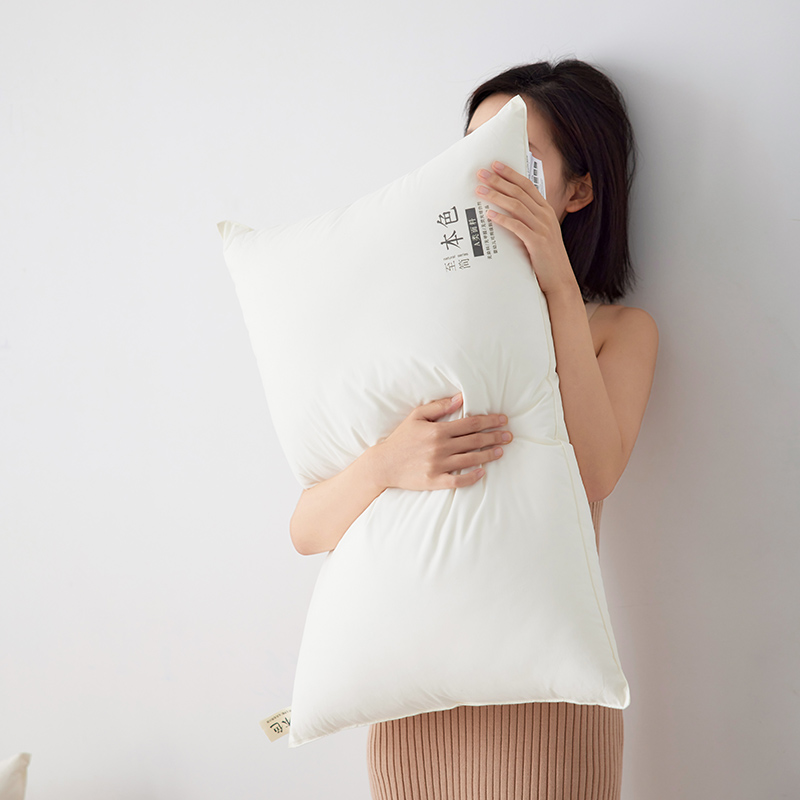
Proper care can extend the lifespan of your cotton pillowcases and keep them looking fresh. To maintain their quality, follow these tips:
Wash your cotton pillowcases regularly with mild detergent to remove oils, sweat, and allergens. Use warm or cold water to prevent shrinkage and fading, and add fabric softener for extra softness.
Avoid high heat when drying cotton pillowcases, as it can weaken fibers over time. Air drying or using a low heat setting in the dryer is recommended for best results.
If your cotton pillowcases wrinkle, lightly iron them on a medium setting. Always check the care label for specific ironing instructions to avoid damage.
Store your pillowcases in a cool, dry place to prevent moisture buildup or discoloration. If possible, fold them neatly to avoid creasing.
To ensure you get the most out of your cotton pillowcases, keep these practical tips in mind:
Cotton pillowcases are undoubtedly a fantastic choice for most individuals, offering unparalleled comfort, breathability, and durability. Their hypoallergenic nature makes them suitable for sensitive skin, while the wide variety of weaves and designs caters to diverse preferences. Cotton’s environmental benefits and affordability make them an approachable option for anyone seeking a better night’s sleep.
Whether you’re upgrading your bedding or looking for a healthier, eco-friendly option, cotton pillowcases provide a practical and stylish solution. By understanding their characteristics, comparing them to other materials, and following proper maintenance guidelines, you can maximize their benefits for years to come.