Updatetime:2026-07-07 09:50:50 View:
Throw pillows, often overlooked as mere decorative elements, play an essential role in enhancing the aesthetic appeal and comfort of homes across the globe. From vibrant colors and intricate designs to various shapes and sizes, throw pillows have become a ubiquitous staple in interior design. Beyond their visual charm, these versatile accessories hold historical significance, practical applications, and are pivotal in international trade. In this article, we delve into the multifaceted dimensions of throw pillows, providing valuable insights to enthusiasts and professionals alike.
Throw pillows have a rich history that can be traced back to ancient civilizations. Cultures such as the Egyptians, Greeks, and Chinese utilized pillows for comfort, prestige, and functionality. In Egypt, pillows were initially carved from wood and adorned with intricate designs, symbolizing power and luxury. Ancient Greeks favored pillows made from fabric stuffed with feathers or straw, reflecting their penchant for comfort and leisure. The Chinese, meanwhile, crafted pillows using different materials, including porcelain, to demonstrate wealth and craftsmanship.
Throughout the Middle Ages, pillows were deemed luxurious items, reserved for the nobility and wealthy class. It wasn't until the Industrial Revolution in the 19th century that pillows became more accessible to the general populace, leading to their widespread use in modern households. Today, throw pillows embody a fusion of historical influences, serving as both decorative accents and functional cushions.
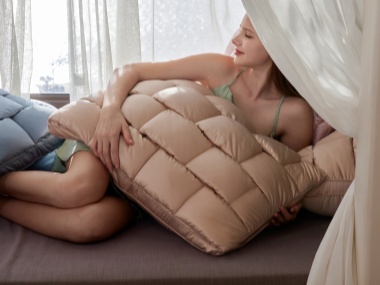
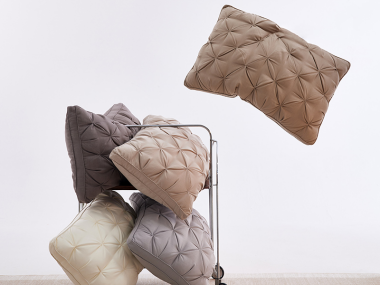
Throw pillows are more than mere embellishments; they are powerful tools in transforming spaces. By adding color, texture, and dimension, they lend depth to any room, from cozy living areas to minimalist bedrooms. Designers frequently employ throw pillows to introduce new color schemes or to complement existing decor, aligning them with the overall theme and mood of the environment.
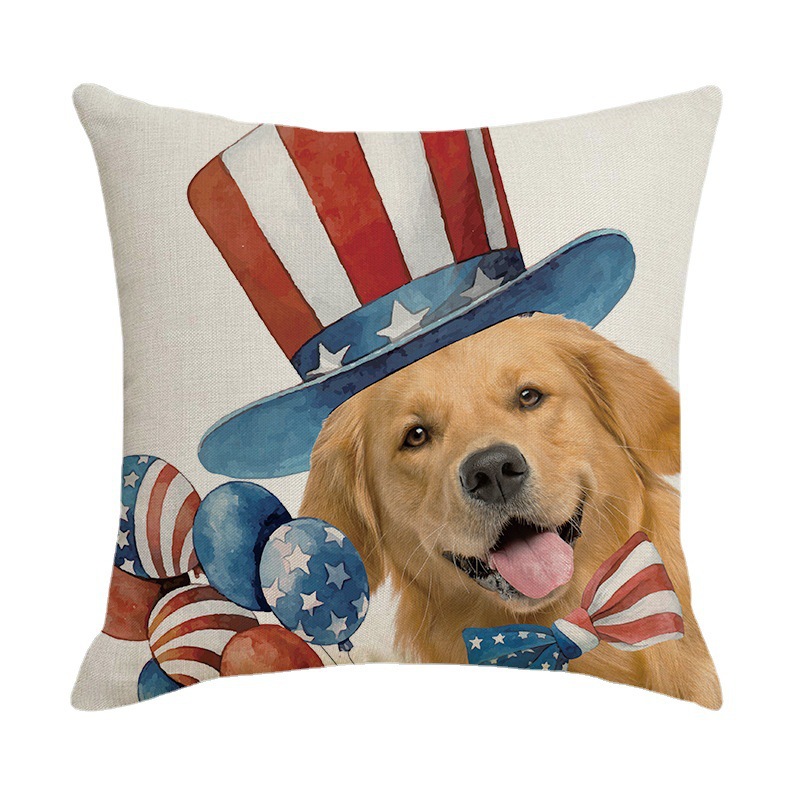
The use of throw pillows extends beyond aesthetics; they offer a form of personal expression. Individuals can showcase their unique tastes, cultures, and creativity through the selection of patterns, fabrics, and designs. Whether opting for traditional embroidery, contemporary geometric prints, or handcrafted artisanal pieces, throw pillows allow for a personalized touch in every space.
Beyond decorative roles, throw pillows serve several functional purposes. Here are some practical benefits:
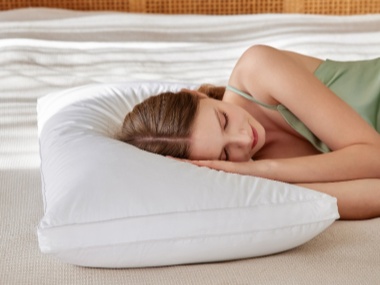
Throw pillows can enhance comfort by providing additional support for the back, neck, and head when seated or lounging. They act as ergonomic aids, making sofas, chairs, and beds more inviting and conducive to relaxation. For people with specific needs, custom-fill options like memory foam or hypoallergenic stuffing can further enhance comfort.
Throw pillows can effectively help define spaces within open-concept rooms. By strategically placing pillows of varying sizes and textures, one can differentiate between living and dining areas, creating visual boundaries without the need for physical partitions. Furthermore, throw pillows are highly versatile and can easily be swapped out to refresh a room's look, reflecting a change in season or evolving personal styles.
The materials used in throw pillows can impact a room's acoustics, dampening noise and enhancing intimacy and warmth. In colder climates, pillows with thick fabrics like wool or velvet can provide additional insulation, contributing to a room's coziness.
The trade of throw pillows holds substantial economic significance, influencing local economies and international markets. As consumer demand for unique designs grows, import-export activities have expanded to meet various tastes and styles. Key factors influencing global trade include:
The textile industry plays a pivotal role in the production of throw pillows. Countries with rich textile traditions supply an abundant diversity of fabrics, including cotton, silk, linen, and synthetic blends. Manufacturing often occurs in regions with specialized skills, where artisans can incorporate local techniques into pillow designs.
Consumer preferences dictate the types of throw pillows that are in demand, with trends continually evolving. The rise of sustainable and ethically sourced products has seen an increase in eco-friendly pillows made from recycled materials or organic fabrics. Manufacturers and suppliers must stay abreast of these trends to remain competitive in international markets.
Efficient logistics and distribution are crucial for sustaining throw pillow trade. Global supply chains must navigate challenges like tariff regulations, shipping costs, and seasonal demand fluctuations. With e-commerce platforms proliferating, the ease of online shopping has expanded the reach of throw pillow varieties from artisans and producers worldwide.
Investing in throw pillows involves considering several factors to ensure durability, comfort, and aesthetic appeal. Here are some practical tips for both purchasing and maintaining throw pillows:
When selecting throw pillows, consider the size relative to the furniture. Oversize pillows can overwhelm small sofas, while too-small pillows might not provide ample support or aesthetic balance. Additionally, choose fabrics that align with lifestyle needs; families with children or pets might prefer durable, easy-to-clean materials such as microfiber or outdoor fabric blends.
While it is tempting to select pillows solely based on aesthetics, functionality should not be overlooked. Consider factors such as the pillow's filling, which will affect its comfort and durability. Decorative pillows may prioritize shape and form, whereas lounging pillows should prioritize comfort and support.
Maintaining throw pillows is essential for prolonging their lifespan and keeping them looking fresh. Regularly clean pillow covers according to fabric care instructions, and periodically fluff or replace the filling to maintain shape and comfort. Protect decorative pillows with removable covers for easy washing and use pillow protectors to shield against spills and stains.
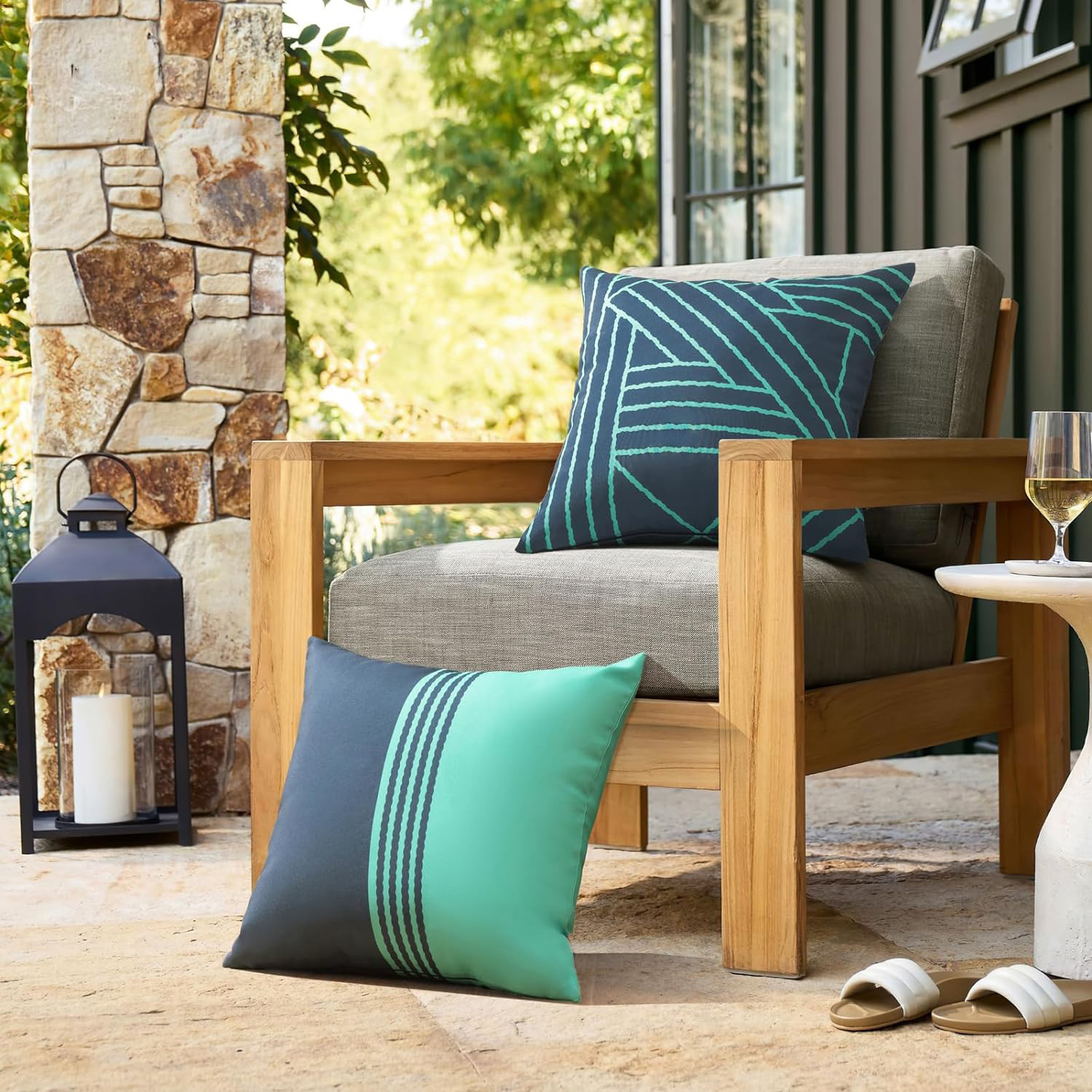
Throw pillows, with their intrinsic blend of form, function, and cultural significance, are invaluable assets in both interior design and global trade. They embody comfort, personal expression, and economic vitality, serving diverse purposes for different contexts and tastes. As we continue to innovate and adapt to changing consumer demands, throw pillows remain timeless accessories that unite aesthetics and practicality in enriching living spaces worldwide.